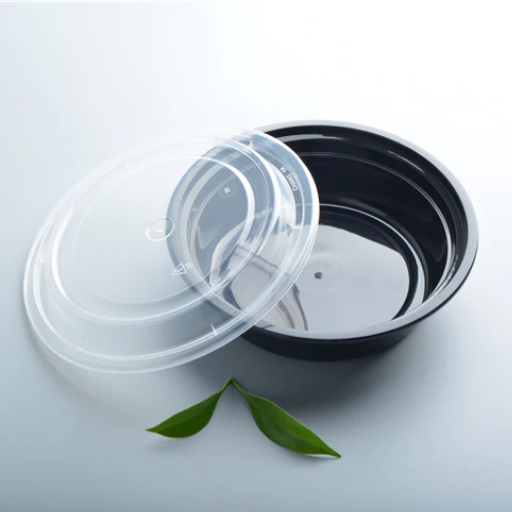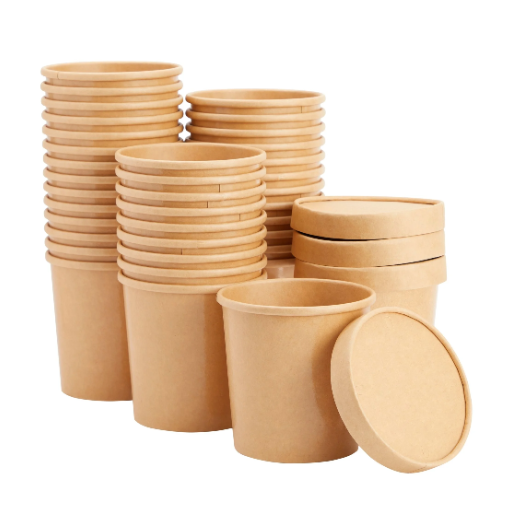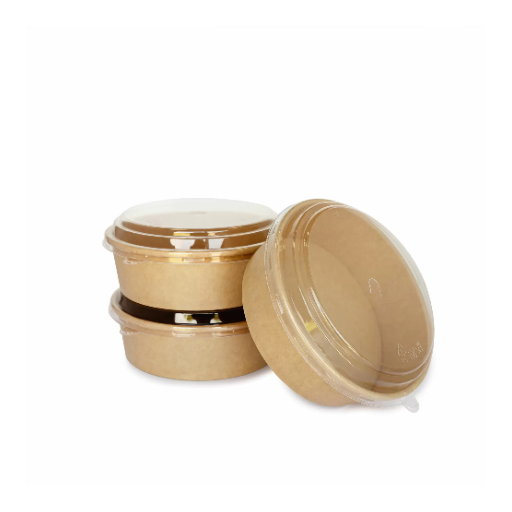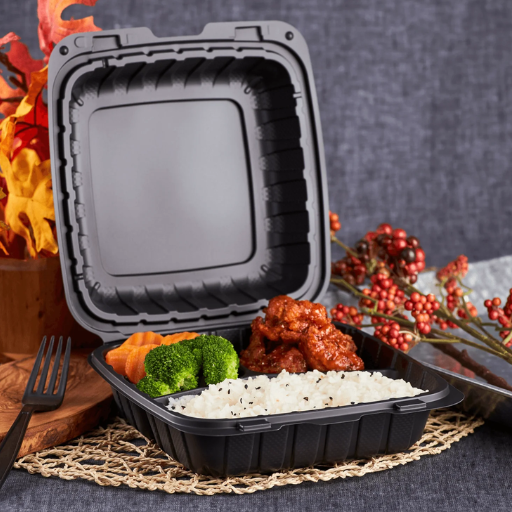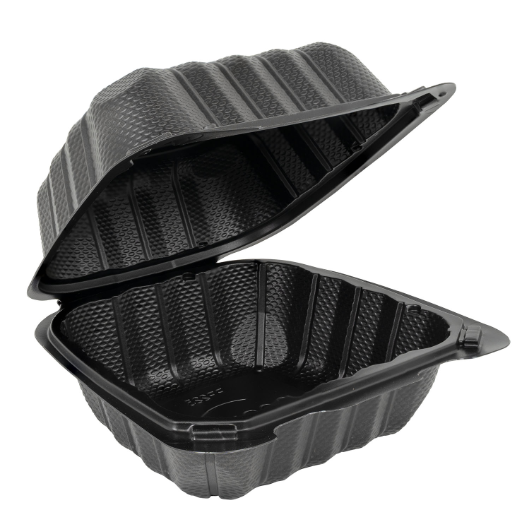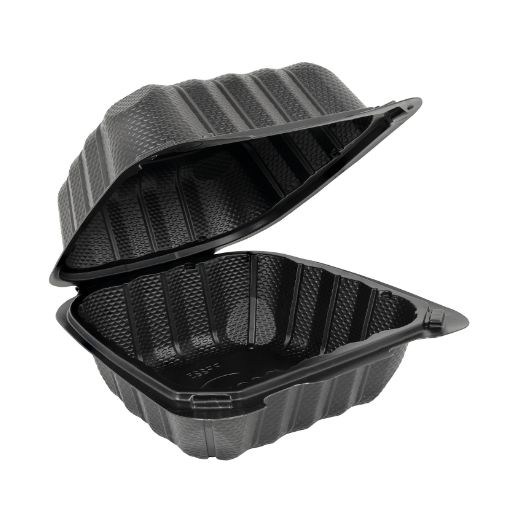
Paper cups are designed to be inexpensive and convenient single-serve containers for beverages such as coffee, tea, or water. These cups are examined in scenarios where reusable cups may be impractical, such as at significant events, in cafés, or in offices. Small and light always seemed reasonable for the fast life: paper cups didn’t fit reusing.
However, there does need to be an environmental impact debate going on about paper cups. While paper cups can be composted or recycled, some of them have a plastic coating, making recycling difficult. The resource machinery goes into production work, utilizing wood pulp, water, and other materials, which also incurs an additional environmental footprint. One needs to have this background so that alternatives can be considered, such as biodegradable paper cups or reusable options, at least where possible.
What Are Paper Cups?
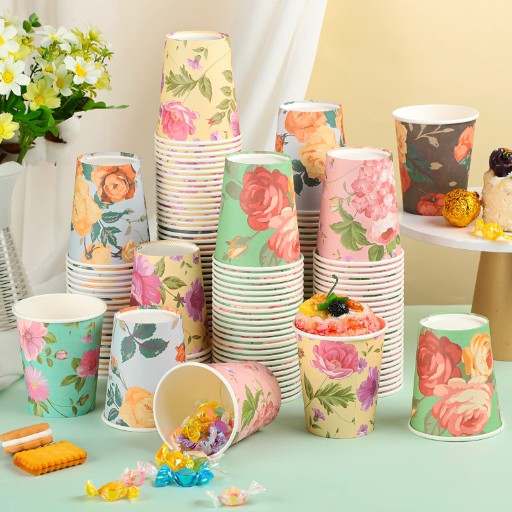
Definition: A cup is a utensil used for holding liquids, typically serving drinks. A paper cup is simply a cup made of paper. Mostly, paper cups are lined inside with thin layers of plastic; sometimes, they are coated with wax. This makes sure that the liquid inside does not seep out. They are convenient to carry along, whether for coffee, tea, or another party drink, and thus find their applications in cafés, offices, and event venues. Narrowing down characteristics such as light and disposable makes paper cups such an attractive choice. From the ecological standpoint, however, an issue arises.
Definition and Materials Used
Paper cups are manufactured from paperboard, which is a thick and rigid type of paper. A thin polyethylene coating or a bioplastic, such as a PLA coating, is applied when the cups are intended for holding liquids. The coating will prevent the cups from leaking while maintaining their integrity in contact with hot or chilled liquids. Wax coatings are also an alternative coating option for some paper cups. The manufacture of paper cups is a multi-stage process that involves pulping, shaping, and coating materials into lightweight and functional products, despite the apparent simplicity of the paper cup’s design. The forefront of new developments is the use of more sustainable and biodegradable materials to reduce the environmental impact of single-use paper cups.
Design and Functionality
From their conception and design to their construction and function, paper cups evolve in response to the ever-changing tastes of consumers, while also incorporating environmental consciousness. Thus comes the famous query-“How do paper cups balance functionality with sustainability?” In their modern form, paper cups should be able to safely hold liquids without leaking and be ecologically friendly at the same time. It now uses, for plastic linings, alternatives that are more plant-based, as well as recyclable or compostable materials. There has been a recent push for water-based barriers instead of conventional polyethylene coatings, allowing paper cups to become recyclable. These are the practical and environmental advancements.
Types of Paper Cups
Single-wall, double-wall, ripple-wall, wax-coated, and biodegradable cups.
| Key Point | Details |
|---|---|
| Single-Wall | Basic, lightweight |
| Double-Wall | Insulated, durable |
| Ripple-Wall | Heat-resistant grip |
| Wax-Coated | Leak-proof, sturdy |
| Biodegradable | Eco-friendly option |
Primary Purpose of Paper Cups
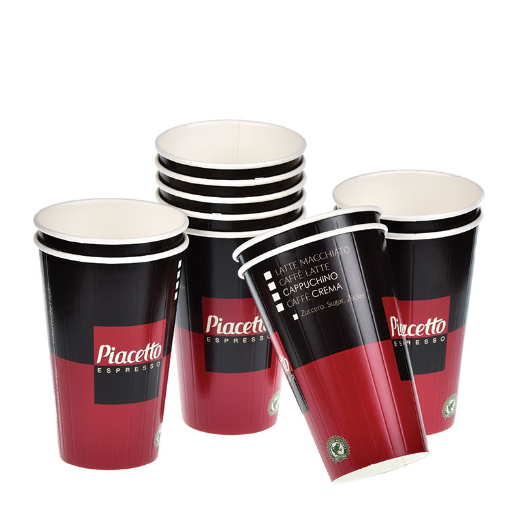
The paper cups were primarily designed to provide a convenient, disposable medium for serving beverages. These could accommodate the serving of both hot and cold drinks and were considered an easy solution for on-the-go consumption, which avoids the need for cleaning or refilling. In areas where hygiene, practicality, and single-use convenience are top priorities, such as coffee shops, restaurants, and events, paper cups would find great favor.
Convenience and Disposable Nature
The convenience and disposable nature of paper cups make them an ideal classic choice for modern lifestyles. New data suggests that information searches related to “disposable paper cups” and “single-use convenience” have been on a growing trajectory lately. Consumers appreciate the practical benefits of paper cups, particularly in fast-moving situations where time and hygiene take precedence over everything else. Another factor of attraction is that the cups are lightweight and recyclable; hence, they prevent a set of cumbersome steps towards just serving a cup of drink on the go.
Hygiene Benefits of Single-Use
Depending on the environmental setting, disposable items such as paper cups might be preferred due to their overriding hygiene considerations. Here are some reasons to justify the preference:
Single-use cups prevent washing and reuse. In busier environments, such as cafes and offices, they minimize the opportunity for cross-contamination among users.
Disposable cups are widely used in hospitals and clinics, ensuring that germs and bacteria do not spread among patients and healthcare workers.
With no cleaning or sterilization required, single-use cups reduce the potential risk of improper washing and detergent residue during sanitization.
Many disposable paper cups are designed for ease of handling and use, significantly reducing direct contact and preserving sanitation.
In the supreme beauty of nature, disposable products are preferred by the food-related industries to fulfill stringent hygiene regulations and standards that must be met for customer safety.
Portability and On-the-Go Consumption
Disposable paper cups offer Consumers with a fast-paced life an unmatched convenience. Lightweight to carry, these cups are excellent for travelers to sip their drinks or entertain themselves while on the road. Their good portability means that consumers can easily carry a drink without having to contend with bulky alternatives or reusable ones, which would require cleaning or further maintenance. Recent search trends highlight the fact that people increasingly prefer their drinks-with-them, pointing to the growing importance of practicality and ease in day-to-day life. This modern-day demand is for products that align with the fast-paced mobile lifestyle that contemporary society has adopted.
Environmental Impact
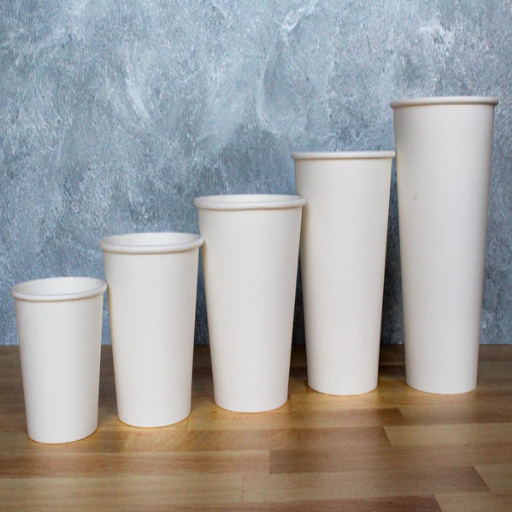
This very phrase implies that disposable beverage containers do pose inevitable environmental consequences. These boxes are, after all, significant sources of pollution, as most are improperly recycled or discarded in landfills or rivers and seas. From there on, cases of soil dust and water will create disturbances to wildlife and biodiversity. Moreover, the production of these containers sometimes utilizes non-renewable resources, resulting in the release of greenhouse gases and, consequently, contributing to climate change. Promoting recycling, using biodegradable materials, and encouraging alternatives could help alleviate these issues.
Renewable Materials in Paper Cups
Paper cups of the renewable variety are being increasingly advertised as a sustainable alternative to the traditional ones. At present, mostly second-generation wood fibers are employed in the making of traditional paper cups, the wood harvest being regarded as renewable if properly managed. Some manufacturers, however, recommend plant-based liners, such as polylactic acid (PLA), which are derived from renewable feedstocks like corn or sugarcane. These innovations would offer an alternative to fossil-based plastics, providing a lower carbon footprint for disposable products. Nevertheless, whether these materials are compostable/recyclable is a very important question concerning any actual environmental benefit within the current regime of waste disposal. Going renewable for paper cups is the first step in the right direction, but it must be given due consideration in conjunction with a proper waste disposal arrangement so that the positive and visible effects can be realized in the long run.
Recyclable and Biodegradable Options
Uses of recyclable and biodegradable materials are long-term disrupting the industry while providing eco-friendly alternatives for conventional disposable products. There are five primary alternatives:
- PLA, or Polylactic Acid, is a biodegradable plastic derived from renewable sources, including corn starch and sugarcane. Because it can be broken down in an industrial composting facility, PLA is primarily used in contact with paperboard in applications such as paper cups and food packaging.
- Bagasse: Bagasse, the natural waste from sugarcane pulp and juice extraction, is graded as both biodegradable and compostable. More common than any other are Bagasse plates, bowls, and cup sleeves.
- Recycled Paperboard: These firms manufacture sturdy, yet recyclable paper cups using post-consumer recycled content, thereby minimizing waste in their existing paper products.
- Bamboo Fiber is a fast-growing, renewable resource that can be used to form biodegradable products, such as bags or containers for food products. Strong and presumably completely green.
- FSC-Certified Paper Paper that has been certified by the Forest Stewardship Council (FSC) ensures that responsible forestry practices are followed. With the given elements, most of these paper cups can be recycled, and the FSC certification ensures that the forests are being managed sustainably.
Such transitions must be made to options that are sustainable in terms of resources, and analysis must be placed on those features that affect the compatibility of such options with the existing waste-management systems.
Reducing Plastic Waste with Paper Cups
Switching from paper cups can significantly reduce the impact of plastic waste on our natural world, as each cup is often made from renewable raw materials, depending on whether it is roadside recyclable or compostable in the right disposal environment. Recent scientific indications conclude that single-use plastics, such as plastic cups, make up the large portion of over 8 million metric tons yearly plastic pollution entering into the oceans. Paper cups from FSC-certified sources or that are completely biodegradable constitute the greener alternative. However, if the recycling infrastructure is not well-established and consumers are not informed about the procedures, no green advantage accrues to them. In the meantime, it reduces China’s reliance on petroleum-based plastics and promotes sustainable consumption and waste management worldwide.
Versatile Uses Beyond Beverages
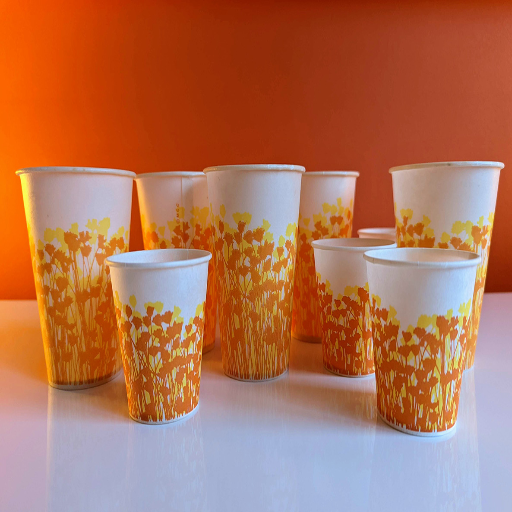
The paper cups have an endless number of activities outside of serving beverages. In arts and crafts, from making basic home decorations to inventive sculpture. Paper cups are also organizational aids for small items, such as office supplies or snacks. Lightweight and easy to dispose of, they are ideal for occasions or parties that require a speedy clean-up. With proper computation, they can be all-arounders in gardens as seed starters, thus promoting an eco-friendly method that can decompose into soil.
Food Serving Solutions
- DISPOSABLE PAPER CUPS FOR BEVERAGES: For beverage service, disposable paper cups shall be considered for hot and cold drinks like coffee, tea, juice, or soda. These cups are remarkably light and easy to carry. After usage, disposing of them is considered easy, especially in events, hangouts, and casual dramas when time is of the utmost consideration.
- Biodegradable Plates and Bowls: These environmentally friendly alternatives to plastic tableware can be made from materials such as bamboo, sugar cane, or palm leaves. They carry meals pretty well; after they have served their purpose, they decompose, thus reducing the carbon footprint on the environment.
- Food Storage Foil Containers: Typically used for packing and serving food, especially by catering services, these foil containers keep food warm and fresh, making them ideal for takeouts or home deliveries.
- Snack Boxes for Portion Control: They hold machine-snack-sized portions of sandwich, pastry, or finger foods; can be customized, and are convenient. They could serve lunch, be taken on a picnic, or be used for serving at a party.
- Cone Holders for Finger Foods: The use of cone holders generally provides an option, such as fries or popcorn, or small types of candies. They add a creative yet functional twist to the serving experience. They are fun, portable, and help minimize spills for on-the-go convenience.
Creative Repurposing Ideas
- Snack Boxes as Storage Organizers: Empty snack boxes can be organized to store small household items, such as stationery, craft supplies, or cables. Dressed up with patterned paper or labeled with a whimsical tag, this storage option gains interest.
- Cone Holders as Planters: An empty cone holder could make a lovely mini-planter for tiny succulents or herbs. The holder should be lined with a biodegradable material, filled with soil, and placed as a unique yet green decorative piece. It is an awesome way to keep little green things alive in your home while reducing waste!
Event Solutions with Disposable Paper Cups
Disposable paper cups are an all-round adaptable choice for events of the utmost casualness or poverty. They create less work for cleaning and may be printed to complement the event’s theme. Recent data suggest that searches for eco-friendly product descriptions related to disposable cups have been trending upward, indicating an increasing interest in sustainable products. Choosing biodegradable or compostable paper cups, therefore, satisfies this demand and demonstrates the user’s commitment to pro-environmental measures. They are the best option for a functional yet aesthetically pleasing solution in modern event setups, serving drinks, snacks, or even cool desserts like layered trifles.
Frequently Asked Questions (FAQs)
A paper cup in food service is primarily used to conveniently and hygienically present hot and cold beverages to their consumers. These cups are generally treated as one-time-use items, making them best suited for numerous busy cafes and restaurants where fast service time is paramount. They are lightweight and hold a variety of drinks, for example, coffee, tea, and orange juices, also being particularly favored by food service providers.
The environmental impact of disposable paper cups comes into play with both production and disposal. Although they can mostly be made from renewable resources, many paper cups are lined with plastic, which is adverse to recycling. With this in mind, so many cup products end up in landfill sites, contributing to trash. But the manufacturing sector is slowly changing this with the best sort of paper cup: recyclable ones.
Here are many environmentally friendly factors for upgrading a plastic cup to a paper cup. Paper cups are made of natural materials and are therefore biodegradable. Plastics take hundreds of years to degrade, whereas paper cups degrade at a faster rate; landfill enzymes also aid in the decomposition process of these paper cups. Another factor in being environmentally friendly is the use of sustainable sources for these cups.
For hot drinks, there are various cup options, such as single-wall, double-wall, and plastic-lined cups. Single-wall types are lightweight and are typically used for short-term applications. Double-wall types insulate better, keeping the drink hot but without burning the user’s hand. Furthermore, branded paper cups are also offered in the industry to meet marketing requirements.
Recycling paper cups is very much dependent on the plastic lining of many of them. For effective recycling, it is essential to check if local recycling programs accept paper cups. If not, some specialized programs do accept paper cups and separate the paper from the lining. Their promotion of awareness about proper recycling helps save many cups from going into landfills.
Beyond serving beverages, paper cups offer the opportunity for innovative yet unconventional use. These can be used as small planting pots for seedlings, containers for kids’ art supplies, or holders for small items. Since they’re made of sturdy material, paper cups allow for experimental treatment with various arts and crafts, highlighting one of the ways a disposable cup can be repurposed for another use after being initially used.
Lids, in fact, enhance the functionality of paper cups, especially with hot beverages such as coffee, by preventing spills and keeping the drink warm. They come in many types, from sippy lids for ease of sipping to flat lids for convenience. The choice of lid enhances the user experience and should be an essential part of the options for disposable cups.
Reference Sources
1. Paper Cup and Paper Bowl Design to Support Economic Resilience Through the Green Economy Concept
Citation: Fitriyani, Z. A. (2025). “Paper cup and paper bowl design to support economic resilience through the green economy concept.” Journal of Economics Research and Policy Studies.
Publication Date: 2025-04-15 (This is a future publication date, but it falls within the “last 5 years” if we consider the current year 2024 and look forward slightly, or if it’s an accepted manuscript with a future publication date).
Key Findings:
- The study highlights that many culinary businesses, such as Pujasera Embong Tengah, have not adopted green economy concepts due to perceived complications, stock availability issues, higher costs, and a lack of understanding in designing environmentally friendly packaging. This leads to continued reliance on non-environmentally friendly plastic packaging.
- The research successfully designed paper cups and paper bowls that were found to be easy to communicate, creative, distinct from competitors, and acceptable to consumers.
- The findings suggest that the use of attractively designed, environmentally friendly paper cups and paper bowls can support the economic resilience of business actors by encouraging a shift away from plastic packaging. (Fitriyani, 2025)
Methodology:
- The study employed a descriptive qualitative method with a field study approach.
- Purposive sampling was used to select respondents, who included both sellers and consumers.
- The design of the paper cups and paper bowls was created using the AutoCAD application.
2. Feasibility of Producing Biodegradable Disposable Paper Cup from Pineapple Peels, Orange Peels and Mauritian Hemp Leaves with Beeswax Coating
Citation: Buxoo, S., & Jeetah, P. (2020). “Feasibility of producing biodegradable disposable paper cup from pineapple peels, orange peels and Mauritian hemp leaves with beeswax coating.” SN Applied Sciences, 2, 1-15. (Buxoo & Jeetah, 2020a, pp. 1–15, 2020b)
Publication Date: 2020-07-09 (Published within the last 5 years).
Key Findings:
- While the paper does not explicitly state “the purpose of a paper cup,” its focus on producing a biodegradable disposable paper cup inherently addresses the functional purpose of such items: to provide a convenient, single-use container for beverages or food, with an added emphasis on environmental sustainability.
- The study investigates the feasibility of using agricultural waste materials (pineapple peels, orange peels, and Mauritian hemp leaves) combined with a beeswax coating to create a more environmentally friendly alternative to conventional disposable paper cups. This implies that a key purpose of modern paper cups is to be disposable while minimizing environmental impact.
Methodology:
- The research falls under the Materials Science field, indicating an experimental and analytical approach to material properties and production processes. (Buxoo & Jeetah, 2020, pp. 1–15)
- The title suggests a focus on feasibility, implying laboratory experiments to test the production process and the properties of the resulting biodegradable paper cups, including the effectiveness of the beeswax coating. Specific details on the experimental setup or analytical techniques are not provided in the abstract; however, the nature of the study implies that material characterization and performance testing are involved.