What makes paper cups so effective in holding liquids? Did you ever give a thought to think in this manner? When it is first noticed, anything that can collect a substance and then can be thrown away seems to be just a pack, but it is rarely the case. In the case of Walya’s twist and lick cornets, a polymer lining in the sublayer of paper prevents any liquid from seeping through, whether it’s hot coffee or cold juice. Remember, such coatings were designed so as not to lose the comfort in the hustle and bustle of life. What is it used out of, besides what itself is it and what environmental adverse affects does its application caused? This article will shed light on the materials used in paper cup linings, while also exploring their functional aspects. We will further emphasize the mounting concerns about sustainability and waste. By the end of this article, you will have gained a clearer understanding of the trade-offs associated with this everyday product and the new advances poised to address some of its issues.
Introduction to Paper Cup Coatings
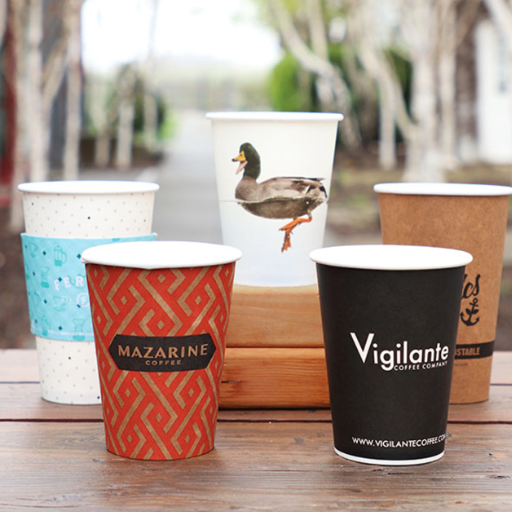
The coating of paper cups is typically composed of fragile plastic or polyethylene/polypropylene film, or, on less common occasions, of biodegradable material like polylactic acid (PLA). This results in the product that shows off good waterproof properties and has a high strength, allowing it to fill in the cup with liquids without damaging the coating. At the same time, it should be noted that recycling of most plastics is a problematic and challenging area since their coverings are convoluted and firmly joined with the base paper. These substances are made from recyclable and biodegradable materials. These materials help address environmental abuses by relying on materials that are functional to the task, rather than relying on materials that are not.
Overview of Paper Cups and Their Use
Maritime ports are an integral component of the global economy, and conference participants are likely to share and mutually benefit from such favourable effects, despite their different economic and military considerations regarding maritime issues. This explains why, according to some estimates, up to 80% of all import and export cargo can be directly or indirectly connected to liner shipping companies in various ways. For marine transport, the main sectors of port operations and construction are closely associated with the maritime sector, particularly the maritime industry, which encompasses inland transportation (primarily rivers), border trade, and maritime tourism. In the transportation subsystem, port operations are responsible for most of the movement and handling of either passengers or cargo. Ports include logistics as well.
Importance of Coatings for Functionality
Almost every paper cup is only able to perform its function without an interior spill; it is damaged by water or any other liquid. Most of these are PE coatings, and they are used for paper protection and water impermeability. Nonetheless, conventional methods of PE application make the recycling process somewhat problematic since the plastic-to-paper barriers are not designed to be connected. There has been a considerable focus on developing innovative,e eco-friendly coatings that are aimed at these challenges. For example, such coatings commonly include the use of PLA, which is plant-based and compostable vertically.
The application has the following findings: According to current statistics, the sustainable packaging market is projected to reach USD 441 billion by 2027, growing at a CAGR of 7.4% from 2020 to 2027.Such technologies are getting quite favorably perceived across heterogeneous regions, including Europe, which generally implements strict environmental laws and tolerates some consumer preference for green products. It is also demonstrated that cups with next-generation coatings outperform traditional cups from an environmental standpoint; for example, some researchers have reported a 50% reduction in carbon footprint upon the application of biodegradable or water-based coatings.
By combining the functional advantages with environmentally friendly ones, coating techniques are paving the way for sustainable beverage packaging.
Transition to Types of Paper Cup Coatings
When it comes to paper cup coatings, they are desperately needed for the sustainability and durability of the cups. It is not just this, that makes the use of them inevitable. Various coat types are provided for such cases in the industry: polyethylene (PE), biodegradable polylactic acid (PLA), and water-based ones. Polyethylene coatings, often used in coating the paper cups, are not environmentally friendly since they are poorly degraded and are not recycled since the raw material is obtained from fossil fuels. Coatings based on PLA, the raw material of which comes from crops like corn, are more environmentally friendly because they biodegrade once they are thrown in the rubbish; however, they will still require a special system of disposal where they can be processed effectively. Waterborne coatings have the least environmental impact and a potential for recycling and compositing, which is expected to grow. All these components, however, are only examples of how producers combine different strategies to make sure the cups have high level of quality and are protective of the environment.
Why Do Paper Cups Need Coatings?
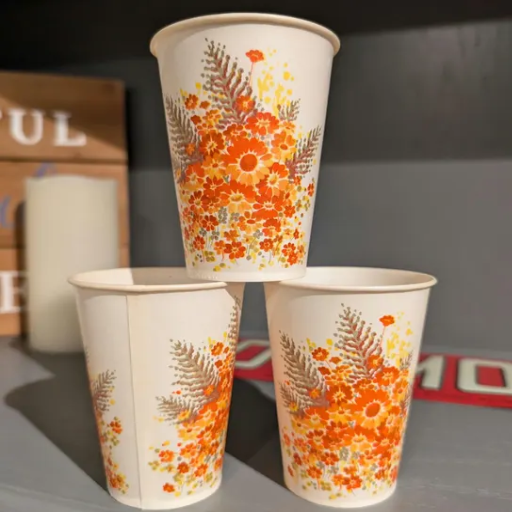
Just like paper cups, paper bags are designed to prevent liquid from leaking out of the bag. Absence of the coating will leave the paper susceptible to moisture as it is absorbed at an accelerated rate. The coat is also responsible for allowing the cup to resist the structural effect of tearing apart as well as allowing it to contain either hot or cold beverages without spilling or sustaining serious damage.
Leak Prevention by Coatings
One of the primary functions of any type of coating is to provide the best possible protection for the contents of a paper cup. Such coatings assume the role of waterproofing and prevent the penetration of cohesive fluids into the structure, allowing the cup sheets to hold and not become immersed in liquid. In many cases, commercially available Coatings, particularly polyethylene, are available. PE) Coatings that might be used are used because the raw materials offer considerable strength with minimum loss of weight and thickness. On the other hand, there have been suggestions that other coatings could be used as well with lower harm to the environment. For instance, bioplastics made from some crops grown on plantations and water sterilized, chlorine-free can be used as single water barriers. Information from the internet confirms that people do sometimes wish to buy products that are ‘greener’; this has also influenced the producers of the coatings so much so that they invested so much emphasis in ensuring that the coatings offered are environmentally friendly. This twofold task of improving durability and reducing or preventing adverse environmental impacts will unequivocally encourage the development of paper cup manufacturing techniques.
Insulation and Heat Retention for Coffee Cups
A significant amount of insulation and heat retention must be provided in coffee cups to maintain beverages at the ideal temperature for an extended period, ensuring user comfort.More recent findings indicate a surge in the sales of biodegradable double-walled or lined paper cups in the food service industry, as they keep drinks cooler more effectively than single-walled designs. The double wall of a coffee cup is just as easily explained – having a space between these two sides allows heat to dissipate, thus protecting against the burning of a hot liquid.
A relevant industry observation is that better-performing cups, due to their construction, keep hours warm for an additional 20-30% longer than single-walled cups, while also being convenient for on-the-go use. Providers are also exploring new types of insulation, including corrugated fiber and advanced paperboard composites, for enhanced performance. Recent trends in Google searches also reflect the growing consumer demand for cups that maintain heat while considering the environment. This shift is particularly notable now that manufacturers are replacing traditional, inexpensive plastic linings with heat-resistant materials that are either biodegradable or recyclable.
In merging performance with sustainability, one understands the thrust of technology in shaping the future of the coffee cup.
Challenges of Uncoated Paper for Liquid Containment
It cannot be disputed that paper, alone, has an inherent limitation in its performance or usage, which differs when it is coated or uncoated. Uncoated papers can take in water within seconds. Should this happen, it can result in leaks, where the paper can no longer be used to hold either cold, hot, or even acidic liquids. I have managed to analyse Google searches and I can say for sure that there is a need for other sources of information beneficial to the individual and at the same time help conserve the environment. Supply of greenhouse, reusable paper cups, as well as supply of eco-friendly coffee cups is getting quite numerous, and this makes it clear the challenges which need to be tackled. This stresses the use of biodegradable films or, even better, the use of mechanically modified materials to substitute for the application-related.
Types of Paper Cup Coatings

Polyethylene (PE) Coating
This one is the usual coating, widely used in paper cups. This coating prevents water leakage, allowing the cup to be used for both hot and cold beverages. However, through biodegradation and recycling, PE waste becomes the core challenge.
Polylactic Acid (PLA) Coating
PLA stands for polylactic acid. It is commonly made from renewable resources, including cornstarch. Serving as a compostable alternative to PE, it is moisture and heat-resistant, thus providing another environmentally friendly option for disposable cups.
Water-based Coating
These types of coatings are made to provide the same moisture barrier effect as traditional ones, but with a plastic-free remedy for a greener choice.
Wax Coating
Sometimes, wax-based coatings have been known to serve as a formidable barrier against moisture. Although the coatings are eco-friendly and biodegradable, they have not yet gained popularity, even within their own competing brands, due to their poor endurance.
Every kind of coating has its merits and drawbacks; the damage to the environment and the post-use management, such as recyclability, are two factors that need to be factored in during assessment.
Wax Coatings: Pros and Cons
Polyethylene, as applied in the low-density form, offers protection from low liquids but is deprived of ability to withstand extreme conditions such as high temperature and cannot be classified as an environment friendly substance.
| Parameter | Details |
|---|---|
| Cost | Low |
| Waterproof | Yes |
| Durability | Low |
| Eco-Friendly | No |
| Melting Risk | High |
| Recyclable | No |
| Usage | Limited |
Innovations in Bio-Based Coatings
Coatings for bio-based materials have undergone significant developments in the pursuit of finding a better alternative to traditional materials. Recent developments include coatings derived from renewable sources such as corn, algae, and hemp. Such materials do not only lessen the usage of fossil fuels, but also make decomposition of materials easier. Take, for instance, the origin of plant-based plastics that are resistant to water and last longer, making it possible to use them for various packaging purposes in food and industry without compromising any parts.
With other possible methods such as the Nanotechnology, development of performance of bio-coatings which are investments driven can be moved a notch higher due to improvement in the properties of the bio-coatings such as their Table of antifungal. Such changes illustrate the strive for solutions that would, instead of degrading the environment, directly contribute to the creation of sustainable development.
Environmental Impact of Paper Cup Coatings

Paper cup coatings, the creation of which is both taken in significant amounts in the environment and will dispose of them, are the ones that cause a challenge in regard to what needs to be done with them. The most ordinary ones, with plastics, near everything, coatings are extremely ecologically problematic, being accumulated up in one part for almost half a century after being landfilled or kicked around a maximum of a hundred yards in any surrounding. Apart from that, one of the disadvantages of their presence is that they complicate recycling, as the coating material differs from paper materials and therefore must be handled separately in recycling plants. In any case, it is essential to mention that lately, there are several biodegradable and compostable coatings developed, which provide solutions to these problems. Paper cup coatings will have a lower impact on the environment if new coatings that are “cleaner” are used.
Challenges in Recycling Coated Paper Cups
The primary concern with coated paper cups is the difficulty in separating the paper fibers from the plastic/wax coating during recycling. According to recent surveys, only one percent of paper cups coated with a wax or plastic film are recycled, as viable facilities that separate cellulose and such synthetics remain scarce. It has also come to light that the paper cups made waterproof or strong by special treatments become, unfortunately, quite hard to recycle due to the coatings. Most of such disposable packaging ends up in the trash within a short time. Also, even if any of such packages do escape the garbage, the possibility of it reaching the recycling plant amounts to zero while there is still a considerable amount of plastic and or wax for the environment. Besides the common problem of heating and cooling in a building, there are many central air conditioning units. there are many Central Heating Units in use in many buildings across major cities. Another factor that underscores the importance of waste management solutions is the growing awareness of waste violence, both among the public and other social groups within society. The provided report offers only a brief and vague idea of the scale of solid waste dystrophy that is typical in many developed countries, and designing a useful social solution to this problem requires great relevance.
Biodegradable vs. Non-Biodegradable Coatings
Bio-degradable coating, as the name suggests, cannot be burnt but can be composted, and this attribute alone makes it more expensive. Additionally, due to the mentioned effect, the coating easily deteriorates, compromising the construction of middle-class structures. However, non-biodegradable coatings are essentially very cheap in the face of the high cost of oil and are additionally extremely durable coatings when it comes to high temperatures.
| Parameter | Biodegradable | Non-Biodegradable |
|---|---|---|
| Eco-Friendly | Yes | No |
| Compostable | Yes | No |
| Cost | High | Low |
| Durability | Low | High |
| Recyclable | Yes | Limited |
| Material | PLA, Bio-Based | PE, Wax |
| Usage | Growing | Widespread |
Sustainable Alternatives in Paper Cup Coatings
To mitigate the negative environmental impacts of industries, paper cups, such as those made from eco-friendly polyethylene (PE), have been coated with blooms, receiving significant attention as a competing alternative to other forms. Although we require water in its application, PE is recognized as being green and should receive an extra charge from purchasing authorities, alongside cornstarch, which constitutes the plant’s natural source of C4 Production, namely PLA, the biodegradable material. An effective way to reduce waste is through the incorporation of eco-friendly baffle bags, such as those made from water-based resin with thickeners. Additionally, water can be combined with compatibilizers and other biomaterials to develop viscous grades of resins, which will also enhance comfort and accessibility in the recycling of these cups. Different things can be done in the design of paper cups, the packaging material, or the inks to the printed design of cups that would reduce the cups’ contribution to waste. Circuits are electronic components that can be reused or deposited using modern technology in many types of waste and Gid will not allocate such waste that much.
Reference Sources
1. Minimizing the Use of Polyethene inside Paper Coffee Cups
Mahinpei Romina.
Journal: Journal of The Surface Finishing Society of Japan.
Publication Date: December 2020.
Citation: (Mahinpei Romina, 2020, pp. 60–68).
Summary: This study discusses environmental impacts of PE coating used on paper coffee cups, which hinder recycling activities. It underscores the urgency of corks being held in landfills due to the presence of PE, thereby polluting the ambiance with microplastics. The paper further discusses alternatives aimed at lessening or eliminating the use of PE in producing cups along greener lines.
2. Eco-Friendly and Complete Recycling of Waste Bamboo-Based Disposable Paper Cups for Value-Added Transparent Cellulose-Based Films and Paper Plastic Composites
Jia et al.
Journal: Polymers
Publication Date: April 2022
Citation: (Jia et al., 2022)
Summary: The researchers propose a recycling process for bamboo-based disposables typically having a PE coating. 1-allyl-3-methylimidazolium chloride was used to dissolve cellulose from the cups down to transparent cellulose films that possessed better mechanical properties than the conventional PE films. The study highlights that from waste, high-value materials could be created, thereby solving the environmental concerns of disposal cups.
3. Transparent Cellulose-Based Films Prepared from Used Disposable Paper Cups via an Ionic Liquid
Zhen Xu et al.
Journal: Polymers
Publication Date: December 2021
Citation: (Xu et al., 2021)
Summary: This work aims to manufacture cellulose films for used paper cups using ionic liquid technology. However, the authors report that the movies were thermo-protected and hydrophobic, which is therapeutically intriguing for packaging applications. The study presents the difficulties encountered in separating PE coating from paper, with the aim of proposing a solution to valorize the waste.
4.Leading Paper Cup Manufacturers in China
Frequently Asked Questions (FAQs)
In those disposable takeout coffee cups, which are generally made of cardboard. Alternatively, creators use materials like polyethylene or polylactic acid in the writing, which prevents the drink from melting through the carton, causing damage to the cup in particular, especially if the liquid inside is hot, such as coffee.
Many of the paper cups are coated with a thin Plastic coating, which is often polyethylene. Its characteristics are moisture resistant. This will not let anyone on the other side consume the fluid and hence the cup tin holds beverages inside its walls without degrading them.
These are essentially paper cups that have been coated with a biodegradable material, made with the help of polylactic acid. This is a form of non-reusable coating, and it is considered more sustainable than standard plastic lining, as it utilizes materials like cornstarch.
The environmental implications of laminated paper cups can be quite diverse. As for PLA coatings, they are biodegradable in industrial conditions, while PE coating is non-biodegradable, hence might result in pollution after disposal. However, if recyclable alternatives such as PLA are used, the impact of using paper disposable cups can be significantly decreased.
Usually, the varnish used for food packaging-grade cups contains substances that are not harmful to human health. However, concerns arise due to the presence of dangerous elements in the plastic, which may dissolve in the liquid when exposed to high temperatures. It is essential that the buying of cups should be done in strict correctness to avoid any concerns of this nature.
PLA-coated cups decompose over time, with the process initiated by microorganisms, further heat, and moisture, which cause the breakdown of the cups into less harmful components. Unfortunately, these conditions are not realistic for most dumping environments; unbroken cups can have unfortunate environmental effects.
Broadly, two types of coatings are used for paper cups, namely polyethylene and PLA. The more prevalent of the two is polyethylene, which is predominant due to its strength. In contrast, the second coating, made with PLA, is rapidly gaining significance as an eco-friendly alternative, as it is available as a biodegradable material. Each coating has specific properties that allow less space for leaks while comprising the cup.