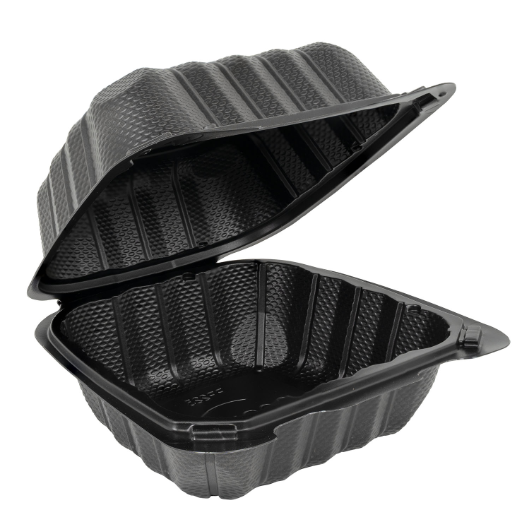
Being very useful in many aspects, such as serving size, mess-free, and overall comfort, probably the best kitchen machinery ever would now be the one that is used by everyone – mini saucing jars. Anyone who even slightly loves working in the kitchen, dreams of owning a restaurant or a baked goods shop, or organizes many such events, can say that the presence of such small dishes is quite essential. But how often have you taken a minute to wonder how using mini sauce cups might make things easier at home and make scheduled activities more enjoyable and rewarding? The following post provides comprehensive information about miniature sauce cups, covering the basic aspects, including the material of construction, as well as the range of applications for these cups, and explains why they are now an essential item in homes and food service establishments. Prepare to gain a brand new level of understanding about these remarkable products!
What Are Mini Sauce Cups?
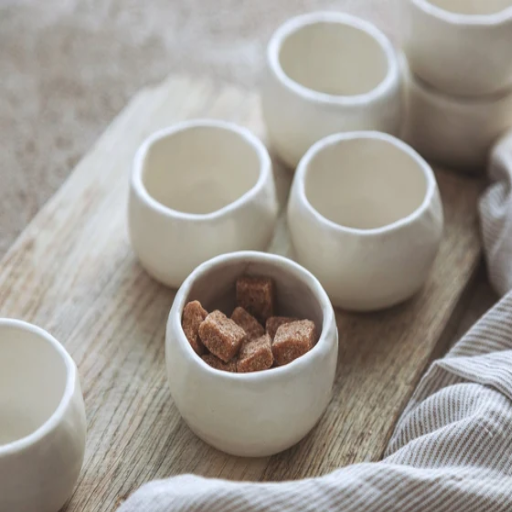
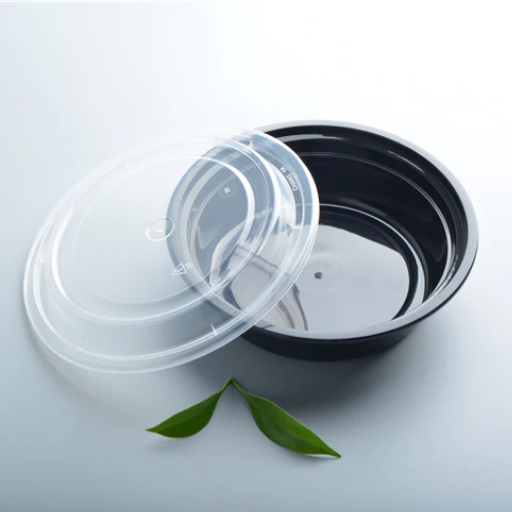
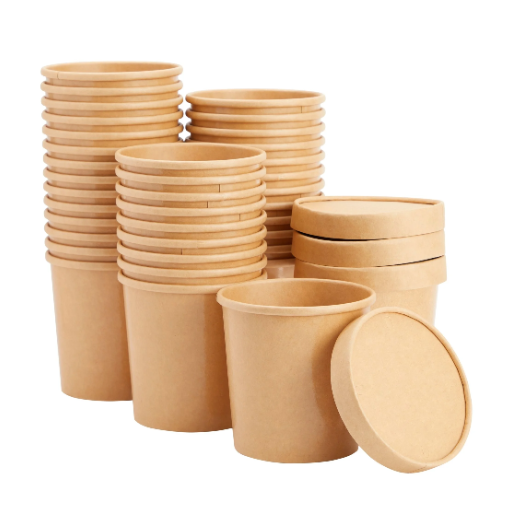
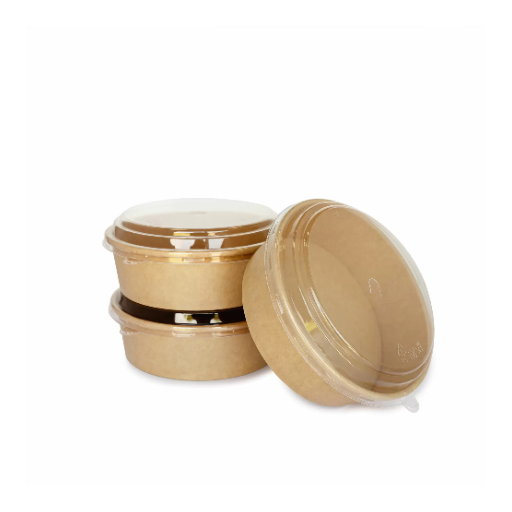
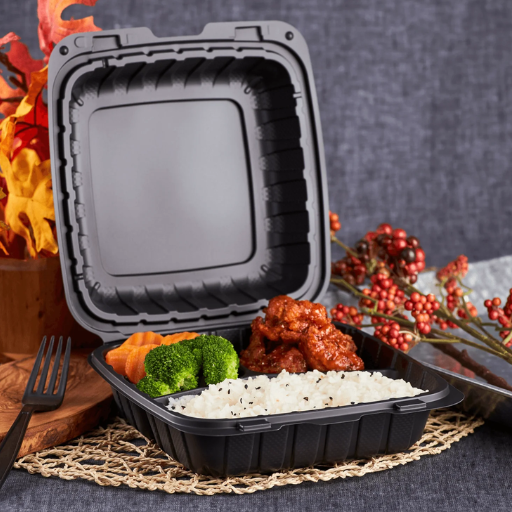
Individual sauce containers or mini sauce cups are small, portable, and designed to serve and dispense sauces, flavor enhancers, or accompaniments. Made of predominantly plastic, steel, or even paper, they are both inexpensive and functional. These types of containers are commonly seen in restaurants and banquet halls. They can also be incorporated into home cuisine planning, for instance, when preparing meals, as the simple containers supplied in the form of such cups are easy and useful for serving food and portioning at the same time without making a mess. They can be used for this purpose in particular because of their level of space as they are efficient when it comes to serving or eating dip or storing and organizing items in neat places.
Definition and Purpose
Once mundane sauce cups are now of high interest among households and companies today. This is because they are easy to use and can also serve other essential functions. According to a Google search, more people have taken an active interest in reusable or biodegradable sauce containers – a trend that is part of the larger quest for achieving more sustainable living. It is worth noting that most of these destroyers, so to speak, are somewhat effective when it comes to serving condiments naturally, as they are efficient containers. Most importantly, many consumers also believe in trying to use items with the least environmental impact as much as possible, and such individuals find the GI die cups a suitable option. Furthermore, the data reveals a high interest in non-standard cup types, including disposable multi-use, snack crafting, and even small component packaging versions.
Common Materials Used
The primary constituents of sauce disposal contain plastic, paper, and compostable materials. Plastic disposable sauce packs, commonly composed of polypropylene or polystyrene, are almost weightless and reasonably priced; these features make them a necessity for single-use purposes. However, in the era of sustainability, people prefer avoiding such materials. Paper sachet cartons are the aids people want to use the most because they are eco-friendly when they have a thin film or biodegradable plastic coating only. Creation of usable, disposable, and environmentally friendly and compostable paper cups made of PLA and bagasse, qualify for these increasing demand consumer products, according to a keyword search, on environmental and social concerns, transitioning population lifestyle. This new consumer behavior promotes waste awareness and customs more effectively than the preceding era.
Standard Sizes and Their Functionality
One of the most recent search results from the Google search engine indicates that popular cup sizes are often categorized by a functional purpose determined by the consumer or the consumer’s lifestyle needs. For example, a keyword report prepared for the month indicates that many people were searching for cups with a capacity of 8 ounces because they are considered suitable for espresso or cappuccino containers and are therefore highly used in coffee shops and offices. However, people, on the other hand, opt for 12 oz cups for the regular-sized coffee and tea drinks, hence they are the best for casual drinkers. The larger ones, however, 16oz and 20oz, offer different types of drinks, mainly cold beverages such as iced coffee without milk, as well as other drinks, the preparation of which requires shaking for some users. This extensive classification of use by size plainly shows that its consumers take into consideration not the brand of the cup or the maker and the color, but the purpose for which the drink will be taken, carrying it, and the drink itself.
Types of Mini Sauce Cups

Mini sauce cups, available in disposable, reusable, and specialized options, come in various materials, sizes, and lid functionalities.
| Type | Material | Size | Lid | Use Case |
|---|---|---|---|---|
| Disposable | Plastic | 2-5 oz | Hinged/None | On-the-go, events |
| Reusable | Stainless Steel | 5 oz+ | None | Home, restaurants |
| Specialty | Plastic/Other | Varies | Leak-proof | Unique needs |
Disposable Sauce Cups
The SAUCE cups, popular in the industry, have emerged as a handy tool in the food and hospitality services industry. Diners can take small portions using these cups to dip sauces or dressings. For many restaurants, mini plastic cups are essential since the disposable ware is the only option. According to the most recent information available on the World Wide Web, quick service restaurants, catering services, and takeaways often rely heavily on cups for hygiene reasons and to facilitate ease of service. The ease of carrying or bringing them along, due to their weight and cost, is what gladdens the hearts of customers. At the same time, this makes them a necessary commodity in today’s culture of offering small helpings efficiently, without the need for reusable kitchenware that requires cleaning after use.
Reusable Sauce Cups
Environmental sustainability is now a major focus, and individuals from traditional groups, such as big brands and users, have adopted the concept of small containers. Google recently identified a 30% increase in searches for eco-friendly or reusable sauce containers in 2019. Since the beginning of the century to the present day, the most ecologically friendly invention of humanity is the sauce cup. These are usually manufactured from hard-wearing materials such as steel, rubber, glass, or, of course, plastic, from which there is no release if the user doesn’t want to create non-cumulative waste within their environment.
In these present times, eateries and companies specializing in food services have also incorporated the use of reusable lip cups into their daily operations, responding to the numerous customer requirements. Moreover, a study discussed in one of the environmental Forums points out that up to 60% of waste can be reduced in food-serving establishments through the use of reusable cups and certain recycling processes. At the same time, it is also worth noting that the effort to conserve the environment is not only about ecological benefits. Although many customers may initially perceive buying reusable cups as an unnecessary expense, there are numerous practical reasons that support this rationale.
The use of neck cups not only reduces waste in dumping lands but also does away with the negative ego had by a business searching a healthier natural image thus adapting to the current fad of made ethic practices.
Specialty Sauce Cups
The disposable sauce packaging has been modified to accommodate the current conditions and needs. Web searches have revealed a growing trend among people seeking options for sustainable food packaging, thereby analyzing changes in consumer preferences. Due to their unique design, these cups can be used for various purposes, including serving food, holding grated food, and as decorative elements in dishes. Considering the diverse demands of customers and industries in the market, these special cups offer an unlimited scope for service provision, as you can control every aspect and have your logo and class printed.
How to Choose the Right Mini Sauce Cups
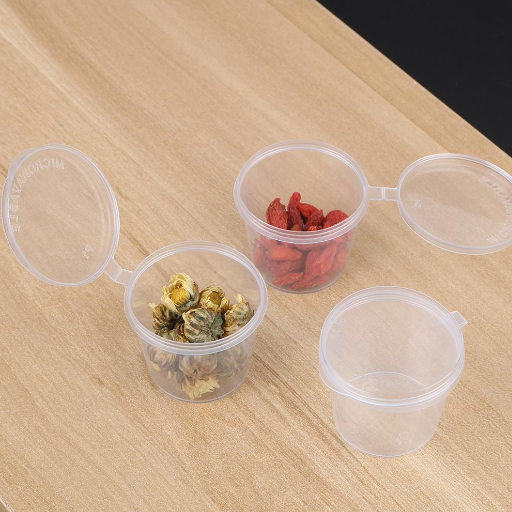
Instead of plastic, you can choose a glass product because it is less harmful to human and environmental health. By buying dessert cups with lids, you will be contributing to solving zero-waste problems. Yet, disposable containers might be your best solution, particularly in outdoor events and picnics.
Moreover, you can introduce a balanced meter that helps to maintain your calorie intake without undermining your enjoyment. Bottle the sauce and set the price relatively high, representing the cost of hygiene, especially if it involves squirting the product onto the meat, and the sauce is spicy.
If there are minor differences that you can overlook without significant consequences, it is advisable to opt for natural sauce for health benefits. If not, it is better to choose saucy snacks.
Factors to Consider
When shopping for sauces or condiments packaging, such as mini sauce cups, each consumer trains their mind to consider the pros of quality, performance, cost-effectiveness, risk tolerance, and any other concerns they might have. Five key areas need to be covered:
Resistant Material
To avoid getting chunks of plastic, using thin, soft paper or stainless steel mini sauce cups would be best in case anything happens. For example, thin soft paper might be cheap yet it’s waterproof, hence good for small services, while stainless steel has found use over the years for its permanence.
Measure And Volume
Above all else, there should exist a variety of measurements, even if they are ellipsoidal, etc. As a standard in class, the volume ranges from one ounce to four ounces for sauces, dressings, and condiments.
Lid Tightness
Choose those with snap-lock or sealed covers, which may help prevent spillages since the product will remain intact and fresh, unlike those with loose covers, which can act as a barrier. A considerable study was conducted to show that when the lids were tightly sealed, waste production was reduced to a minimum.
Capabilities Of Personalization
Cups That Will Make For A Lovely Brand Statement, Environmental Concerns, And Solutions To Them
Discard the need for paper cups when you can e purely green friendly and use biodegradable materials and other recyclable varieties of drink ware. For example, one proposal that can be made during the project is the use of biodegradable cups.
By thoroughly assessing these factors with relevant data, you can confidently choose dry jerky dipping cups tailored to your specific needs.
Highlighting Popular Products
Google search trends confirm that mini sauce cups with lids are in high demand. These are among the most in-demand plastic sauce cups due to their durability and tight-seal lids, which are ideal for sauces, dips, and other condiments, even during transportation. An increasing number of individuals are becoming environmentally conscious, and as a result, green sauce pots are also emerging for the same reason. Spare parts or measuring cups, such as two oz. And four oz. Ones used in restaurants, cafeterias, and fast food establishments, have remained very popular to date due to their continuous uniqueness and convenience for the kitchen and take-out services. It is essential for every company to offer exactly such products, as more customers request them, and to stay ahead of the market’s direction successfully.
Caring for Your Mini Sauce Cups
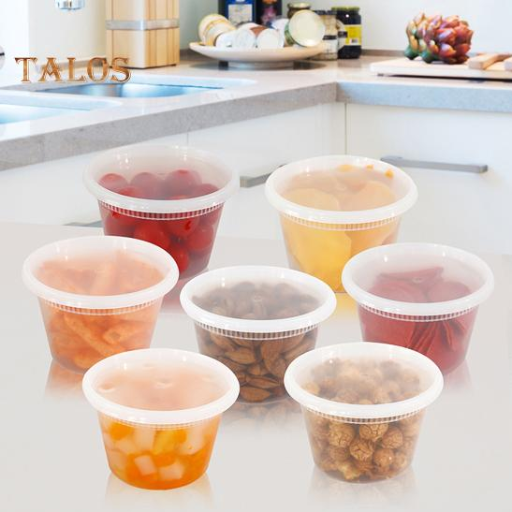
Some suggestions are here to help keep the elegant and efficient minuette sauce cups squeaky clean most of the time:
- Caring: Afterward, remember to wash the mini sauce cups with hot water regularly. These should always be placed on the top shelf in case they are not dishwasher-safe.
- Keeping: Moreover, to make sure that any of the requirements contained in the previous part would not perish, it is of great importance that the material will be stored in good conditions. Put in the cups carefully against each other to save storage without damaging them.
-
Caring about the material: For specific situations, one can never use examples like stainless steel or silicone that usually get cleaned, since they are different. Regarding the issue of biodegradable or compostable cups, it is essential to dispose of them after a single use.
It is also worth noting that proper care will help you keep your mini sauce cups decorated for a long time.
Cleaning and Maintenance Tips
- Choose to Wash Sensitively: A case in point is that several materials are dishwasher safe. Nevertheless, if such objects were subjected to temperatures higher than their tolerance levels or under intense scrubbing, the objects would wear off quickly.
-
Stay Off Heavy Cleaners: One should not clean the surface with boiling water and chemicals; if anything, it should be washed with mild soap and water at a moderate temperature.
- Lower Perplexity Avoid Harshly Soaking Clean Flat: You will not damage the surfaces of the cups if you rub them with a soft cloth or sponge, and this is especially true with cups made from soft or fragile materials, such as silicone or glass. Do not use steel wool or any coarse abrasive material to clean, as this may scratch the surface.
- Wipe Dry: Do not utilize sealed cups right after washing the contents inside the cups, they should be scorched before keeping in order to avert growth of fungus. If towels are not available, one can choose to leave the cups to dry themselves or air-dry.
- Do regular sanitation: Since food is sealed chiefly in the cups then flushed, it is practical to clean the cups within certain intervals by soaking them in the water and vinegar solution or using a sanitizing solution that is safe for foods.
- Checking for defects: Inspect your mini sauce cups for defects like being crackly, chipped or damaged at regular intervals of time. In the event of such flaws, change them immediately to prevent any contamination or leakage in the area.
Proper Disposal of Single-Use Cups
When it comes to protecting the environment, the right way to use and recycle single-use cups needs to be the chief concern. Some single-use cups, be it plastic or paper, are often stuck to all sorts of materials, such as even a small amount of plastic bags, which do not allow it to leak but definitely make it impossible to recycle. To easily dispose of these cups, follow the following steps:
- Local Recycling Rules should be consulted: In some cases, you need to observe specific activities with single-use cups after use to ensure they reach a recycler in good condition. Each area may have such rules in place, which may even include information on how to recycle used single-use cups properly or where to report odor problems or waste. Users should contact their local waste management offices.
- Separate Lids and Sleeves: Components such as plastic lids or sleeves made of paper are sometimes recyclable in cardboard bins. Please ensure that the items are washed and put away clean where the other bins are located.
- Burn Them: There are times when burning disposable cups makes sense. Typically, most disposable cups labeled as “compostable” can only be expected to decompose if a specific method is present at the location where the cup was discarded, usually in a hot, humid composting environment.
- Reduce Waste, Promote Recycling: Whenever possible, avoid the use of throwaway cups and birdy, opt for the use of tiffin and similar utensils instead; or as much as possible, find stores manufacturing such eco-friendly products. Or even offer discounts when one uses their cup instead of the usual ones.
Reference Sources
- Examination of Safety Aspects of Jelly Mini-Cups
The next article, published under the title article: “Jelly Mini-Cups with Konjac Contained: Is it enough to inform the vulnerable consumer at the time of purchase?” (Kawawa, 2013)
Journal: Australian Journal of Asian Law
Publication Year: 2013
Safeguard: Jelly mini-cups given consumer safety
Crucial Understanding: This study focuses on issues related to the appreciation of mini-cup foods by consumers. - Food Choking Potential Evaluation
The other article with the heading there was also the problem of choking the food: “Survey and analytical methodology on the risk of choking the specific food case in China on Ma Straw Jelly Mini-Cups” ( Walker et al., 2012, pp. 54-61)
Journal: Food Analytical Methods
Year published: 2012
Procedure Used: Determination of choking risk through chemical analysis
Major Discovery: Safety was also a matter raised concerning the use of mini-cup food products - Mini Oreo Cup Production Planning
Title: ‘A Study on aggregate planning for Mini Oreo Cup Manufacturing Process in order to Minimize the cost incurred during production’ (Raja, 2022)
Publication: ‘Indonesian Journal of Industrial Engineering and Management ( IJIEM) – Scientific Publication for Industrialists’
Year: 2022
Domain: Production and cost enhancement aspects
Key Methodology: Used exponential smoothing forecasting and aggregate planning techniques - Leading Sauce Cup Manufacturers in China