Paper cups have transitioned from convenience to a necessity owing to their disposable nature, as they provide an easy and fast way to grab a drink in a hurry. Yet there is a question which has to be answered irrespective of the conscientiousness about the environment regarding paper cups, and this is – do paper cups contain microplastic additives? There has been an increased number of such questions, following the growing need for people to understand the various environmental and health implications that arise from the plastic materials now found in unexpected products. This section will now describe these features using paper cups, starting with how they are made, including the construction of the inside layer, whether plastics are used in most paper food service items, and the potential consequences for humans and the environment. So, keep reading and discover more about this familiar yet largely unknown item and what it implies, particularly in relation to green and sustainable living.
What Are Microplastics?
Tiny plastic pieces that measure less than 5 mm in size are called microplastics. They can be either purposely produced and incorporated into biological and hygienic products or the result of the disintegration of larger plastic objects due to normal wear and tear and environmental changes. These particles are found everywhere and are usually deposited into the system due to waste, intentional dumping, and production processes. However, microplastics are small and thus difficult to detect; therefore, small animals and even humans can consume them, giving rise to a plethora of concerns about their potential health and environmental implications.
Labeling Microplastics
Several factors contribute to microplastic pollution in the environment, with many of these attributed to human activities. To begin with, some microplastics, such as microbeads, are intentionally added to products like facial scrubs, toothpastes, and even industrial abrasives found in scrub pads during washing. These substances are small enough to fit through waterways during wastewater treatment and are discharged into the environment,t where pollutants may build up and harm aquatic systems, such as rivers, lakes, and oceans. After a certain period, large plastic materials, such as bottles and bags, unfortunately decompose due to natural weathering and sunlight, as well as through waterborne consumption, and with the help of other ecological systems. Source zones are also present all along the roads as a result of tire wear, and trench coats are made of different chemicals. These zones also include areas where clothes are washed, because synthetic fabric is used in clothing, but there are some pellets in the mixture that do not settle. It is essential to understand that in determining effective ways to prevent pollution by microplastics and the possible consequences of this pollution, the issue of these sources should be given considerable attention.
Microplastics Prevalence in Household Items
Everyday foods contain many harmful foreign substances. Whenever plastics are made or worn down, they are somehow dispersed across those products. Familiar examples of introductions are personal care products – exfoliating scrubs and toothpaste contain a small quantity of tiny spherical cleansing microbeads. Similarly, laundry contributes to the degradation of synthetic fibers, such as those used in enhancing cotton, as well as cotton-polyester blends, wherein the synthetic fibers separate into minute fibers during washing. Tire wear produced from driving produces microplastic particles that are transferred into stormwater in urban areas. The other problem is that even single-use plastics like food containers and packing materials are not the best of the solutions. This is because after some time of use, they also begin to decompose into minute fragments. By realizing the behavior of these pollutants, one can find ways for reducing the pressure on the environment caused by people and industry.
How Do Paper Cups Release Microplastics?
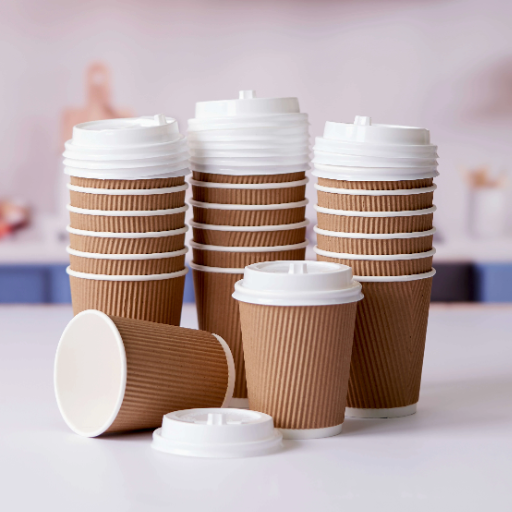
To make paper cups durable and waterproof, they often include a thin layer of plastic, such as polyethylene. However, because this plastic is relatively weak, it can degrade even in very low concentrations. Especially when hot substances are placed in these cups, a portion of the thin plastic coating degrades, resulting in the release of microplastic particles. These microparticles can penetrate the drink and circulate in the bloodstream. Apart from that, it may happen that they will find their way to the effluents when the waste cups are disposed of. Growing up, or rather improper decomposition of the cups, also increases the load of microplastic contaminants into the environment.
Coating Materials in Disposable Paper Cups
The coating materials applied to disposable paper cups are, in fact, designed by their method of application or methodology to affect the purpose of the cup, including retaining its stability, airtightness, and the ability to hold hot liquid, while also reducing the potential for heat stress to the paper. Polyethylene (PE) is the binder for LOCAL coatings, which is widely used by the majority, based on information from inside firms that produce such disposable products. Such chemical waxes account for up to 95% of the total global consumption of paper cups. The negative impacts of which, according to various reports, become serious. This is because once a polyethylene-coated cup is disposed of, it becomes difficult to separate the paper from the coating due to the polyethylene layer. This limits the possibility of recycling the PET containers, as it reduces more water than the required amount.
On this particular issue, it is inherent that other materials are being explored, in addition to polyethylene, such as polylactic acid (PLA). Polylactic acid is a bioplastic derived from plants and is suitably designed for this purpose. PLA has been introduced in the market examples and is advocated as a much better environmental alternative, hence it is biodegradable in industrial composting. The irony, though, is that the comparative study of PLA implies that, still, they are not disposed of anywhere, even in the sense of compost sites. Generally, they are not subjected to composting because they are largely contaminants in green waste bins. In such cases, they create CH4 in landfill gas, which is obviously a slight contribution to global warming.
Key Statistics
A study published in 2023 showed that only in the UK a vast amount of paper cups – approximately 2.5 billion of them are thrown away every year, with such a significant percentage still being polyethylene coated. Measures that follow regulations and employ more technological procedures aim to reduce this impact, such as developing water-dispersible spray coatings and creating plant-based materials that eliminate the need for plastic. As promising as these advances are, many are still in their initial phases and face challenges related to cost, scalability, and user acceptance.
The use of coating materials in disposable paper cups continues to raise serious ecological and public health concerns, urging the need for more sustainable manufacturing and waste management practices.
Heat and Usage of Hot Beverages
The choice of materials in designing disposable cups is not only about aesthetics and ease of handling, but it also strongly relates to their thermal performance. This is particularly important for individuals who prefer hot beverages over cold ones. Unfortunately, many of the compounds that help realize the desired thermos effect do not share the ability to decompose which is a big issue. Companies and organizations now have a wide array of ‘green’ options from which to choose. In due course, new and affordable insulated products will be readily available, but in the meantime, there are other types of sustainable cups. This is proof that the continuous increase in environmental concerns contributes to the development of greener items.
Quantities of Microplastics Released from Disposable Cups
When hot drinks are poured into disposable paper cups, at least polyethylene-coated cups, between 675 and 5984 microparticles are scattered per cup.
| Key Point | Details |
|---|---|
| Cup Type | Polyethylene-coated paper cups |
| Release Range | 675 to 5,984 particles per cup |
| Trigger | Exposure to hot beverages |
| Study Proof | Research on 90 commercial disposable cups |
| Health Risk | Ingestion of microplastics |
| Eco Impact | Adds to microplastic pollution |
| Alternatives | Reusable cups, Biodegradable options |
Environmental Impact of Microplastics from Disposable Paper Cups

The standard PVC coating on paper cups contributes to the pollution of these global spaces by exacerbating microplastic pollution. When waste is improperly disposed of, microplastics enter the soil, waterways, and oceans and act in opposition to the good causes. Plastics threaten ecosystems; these pollutants, when ingested, bioaccumulate in wildlife organisms and negatively impact health problems throughout the food chain. In contradiction to the hypothesis, paper cups should not be viewed as eco-friendly because they release microplastics, which necessitate an alternative in the form of reusable cups and biodegradable materials.
Contribution to Microplastic Pollution
The problem of microplastics appears to be worsening day by day. According to recent research indexed by renowned search engines such as Google, it is estimated that over 14 million tons of microplastics currently reside on the ocean floor. These small plastic particles, primarily originating from the consumer sector, pose an alarming environmental concern.
Single-use plastics, clothing fibers, and paper cups lined with plastic- these small plastic particles have once again become an issue. When released from various sources in marine environments, they disrupt biodiversity and provide avenues through which humans are put at risk due to compromised food and water sources. Fighting this menace should be a global effort, aiming to reduce plastic waste, build circular economies, and fund research into designing new materials with smaller environmental footprints.
Indirect Effects on Ecosystems and Human Health
Onto the next point, plastic bags and microplastics despite the most harmful consequences from, are primarily not connected with the mere presence of the materials in an environment. Thanks to the fact that tiny marine particles can get eaten up by the wildlife, sperging upwards in the food chain and getting concentrated in the larger seafood items and eventually human beings. Information from recent research by the United Nations Environmental Program suggests that more than 14 million tons of plastic manage to make their way into ocean ecosystems on an annual basis. This simply proves that not only aquatic areas get altered, but also more than a million sea creatures are killed, including various species of seabirds, dolphins, and turtles.
Additionally, when plastic decays, animals are exposed to some of the harmful toxins that can be found even in the food served at fast food restaurants, such as bisphenol A (BPA) and phthalates. As such, they can be slowly emitted into the environment, altering the composition within the soil and water bodies. These not merely harmful aspects affect the development of the human body, but gender distortions, impotence, and also carcinogenic effects have been demonstrated for plastic residues. It is difficult to prevent such unwanted effects without eliminating their causes, in such a case, action must be taken upon the whole, including the improving of waste management systems, scaling down plastic capacities and encouraging community engagement that is aimed at protecting the mother nature in an efficient way.
Safer Alternatives to Disposable Paper Cups

Reusable Cup Options
Eco-friendly cups have become the best option in recent years, as people make eco-efficient decisions. Individuals can find whichever cup is relevant to their social, work, or social norms:
Stainless Steel Cups
To begin with, stainless cups offer a good value for those who would like to have a cup that can handle extreme temperatures. They are also characterized by having layers of insulation that help keep heat in the cup.
Glass Cups
For those who prefer drinking from a clean and clear medium, look no further than glass cups. Glass cups are lightweight, safe as they contain no harmful substances, easy to use, and safe to clean; however, they are breakable when not used in holders.
Bamboo Cups
Additionally, Bamboo cups are manufactured with natural fibers of bamboo, thereby making it environmentally sound, biodegradable, and light in weight. There are numerous options with even cool features, such as bright colors that suit people’s tastes.
Flexible Silicone Cups
Last but not least are the flexible top cups. These are best for people who need to leave immediately, as they must be rolled up before being put in their bags or purses. Many people might think that’s great since the materials used in the cup’s construction are usually rubbery.
Ceramic Cups
The best cups for use at home or in the office are ceramic reusable cups as they provide an aesthetic and sturdy solution. Nonetheless, they do not keep the temperature as well as insulated cups might.
By trying out one of the options mentioned above, it is possible to find a cup that can be used as long as necessary and at the same time help create a more eco-friendly world.
Biodegradable and Compostable Alternatives
In these environmentally conscious times, individuals are seeking sustainable development, opting for biodegradable and compostable alternatives. Simply put, they are specifically designed to minimize their impact on the environment without leading to pollution or clogging landfills. While biodegradable substances tend to deteriorate after a period, thanks to microorganisms, compostable products not only deteriorate but also add value to the soil as well, through the process of decomposition. There are many alternatives, such as cornstarch, bamboo, or bagasse, that attempt to provide tight support for the attempt mentioned above, much as the eminent concern has been about compostable coffee cups and utensils. New search trends also indicate that consumers are increasingly interested in sustainable practices, as searches for the terms “compostable alternatives” and “environmentally friendly disposable products” have seen a significant increase. Utilizing these methods implies preferring manufacture, consumption, or trade that help meet the proposition of the circular economy and do not create adverse environmental externalities.
Tips for Reducing Reliance on Disposable Cups
Ditch Disposables – Go for Reusables
One can choose to enhance the effort of eliminating plastic cups (and other polythene) by opting for a paper cup instead, as an alternative diversion. Research and surveys have shown that 64% of the users of cups are willing to repossess cups provided for them. They existed, do not have, and are not interested in progressives.
Embrace the Use of Eco-Cups
Many hotels offer cheap rates to customers who carry their own mugs while they are enjoying their beverages. Over the past few years, it’s reported that 32% of the coffee franchises are discounting their products within a range of 10 – 25 cents with a view to promoting eco-cups.
Go for the Dine-In Option
Wherever coffee, tea, or any other beverage is served, the patrons have the option of using the coffee mugs or tea glasses from the restaurant instead of requesting for takeaways. It is theorized that having an optimum of 10% of customers using inhouse cups could save a coffee shop hundreds if not thousands of disposable cups a year.
Push for Green Practices in Business Operations from a Different Angle
Persuade local companies to alter their working system and start offering sustainable cups or services like a cup rental. Furthermore, it is indicated that about 78% of people would like to see the businesses they support go green.
Enlighten Friends and Family
In an attempt to propagate the change, there is the additional step of increasing the involvement of the people around by understanding the disposal cups’ risks and these steps exhibiting them. It is true that a society knowledgeable of its environmental rights causes a minimal waste situation and a higher use of reusable products due to the domino effect.
Research Sources and Scientific Evidence
1. Placental and Fetal Accumulation of Microplastics from Disposable Paper Cups
Authors: Qiong Chen et al.
Publication Date: August 14, 2024
Journal: Journal of Hazardous Materials, Volume 478
Key Findings:
- A moderate level of exposure, 3.3 cups a day, would be sufficient to alter the cecal microbiome, global metabolic functions, and immune health. (Chen et al., 2024, p. 135527)
- Tissue-specific transcriptomics monitored in maternal blood, placenta, and mammary glands showed such changes that were associated with risks for neurodegeneration and miscarriage. (Chen et al., 2024, p. 135527)
- Microplastics from disposable paper cups enriched the placenta and fetus, inducing systemic metabolic and developmental reproductive toxicities during pregnancy. (Chen et al., 2024)
- Possible health implications of DBA exposure by ingestion to humans are still a matter of scientific debate. However, an estimated safe limit of exposure during pregnancy was set to be 2 to 4 cups a day based on the benchmark dose framework analysis with molecular biomarkers.(Chen et al., 2024)
2. Evidence of Microplastics Release from Polythene and Paper Cups Exposed to Hot and Cold
Author(s): R. Samal et al.
Date of Publication: April 26, 2023
Journal: Journal of Hazardous Materials, Volume 454
Key Findings:
- This study has discovered for the first time that microplastics (MPs) can be released from polythene bags and paper cups when these materials are exposed to both hot and cold water for different time intervals. (Samal et al., 2023, p. 131496)
- Such released microplastics induced conformational changes in bovine liver catalase (BLC), a major antioxidant enzyme, by reducing its α-helical content. (Samal et al., 2023, p. 131496)
- Such a scenario reduced the activity of the enzyme and compromised its catalytic efficiency by nearly 1.4-fold. (Samal et al., 2023, p. 131496)
- The study, hence, proposed glass, porcelain, stainless steel, and high-grade plastics to be the “greener alternatives” to polythene bags and paper cups. (Samal et al., 2023, p. 131496)
3. Contaminants from Microplastics Generated by Disposable Paper Cups and Their Impact on Human Health
Authors: Biswajit Patra et al.
Date of Publication: 1 December 2024
Journal: LabMed Discovery (Patra et al., 2024)
Key Findings:
This work studies contaminants from microplastics associated with disposable paper cups and their consequences on human health.
Frequently Asked Questions (FAQs)
Indeed, it is very possible that certain types of paper cups contain microplastics in the form of plastic linings, which are primarily utilised over paper to prevent its destruction and cater for hot drink storage. The plastic liners are prone to wearing off and as a result they emit sub-micron to nano sized debris.
The identification of microplastics in paper cups can be performed using various sophisticated analysis techniques, such as optical microscopy and UV-Visible (UV-vis) spectrophotometry. Such methods are applied to search for the presence and estimate of microplastics embedded in the cups packaging materials.
Indeed, microplastics within tea is a matter of concern; as in the case of with tea bags or cups that may be emitting mw level microplastics into the liquid. Hot drinks of microplastics has in fact been found to exist as a risk factor for health.
The assessment of microplastic exposure is conducted through various researches such as those which find out microplastics contents in food and beverages, drinking water etc. In such studies, quantification of microplastics consumption would allow the estimations of exposure to the hazards.
Usually disposable tumblers are constructed from various plastics, including polyethylene for the inside layer, and other materials like polystyrene or polypropylene for shaping. Such materials if littered dollar for dollar may be the greatest contributors to microplastics in the environment.
There is a growing concern that these small pieces of plastic could cause health complications because of the irritation rather inflammation they cause among other health challenges. But, there are inquiries that too inched about the dangers of microplastics in humans up until now.
Plastics present in the disposable cups are released as microplastics when the cups are exposed in hot conditions such as serving of hot liquid. This involves breaking down of the plastic lining and the leaching of microplastics into the beverage.
Well, microplastics can be present in probably all disposable coffee cups, especially those in which a plastic lining becomes an additional feature for containing hot liquids. Surveys have also pointed out that completion of these disposable cups may often have microplastics in the coffee therefore the issue of safe consumption is raised.