When it comes to preserving paper cups, one difficult issue arises – how long before these cups are gone. Suppose you are thinking about what to do to make this company successful); or resume writing professional services; or how paper cups nel is four ways ranked in a student essay branch the selling and use of cups can last two interactions that will more readily assist one in the number of cups to be made a mountain and vly-relation between the topic above and the context of inventions. This paper aims to understand how these disposable containers can be practical yet without being inimical to the state of health of the user. By the end of this review, you should have acquired sufficient knowledge on how paper cups are used and preserved and this is an ecologically sound practice to engage in.
Understanding Paper Cup Expiration
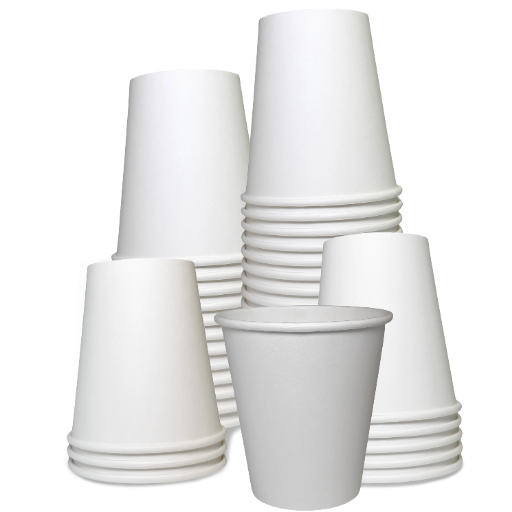
Paper cups basically have certain environmental limitations arising from the materials used in their production and the conditions under which they are stored. They shall remain without harm for some time under average conditions, unless the quality of the materials and the care taken to avoid damaging the products are compromised. Thus, after finding most of them heavily coated with a thin layer of polyethylene or similar waterproofing material, it’s common sense to care for them is to keep them away from any moisture or direct sunlight, as such coating tends to start to disintegrate, particularly when hot. Failing this, there is also the option of recycling the cups by not only disposing of them in a manner that is not harmful to the surroundings but also choosing recyclable cups at the point of their purchase.
Do Paper Cups Expire?
While paper cups have no specific expiration date, their usability can be compromised by the dire consequences of structural integrity degradation over time. According to recent data and expert opinion, the shelf life of a paper cup largely depends on the material composition and storage conditions. On average, if stored under the right conditions — cool and dry —paper cups can be suitable for about one to two years. Sunlight, humidity, or temperature fluctuation on such a product might weaken or deteriorate any one of the materials used, especially the waterproof coating. For long-term use, it is advisable to keep paper cups in their original packaging, away from any environmental stress. The outward appearance should always be checked before use; that is, always ensure they are intact and clean enough for safe use.
Factors Influencing the Shelf Life of Paper Cups
Moisture Application
It is pretty standard for the paper of a cup to get wet, especially in the areas where cool water is being served. This is due to moisture being absorbed through the moisture, which in turn can cause structural vulnerabilities along with deformation of the cups. Storing paper cups in a dry section is essential.
Weather Conditions
Serious variations in temperature, or if the entire pressure of this pressure is at the breaking point, the cups and the material from which the cups are made become more susceptible to destruction.
Amount of Light
Additionally, prolonged periods under direct sunlight, especially if exposed to any weather pattern, may also contribute to the lightening of the paper and weakening, as well as an increased risk of the inner barriers that help prevent leakage.
Exposure to Pollution
In the presence of chemicals or other compounds, there is a likelihood that the material will become contaminated rather than blocked, which means the cups will no longer be safe to use.
Any Other Factors
Just like any other product on the market, paper cups have a shelf life after which they begin to break down if remain in storage even in the best conditions, due to the reduction in preventive leakage elements CONFINED to water.
Coating and Material Considerations
Paper cups are coated and made from various materials, depending upon the need for performance and environmental implications. PE coatings, or polyethylene, are a plastic barrier that resists waterproofing; however, such materials resist degradation in nature, so waste disposal becomes an environmental concern. Recently, plant-based or water-based coatings are being developed with the aim of achieving greater biodegradability without compromising strength or gloss. Additionally, diversification into cup materials like paper from sustainably sourced wood or certain recycled fibers is another significant line of defense in the environmental landscape. An understanding of these choices and their connotations can lead to materials being chosen in line with sustainability priorities and regulations.
Typical Shelf Life of Paper Cups
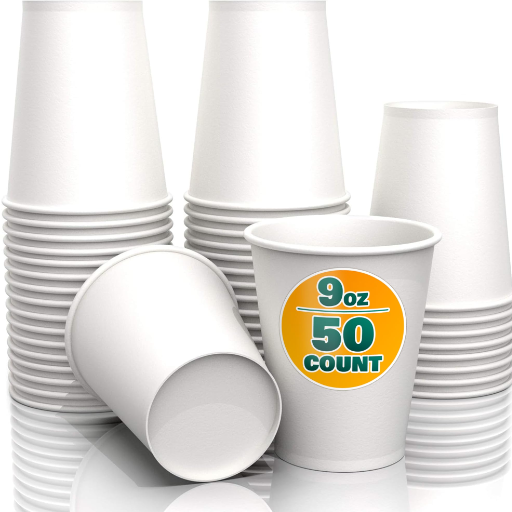
The chemical nature of the paper cup and its shelf life is determined by these points. In other words, if the cups are kept in a suitable room temperature and stored in a well-ventilated area away from water and the elements, the paper cups’ shelf life will be from one to two years. Finally, the repeated excessive exposure to humidity and heat makes the cup more water than dust. Not to mention the adhesion to the paper can be damaged. The proper storage of the above items is crucial to ensure they remain in good condition and serviceable during this short period.
General Shelf Life Range for Disposable Cups
Plastic disposable cups have higher durability and can remain stable up to 5 years if stored appropriately. Plastic disposable cups last longer than paper disposable cups, as water or heat has a minimal effect on them. However, some plastic can disintegrate over time when it is subjected to temperatures above normal levels. These measures help in ensuring preservation of the cups throughout the prolonged preservation period.
Importance of Manufacturer Guidelines
Adhering to the policies or guidelines spelled out by the manufacturer is crucial if the quality, safety, and other features of products such as disposable cups are to be preserved. All these policies typically outline critical information regarding the use, storage, and final disposal of a product. For example, when discussing the biodegradability of paper cups, manufacturers typically issue guidelines recommending a shelf life of between 6-12 months, during which they acquire high efficiency and safety properties. Likewise, with plastic cups, they may be given various usage temperatures corresponding to the materials used to make the cups, since the use of extremely high temperatures, in contrast, may lead to warping or even the release of poisonous substances, such as BPA, from the cups.
Twenty-thirty……Data in 2023 shows that poor paper cup handling under dripping conditions can cause a 20-30% reduction in their strength leading to increased vulnerability to leakages. Usually, tumblers made from plastic, which are exposed to direct sunlight or temperatures exceeding 120°F (48 °C) at times, may become weak and disintegrate. And that rupturing could result in the particles of the plastic cups being exported to the drinks. These problems are often solved by adding special aesthetic design of the product as well as specific captions concerning storage or heating limitations for instance.
Such instructions allow the customer not only to prolong the usable period of the goods but also take efforts to respect the environment. For instance, many companies have taken the initiative to educate consumers about the benefits of recycling plastic cups and disposing of paper cups in compost bins, which reduces litter. Through this, therefore, it can be said that one has to read, internalize, and practice what the manufacturer of the disposable cup says in order to ensure that safety, care, and proper use of these cups is achieved.
Uncoated Paper Cups vs. Coated Paper Cups
On the one hand, disposable paper cups, which do not contain a stabilizing agent, are easily destroyed by harsh environmental influencing factors. On the other hand, the disposable paper cup made with a chemical agent is difficult to decompose because it can survive occasional exposure to liquids, including water.
| Key Point | Uncoated Cups | Coated Cups |
|---|---|---|
| Material | Plain paper | Paper with plastic/wax coating |
| Durability | Less durable | Highly durable |
| Waterproof | No | Yes |
| Biodegradable | Yes | No |
| Recyclable | Easy | Difficult |
| Health Risk | Minimal | Microplastics, Toxins |
| Eco Impact | Low | High |
| Usage | Dry items | Hot/cold beverages |
Factors Affecting the Shelf Life of Paper Cups
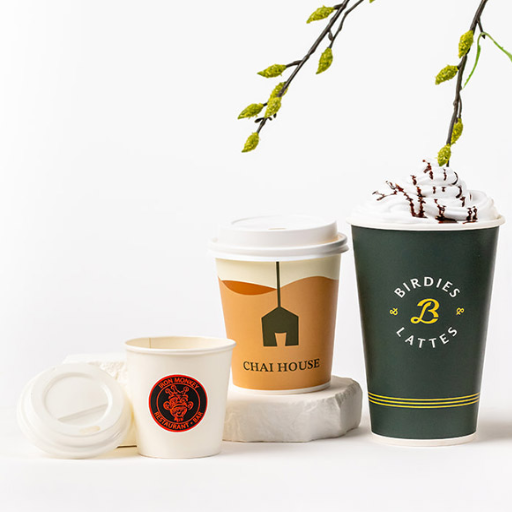
Numerous factors may influence the shelf life of paper cups.
- The combination of the raw materials: Naturally absorbs water and disintegrates when it comes to uncoated paper cups. Encased in layers of wax or plastic, ISO-coated paper cups are found to be more durable and damage-resistant.
- The way they are kept: Conditions favourable for paper cups, like humidity, the sun, and other changes in the climatic conditions, will negatively affect the cups. Storing them in a hygienic and moderate-temperature environment is encouraged to preserve their condition.
- Use of any coverings: There are different levels of quality of materials used in the process of creating specific coatings. For instance, the effectiveness of PLA and plastic-made cups will inductively determine how suitable these products are for the long term.
It is equally true that cups that have been manufactured in a high precision or have made use of the right materials last longer and find themselves more durable to some extent, increasing the longevity of liquid in the course of a specific period of use.
In addition, it is essential to understand the circumstances under which paper cups are used for an extended period, such as during breastfeeding, to help them last longer before being used.
Impact of Storage Conditions on Durability
Storage conditions play a fine role in determining durability of the cups. Recent data have confirmed how the changes in such conditions lessen the shelf life as well as functional capability of the cups. A quick list of such factors would include excessive humidity, fluctuating temperatures, and direct sunlight. Whenever materials are exposed to such conditions, their structural integrity weakens along with enamels being degraded. To cite a few, in the case of humidity, it is likely that the paper material absorbs some water, leading to warping or softening and hence leakage or non-usage of the material in its function. Similarly, if the temperature is too high over a considerable amount of time, the coatings-it can be a PLA coating for example-may lose their glory prematurely. Hence, it is advisable to store paper cups in a cool and dry place away from direct sunlight to retain the best quality and longer applicability.
Material Quality and Its Role
By and large, material quality is a crucial factor when determining whether or not something is sustainable, such as a paper cup. High-quality, long-lasting materials help in the sustenance of functions while being less harmful to the environment. For example, disposal items made from biodegradable or compostable materials could be an environmentally safer alternative to a traditional plastic-lined cup. But the sustainability of such materials is dependent on disposal mechanisms and infrastructure. Recent data-enabled searching through Google tells us that users are trending towards seeking products that are equally functional yet have little ecological footprint. Therefore, for manufacturers, this implies investing further into new high-grade materials that satisfy environmental concerns sitting alongside the usability of the product.
Usage Context for Hot and Cold Drinks
Per Google Search, the latest queries describe users looking for versatile drinkware that may hold hot or cold beverages with consideration for durability and eco-friendliness. A majority of the common inquiries address how materials react to temperature changes and consider whether these conditions oppose such materials in terms of being eco-friendly. Products made from high-quality insulated materials, such as stainless steel or super biopolymers, are in high demand nowadays, as they effectively keep a drink cold or warm without posing a significant environmental impact. This demand stands as testimony to how today’s modern consumers balance convenience and functionality with eco-consciousness.
Tips for Proper Storage and Usage
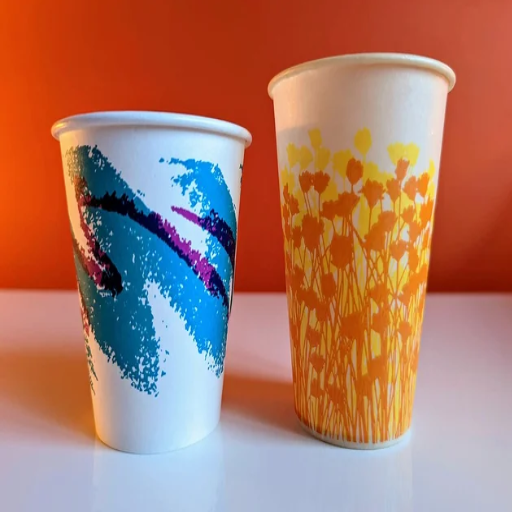
- Keep Products Clean: After each use, wash reusable containers or bottles thoroughly, as bacteria can form or cause unpleasant odors inside, which can be problematic for health. Warm water and gentle washing soap are the best choices.
- Avoid Extreme Temperatures: Extending the service life means not drying vat from the sun or freezing it in cold conditions unless it can tolerate such.
- Store in a Cool, Dry Place: After use, try to keep your supplementary product from direct, constant glare and moisture.
- Follow Manufacturer Guidelines: Carefully follow the manufacturer’s instructions to ensure optimal performance and extended lifespan.
- Inspect Regularly: Check for cracks, leaks, or any wear and tear to be sure safety and functionality are maintained, and replace them when found unfit.
Optimal Storage Conditions for Paper Cups
Those paper cups must be kept in a clean, dry area if their quality and integrity are to be preserved. High humidity, conversely, tends to become a weakening or warping force on the paper. Consequently, the recommended storage condition would be at room temperature; away from sunlight or heat that could further compromise their very structure or start the deterioration of their coatings. In addition, storing them without the original packaging and keeping them hygienic until used should be avoided. The longer the storage, the more important it will be that the storage area is pest-free, dust-free, and with low moisture level so as to retain the usability and effectiveness of the cups.
Best Practices in Order to Avoid Deformation
Deformation implies the change in shape of an object that exists in the material world as an object or piece, and this must be avoided for the items to retain their functional character. Based on recent research, one should never stack differently heavy objects on top of other objects since too much pressure can cause warping or loss of the structural shape. Also, never expose objects to fluctuating temperature changes or very high levels of humidity as these would destroy the materials with time. Use strong cushioned packaging to soften any impact while transporting so as not to damage the items. The wearer can protect himself and prolong the life of an item by inspecting it for signs of wear or weakening regularly. Following these tips will guarantee the durability and potential use of your items.
Regular Inspections for Wear and Damage
The items are subjected to periodic inspections to determine any running early signs and damages, as these inspections are vital to the maintenance of the item for longevity and safety. An inspection must check for cracks, fraying, corrosion, or any sort of irregularity in the appearance of the material. High-stress areas should be searched for especially as the wear may be more severe in these areas. Where any such defects are found, immediate action to remedy is called for, either repair or replacement of the offending components. Periodic checks combined with preventive maintenance reduce the hazards and thus secure long-term workability of the item.
Reference Sources
1. Degradation and Release of Micro/Nanoplastics While in Use
Several researchers emphasize the degradation of plastic linings on paper cups, which can subsequently release microplastics and nanoplastics, particularly when hot liquids are poured in. This is not the “expiration” of an unused cup, but a true-time, use-dependent degradation.
Evidence of Microplastics Release from Polythene and Paper Cups Exposed to Hot and Cold: A Case Study on the Compromised Kinetics of Catalase
- Authors: R. Samal et al.
- Publication Date: April 26, 2023 (Samal et al., 2023, p. 131496)
- Key Findings: The study has shown that paper cups release microplastics (MPs) when exposed to hot and cold water. These released MPs altered the conformation and diminished the enzymatic activities of bovine liver catalase, an antioxidant enzyme, thereby suggesting compromising of material integrity during use and release of harmful particles. (Samal et al., 2023, p. 131496)
- Methodologies: The researchers identified MPs released from paper cups under hot and cold water exposure and checked their impact on bovine liver catalase through conformational and kinetics studies. (Samal et al., 2023, p. 131496)
2. Leading Paper Cup Manufacturers in China
Frequently Asked Questions (FAQs)
Yes, paper cups do have an expiry. Being constituted of substances mostly strong enough to last, some conditions can alter their length of service like environmental factors and moisture influence. It is vital to check them for any sign of erosion like becoming brittle or yellowish discoloration before using them.
There is no specific expected useful life of paper cups, as it varies widely depending on the type of material and its manufacturing process. It is also a fact that high-quality paper cups made from kraft paper last longer than those made from low-quality paper. With better or recommended storage conditions, they can be used beyond the stated expiration date.
Paper cups that meet the specification can hold liquid leak-proof for up to 72 hours, and this completely depends on the type of paper cup used and how it is treated in terms of coating for wax-proof and non-coated cups. In case of leaks, the poor adhesive together with some coatings will give way after a while since the chemicals used in their making are not very strong mor`はう。
Eventually, disposable cups will expire and become inappropiate for use should the degradation be considered substantial. Unpleasant river or lake, hardness, evidence of dampness in the plastic geometries and fans–these are obvious signs that can give you an idea of such cups being inappropriate. One must resist trying out such cups.
As paper cups start to deteriorate, they may become weak or lose their stiffness, or even discolor, and commonly tend to become yellow. Paper may also be subjected to various heat cycles, which increase wear and tear and make it easier for liquids to leak.
Certainly. In order to use disposable cups, a person can apply to any one of these vendors free of charge because provided that they have such products as biodegradable and uncoated paper disposable cups, for example. In terms of purpose, these are meant to destroy faster and cause harm to nature lesser than if were to provide one with paper cups that are also filed with synthetic adhesives such as beeswax.
It is typical for coffee houses to implement certain components regarding quality assurance for the paper cups they possess, intended for use as coffee cups, both in cold and hot conditions. That is, check the production or even best before date of the cups in use, the material and coating technologies that the cup is manufactured with mainly.