Key Features to Look for in Disposable Bowls
Material Composition
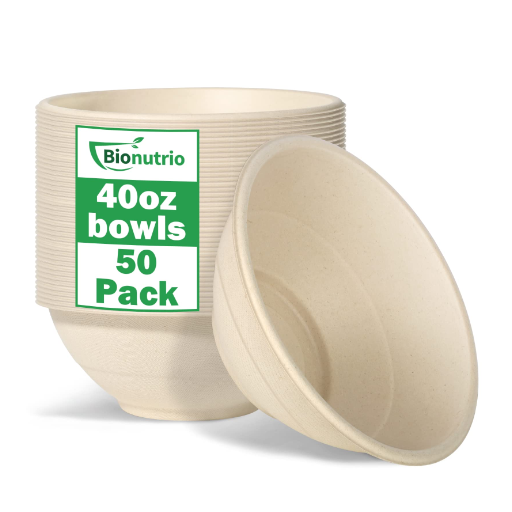
Choose sturdy bowls made from highly durable materials like thick paperboard or plant-based fibers. These are considered less likely to wear down. On the other hand, they are biodegradable or compostable, thus serving the taller cause of going green.
Heat Resistance
Bowls that can tolerate heat without any warping or breaking are the ones you want to go for in the kitchen. This ensures the safe serving of hot soup or warm dishes.
Leak-Proof Design
When having their soup with extra coating, the bowls will avert any leakage, making the whole dining experience pleasurable and devoid of mess.
Capacity and Size
Select bowls suitable to the size required for your servings. They come in sizes from around 12 to 32 ounces for different portions of soup.
Sustainability
Choose the goods labeled recyclable, compostable, or made from renewable resources so as not to leave much on the ecological footprint while holding onto their quality.
Pro Tip: Concentrating on these features should help in deciding upon a durable, trusted, and eco-friendly disposable bowl fit for any event of a hot soup.
Heat Resistance for Hot Soups
When disposable bowls are used for holding hot soup, the primary awork to be considered will be heat resistance for safe handling. Made of heavy-duty paper, polypropylene, or bagasse, the bowls have the heat application resisted and, thus, can lose their form or can even leak. Proper-function heat-retaining products should be preferred so as to avoid burns and to give longer retention to the soup as warm. Google search trend trends show that an eco-friendly heat-resistant option seem to be growing in popularity due to the functionality-sustainability dilemma that an environmentally conscious person would need to consider.
Durability of Disposable Soup Bowls
Investigation through Google for search data and product reviews links bagasse, bamboo, and solid cardboard as among the most durable materials. Being resistant to heat and moisture, these materials also have sustainable properties that are increasingly favored by consumers. Customers often search for solutions that can withstand such thick soups at high temperatures for a relatively long time without compromising the structure of the soup bowl. This data stresses the importance of soup bowls cultivated by high-grade biodegradable materials that stand for durability and go hand in-hand with environmental sustainability.
Eco-Friendliness and Material Options
Material is of utmost importance when choosing eco-friendly and sustainable bowls. Here’s a very detailed list of five common materials to adhere to environmental and consumer priorities:
Bamboo Fiber
Lightweight, durable, and biodegradable, bamboo fiber can be defined as a very sustainable alternative, considering how fast bamboo grows. These bowls can endure both hot and cold stuff being filled into them.
Palm Leaf
These bowls are entirely natural and fully compostable. Palm leaves that have fallen are collected, cleaned, heat-pressed, and shaped into a bowl without the use of any chemicals or additives.
Bagasse from Sugarcane
Bagasse, being a by-product of sugarcane processing, is an ideal material for making disposable yet biodegradable bowls. It truly resists heat, being sturdy enough to hold hot food.
Wheat Straw
Wheat straw bowls are made from the stalk that remains after separating the wheat grains. It is renewable and biodegradable and can be used with both hot and cold food.
Recycled Paper
This is yet another eco-friendly alternative that is versatile and abundant in supply. Making boxes or bowls from recycled paper is so easy, as they are lightweight and disintegrate rather fast after being discarded, thus lessening their environmental impact.
These materials present ecological benefits while offering functionality and durability that a consumer would either need or want.
Top Picks for Disposable Soup Bowls
The GreenVibe Sugarcane Bowls
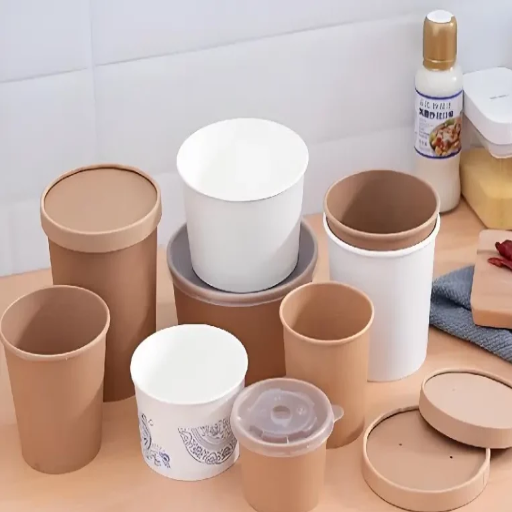
Made from biodegradable sugarcane fibers, these bowls are sturdy, microwave-safe, and compostable, making them ideal for hot soups and stews.
EcoChoice Compostable Bowls
These bowls are crafted from plant-based materials, making them sturdy and environmentally friendly. They suit eco-conscious consumers looking for a dependable disposable bowl.
World Centric Paper Bowls
Made with 100% recycled paper, these bowls are light enough to handle various types of soups yet strong. Certified compostable, they break down quickly.
BambooWare Soup Bowls
Made from sustainable bamboo, these bowls are heat-resistant and biodegradable, giving a natural option that does not compromise on function.
Dixie Ultra Extra Large Paper Bowls
Dixie Ultra Extra Large Paper Bowls are reputed for their durability and heavyweight meals. These bowls are made with patented technology that strengthens them against leaks and cuts, thus holding soups, stews, and heavier food items. They microwave safely, presenting an excellent option for reheating food. For those concerned about the environment, Dixie has endeavored to ensure that materials used come from sustainable forests, promoting serviceability along with conservation concern.
VIVOSPROUT Compostable Paper Bowls
VIVOSPROUT Compostable Paper Bowls are an environmentally friendly product, designed to satisfy the needs of environmentally conscious consumers. These bowls, made of 100% compostable material, will naturally weather away, thereby contributing to waste reduction in landfills. They are of good quality and will remain sturdy, holding both hot and cold food without leakage or premature breakdown. VIVOSPROUT bowls are perfect for anyone who wants to cherish sustainability yet require good quality and adequate performance.
Sugar Cane Fiber Bowls
Sugar Cane Fiber Bowls provide an innovative solution produced from bagasse, a byproduct generated during sugar cane processing. Such a material is renewable and fully compostable, meaning it is broken down into pure organic matter by chemical free toxic residues. These are heat resistant and sturdy bowls, secondary to being great food holders of soup, salad, and hot entrée. Since Sugar Cane Fiber Bowls consume agricultural waste, their net environmental impact is less than that of traditional tableware. Today, customers want to associate themselves with brands that adhere to social consciousness and environmental consciousness.
Benefits of Using Heavy-Duty Disposable Bowls
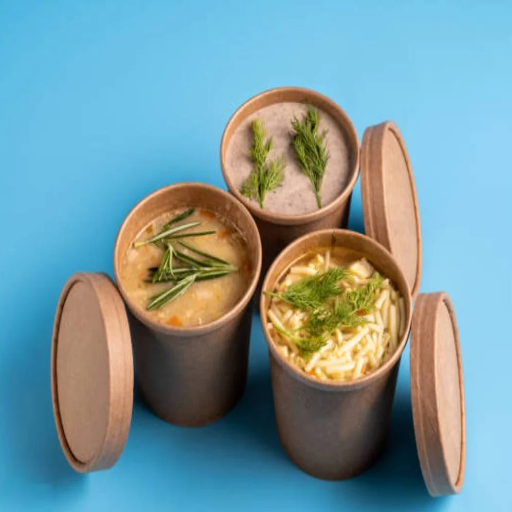
- Eco-Friendly: The term heavy-duty disposables refers to products whose manufacturing involves the utilization of biodegradable and compostable material, like sugar cane fiber, thus reducing landfilling and affecting the environment.
- Durable: They can hold foods at all temperatures from hot to cold with no leakage or cracking, in all ways fitting for any dish.
- Convenient: Being disposable, the bowels do not require washing, so less time needs to be spent in the kitchen.
- Safe: Free from chemicals that might be dangerous to their users, these bowls make sure that they are safe for their buyers and for the environment.
- Versatile: These bowls are suitable for all sorts of foods and occasions- suitability being key- from casual meals to formal events.
Convenience for Events and Takeout
Disposable bowls have brought an innovative change to the presentation of food at events or for takeout. According to market research news, the global disposable tableware market is forecasted to grow at a CAGR of 6.5% from 2023 to 2030, further substantiating its growing popularity. These bowls are prized for time efficiency, unlike the classical choice of washing, thus reducing cleaning time after the event and permitting caterers and event organizers to value their time for other arrangements.
Disposable bowls are the foremost choice for takeout and delivery restaurants to ensure the quality of food during transport. Research confirms that customers demand reluctance or strong packaging so that their food reaches them in a fresh and tender state. Furthermore, eco-friendly disposable bowls made from biodegradable or compostable materials lure customers who care about the environment. Thus, disposable bowls form the practical yet essential facet of today’s modern food convenience.
Reduced Cleanup Time with Disposable Soup Bowls
Disposable soup bowls save ample time needed for cleanup and prove to be an excellent option. As busy homes, catering services, and eateries continue to demand their share of customers, the search for time-saving kitchen gadgets has been growing steadily over the years, as per Google’s search trends. Consumers are looking for anything that will make life easier when cleaning after a meal. Disposable soup bowls fit right into this category as there is no washing involved. This ease of checkout turns out to be a blessing, chiefly for big gatherings or food takeout, since minimal time is spent in cleanup.
Environmentally Friendly Choices for Sustainable Living
Summary: With sustainable living, one has numerous options: reduce waste, conserve energy, utilize renewable energy sources, adopt a plant-based diet, conserve water, purchase eco-friendly products, and promote environmental friendliness.
| Key Point | Description |
|---|---|
| Waste | Reduce, reuse, recycle |
| Energy | Conserve, use renewables |
| Diet | Plant-based meals |
| Water | Minimize usage |
| Products | Eco-friendly choices |
| Transport | Drive less, bike more |
| Advocacy | Educate, spread awareness |
| Home | Green appliances |
| Travel | Avoid air travel |
| Gardening | Plant trees, gardens |
How to Choose the Best Disposable Bowl for Hot Soup
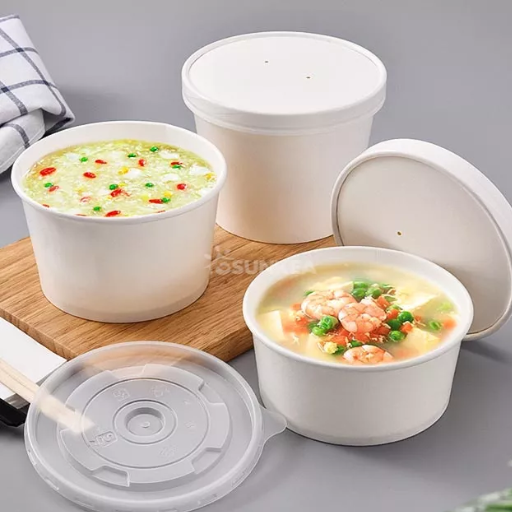
- Below are some factors you should keep in mind while finding the best disposable bowl for hot soup:
- Heat Resistance – The bowl must be composed of materials capable of withstanding a good heating condition, like heavy-duty paper or other environmentally friendly materials that can withstand being in contact with hot liquids without warping or losing their integrity by way of leakage.
- Durability – This will ensure that it is capable of holding the hot soup without collapsing or absorbing the soup just like a sponge.
- Eco-Friendly – One must go for the biodegradable or compostable option to lessen the environmental impact. Various certifications will approve their sustainability.
- Size and Depth- Choose something that has a size commensurate with the quantity of soup that will fill it.
- Lid Compatibility- There are certain bowls that prove handy for taking around with secure lids that prevent any spillage.
- The above factors, if considered, will help you find a disposable bowl that offers a perfect mashup of convenience, functionality, and sustainability.
Evaluating Portion Sizes for Soup Bowls
When deciding on the ideal capacity for a soup bowl, its consideration is given to the typical serving size of soups and the contexts in which these are served. A soup serving is generally considered to be between 8 and 12 ounces, with smaller bowls of around 8 ounces reserved for appetizers or lighter portions, and heavier servings or main-course soups in bowls of 12 ounces or more. Also, trace your types of soups-the cream-based ones may feel heavier than the clear broths, thus affecting portion size. Therefore, balancing utility and portion appropriateness would allow these bowls to serve their customers in many ways.
Disposal Material for Paper Soup Bowls
When selecting disposable paper bowls, highest regard is given to the material composition, which influences the performance, sustainability, and suitability for particular uses. Most disposable paper bowls usually are a combination of paper fibers and coatings like polyethylene or wax, with a coating on top for durability and against leakage. For some greener alternatives, one may seek bowls made from recycled paper; in the best case, bowls that the certification attests to being compostable (with plant-based coatings as opposed to petroleum-based coatings). Such materials break down more readily in composting facilities, thereby promising a lower environmental impact. Depending on whether it is used for hot or cold purposes, it should also be considered, e.g., for serving steaming soups or chilling desserts. This is intended to strike a balance between practicality and environmental considerations in making informed decisions.
Budget and Certification Check for Disposable Bowls
When it comes to disposable bowls, one has to compromise between cheapness and certified environmental-friendliness. Price consideration is a factor in every decision; nonetheless, bowls bearing the USDA BioPreferred, BPI Compostable, or FSC (Forest Stewardship Council) certification must meet specific environmental standards. The production of certified bowls typically involves conscientious sourcing of raw materials or their composting, thereby warranting sustainability. Being certified in some instances may give products a slight or modest premium, but such products are likely aimed at reducing waste in landfills and minimizing their environmental impact in the future. Pinning down the best price versus certification should be done online through top-rated vendors or sellers to narrow down the choices within one’s budget.
Reference Sources
- North Dakota State University (NDSU): Cooking in Small Spaces Using a Microwave Oven – Discusses the use of disposable paper products in food preparation and safety.
- FedCenter (Federal Facilities Environmental Stewardship): Reusable Food Serviceware Guide – Provides insights into reusable alternatives and the environmental impact of disposable products.
- PubMed Central (PMC): Disposable Food Packaging and Serving Materials – Explores trends in disposable utensils, including biodegradability and food safety.
- Leading Paper Bowl Manufacturer in China