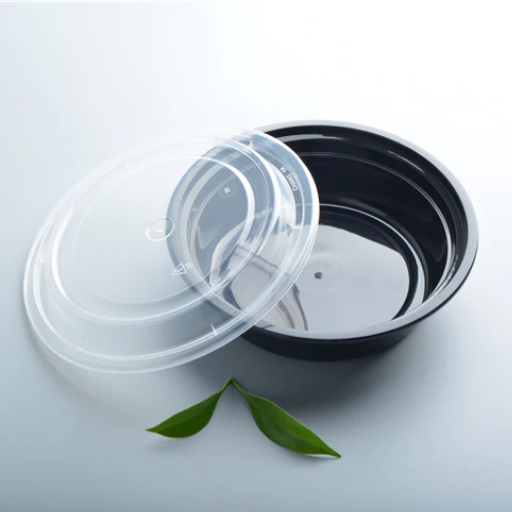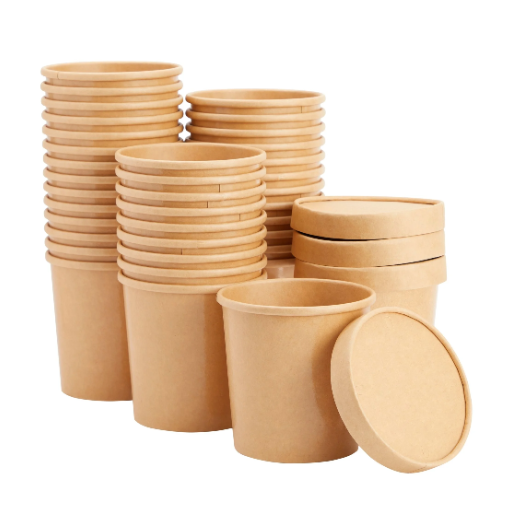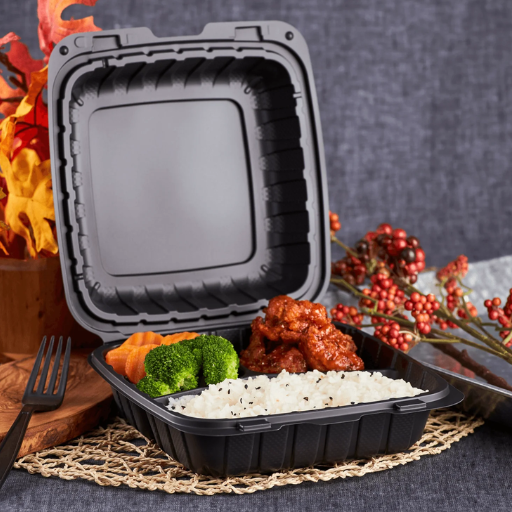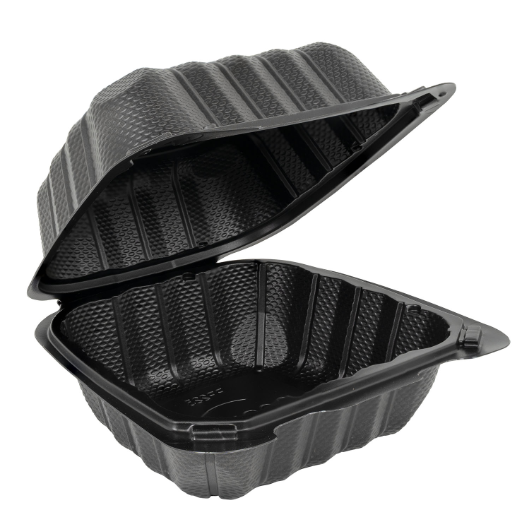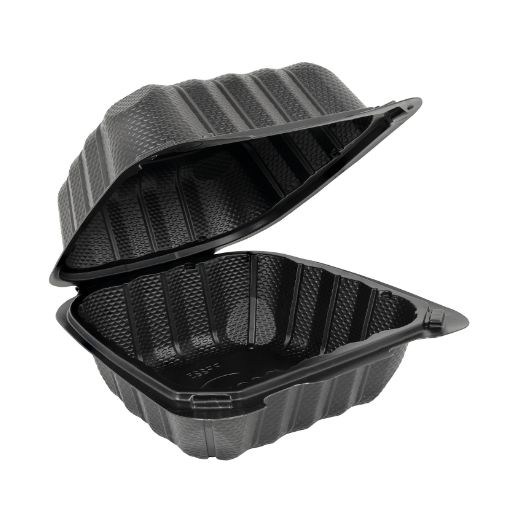
For food storage or take-out solutions that offer utmost efficiency and practicality, round disposable plastic food containers have gained favor among both commercial and household consumers. Whether it’s fast-paced restaurants, catering operations, or convenient ways to preserve leftovers or prepare meals at home, the containers seem to strike the exact chord for utility, durability, and user-friendliness. This post aims to explore the various uses and benefits of round disposable plastic containers, explaining why they have become the indispensable choice for fast-paced living. Discover their utility in simplifying food storage in ways that meet practical needs—from keeping food fresh to ensuring leak-proof transport.
Introduction to Round Plastic Food Containers
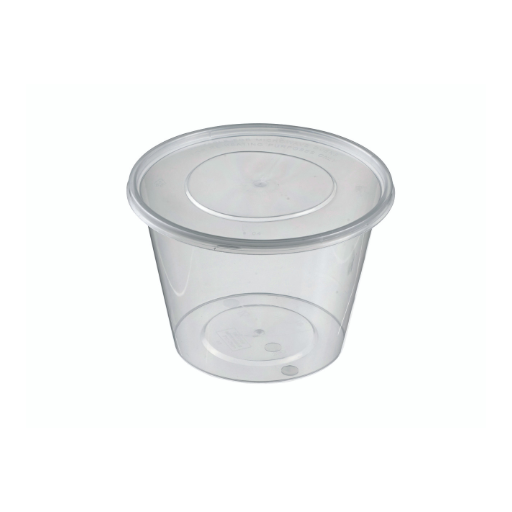
Being a convenient option, round plastic containers are often used in the storage and transportation of food. The container is designed to keep the contents fresh, prevent spills, and remain stable under various scenarios, including chilling and microwaving. Translucent and virtually unbreakable, these containers are a valuable commodity for cooking, refrigeration, or on-the-go meals. The round shape maximizes space efficiency while providing even storage for diverse food items, thus offering a versatile solution to everyday needs.
What are Round Disposable Plastic Food Containers?
Single-use round plastic containers are commonly made of polypropylene (PP) or other food-grade plastics to package and store food for consumer consumption. They may contain salads, soups, pasta, or desserts. Depending on brand preference, the uniform round shape makes them excellent for stacking and storage of some units, saving space, and ensuring stability. A majority of these hampers will be microwave safe or freezer safe, depending on whether they will be used in reheating food or preserving it for a long time. In addition, the tight-sealing lids ensure that no liquids escape from within, making them an ideal choice for both personal and commercial use, such as restaurants, catering businesses, and meal-prepping enterprises. Sustainability trends are increasingly reflected in choices that incorporate recyclable or biodegradable materials, catering to the eco-conscious consumer.
Benefits of Using Disposable Plastic Containers
Disposable plastic containers offer the advantage of being lightweight and easy to grip and carry in the hands of consumers, whether on the go or by businesses. It obviates the need for cleaning, thereby saving time and effort, among other benefits.
These plastic containers are often more cost-effective than their reusable counterparts, especially for one-time use, such as during events, takeouts, or food sampling. When businesses buy in bulk, they receive them at a lower cost.
This type of disposable plastic container is designed to keep foods as fresh as possible by sealing them tightly against air, moisture, and other contaminants; therefore, they are best suited for storing leftover foods or for food transportation.
They are sturdy and resistant to breakage; the containers come in various shapes and sizes to accommodate different types of food, from soups to salads, and from desserts to entrées. Some even are microwave-safe, thus fully expanding their versatility.
Whenever stringent levels of hygiene conditions must be observed, such as in hospitals or during a pandemic, disposable plastic containers minimize the risk of cross-contamination as they are manufactured for single use and can be easily disposed of once they have served their purpose.
Overview of BPA-Free Options
As BPA was on the list of health risks, plastic containers labeled as BPA-free found themselves in demand. These containers are produced with various alternative materials such as polypropylene, polyethylene, and Tritan, all of which are allegedly innocuous and do not leach harmful chemicals into food or beverages. In other words, BPA-free containers are the safer choice when it comes to storing and heating food, especially for families with children or people with heightened health consciousness. Additionally, these products are available in numerous styles and sizes, ensuring no compromise on efficiency. Therefore, consumers should look for labels and certifications bearing the “BPA-Free” label when purchasing any plastic container, to support informed, health-conscious choices.
Types of Round Plastic Food Containers
Microwave-Safe Containers
Meant to withstand high temperatures, these are ideal for reheating food inside a microwave without warping or releasing harmful chemicals.
Freezer-Safe Containers
Since these are made of rigid plastic, they are suitable for freezing food because they resist cracking under low temperatures and also help maintain the food’s freshness for a longer period.
Airtight Containers
Closures seal off air from entering the container, thereby keeping food fresh and retaining its flavor.
Stackable Containers
For convenience, these containers save on space, making it easy to organize in a kitchen because they can be stacked.
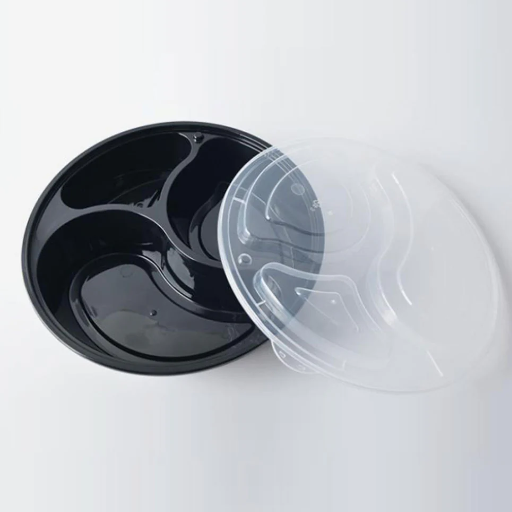
Portion-Control Containers
These containers have compartments or pre-measured sizes, perfect for meal prepping and portion size management.
Each container type has its unique features to meet specific storage and organization needs. Always go for BPA-free food storage.
Sizes of Round Plastic Containers
Perfect for single servings, soups, sauces, or small portions
Ideal for salads, sides, or a couple of servings of snacks
Great for larger meals or family-sized portions
When considering size selections for round plastic containers, dimensions of 16oz, 24oz, and 32oz are among the most popular options, as they are highly versatile. One 16-oz container holds small quantities; think of it as a store for soups, sauces, or single servings. A slightly larger option is a 24-oz container, which works very well for a salad, as a side, or for a couple of servings of snacks. From this perspective, 32-oz containers can keep larger-sized foods or meal preparations for a big family. Such containers maintain flexibility for a wide range of food storage needs, while also offering excellent durability and user-friendly features. Select your sizes based on your portioning and storage requirements.
Microwavable Round Disposable Containers
Microwavable containers, which are round in shape and disposable, are gaining popularity due to their ease of use and multipurpose functions. With such containers, users can easily store, heat, and carry meals away, all without the need for extra dishes. These containers are made from microwave-safe, powdered material to ensure the safety and optimal functioning of the containers when exposed to heat. They are more suitable for meal prep, wherein portions can be easily stored with neatness and certainty. Being disposable makes for an easy cleanup, although many are recyclable or reusable, depending on the material. These containers strive to fulfill the technical requirements while considering the environment, thereby contributing to the growing demand for an eco-friendly and efficient food storage system.
Clear Plastic Food Containers
Clear plastic containers for food are typically designed to keep hot foods safe, but it is essential to consider the type of plastic used. Such BPA-free or food-grade polypropylene containers (corrugated with a #5 recycling symbol) are treated to be safe within an upper-limit temperature resistance. Please check the manufacturer’s instructions to determine if a container is microwave-safe or safe for exposure to high temperatures. Exposing them to prolonged heat, even brief exposure to excessive heat, will likely lead to the release of undesirable chemicals into the packaging. These kinds of conditions require high-grade options with certifications to resolve. Safety and convenience being a priority will guarantee that.
Features and Design of Disposable Plastic Containers
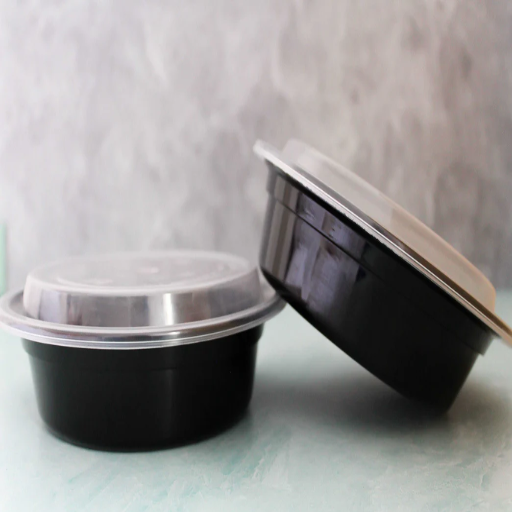
Disposable plastic containers are made for utility and convenience. They are light and, therefore, easy to carry and store. Many containers are designed for stacking to optimize the storage space. Almost always transparent, these containers allow users to identify the contents without opening the lid. In some cases, it comes with lids that snap very securely, preventing them from leaking or spilling their contents, thus ensuring the safe storage of food or other items. Another consideration is that many disposable plastic containers are recyclable, therefore allowing environmentally sound disposal practices. This array of features makes it almost a perfect product for personal and commercial uses.
Importance of Lids for Food Storage
Lids prevent air from entering the container, and therefore are considered to have a high contribution to maintaining food freshness and safety while quality is being delivered. From a standing position, the airtight lids provide an air barrier that would otherwise enter the container, causing oxidation or spoilage. The Food and Agriculture Organization (FAO) report states that approximately one-third of all food produced worldwide is discarded, with improper storage often being a significant contributor to this waste. Well-sealing containers with strong lids, therefore, can reduce waste by increasing the shelf life of perishable items.
Lids serve as a first line of defense against external contaminants, such as bacteria, dust, or pests, thereby ensuring that food can be stored in conditions suitable for human consumption. One good example is a study published in the Journal of Food Science, which highlights that food stored under securely fitted lids has a 30% lower chance of being subject to microbial contamination compared to food stored without proper sealing. In addition to preventing leakage and spills through snap-on or locking lid designs, these features also enhance the convenience of transporting and storing food daily.
New technologies in lid design are entering the market, including silicone sealing and venting systems that enable microwave reheating directly in the container with minimal mess. A high-quality lid thus ensures food stays fresh while contributing to sustainability by reducing food spoilage and waste. For this reason, containers are clearly labeled with functional and dependable lids, suitable for both home and commercial use.
Compartmentalized Round Containers for Meal Prep
Compartmentalized round containers have revolutionized meal preparation by offering a neat way to portion and store meals. With multiple compartments, these containers help keep different food groups separate, allowing each item to maintain its integrity, flavor, and texture. Latest Google Trends research indicates that searches for “best meal prep containers” reflect a growing interest in reusable, microwave-safe, and BPA-free options. These containers serve a fast-paced lifestyle and empower people to eat well, at least without resorting to a ton of single-use packaging. Durable yet flexible, these containers are an ideal choice for both veteran meal preppers and newbies.
Take-Out Containers: Convenience and Functionality
When it comes to take-out containers, convenience is undoubtedly paramount for consumers. According to the latest data from Google’s search engine, frequent queries such as “eco-friendly take-out boxes” and “biodegradable food containers” highlight a growing shift toward sustainable packaging options. These containers not only ensure the secure transportation of meals but also offer an option for considering environmental factors in waste disposal. At present, restaurants and food service providers are utilizing compostable and recyclable materials to meet customer demands while being practical for everyday use and considering environmental friendliness. Be it the ability to withstand high temperatures or being leak-proof for soups and sauces, today’s take-out containers are adapting themselves for convenience and sustainability.
Applications of Round Plastic Food Containers
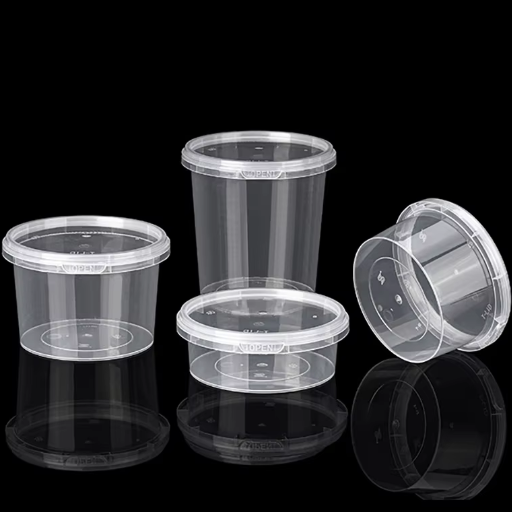
Round plastic food containers are all-purpose containers used widely across many sectors. Some of their respective utilities would be:
- Food Storage: Leftovers, fresh produce, and meal preparations are stored in these containers because they have lids that close securely and designs that allow for stacking.
- Take-Out and Delivery: Often, restaurants pack items like soup, stew, salad, or other food in these containers to keep them fresh.
- Meal Portioning: Well-suited for splitting meals into exact amounts for diet-related or convenience reasons.
- Freezing and Reheating: A significant portion of these containers are designed for freezing and microwave reheating, making them suitable for long-term food preservation.
- Non-Food Storage: For organizing and storing miscellaneous household items, such as craft supplies, hardware, or office materials.
These containers focus on usability, durability, and convenience: traits that make them a necessity for individual and commercial use.
Using for Deli and Soup Storage
Deli and soup containers are essential for storage to preserve freshness and prevent spills. Typically, contemporary deli and soup storage containers come with airtight lids to retain flavor and prevent spills during transportation. Another consideration regarding production is that most products without BPA ensure safety for consumption. Recent data put much interest on containers that are stackable and freezable, representing a favor for space-efficientiveness and keeping soup-or-deli-items-for-long-time ability. Depending on these combinations, choosing the best container for you could significantly enhance convenience in storage and, most importantly, ensure food safety.
Take-Out Solutions for Restaurants
On the basis of the latest Google data, one of the most common queries has been, “What are the best take-out containers in maintaining food quality during delivery?” Inherently, the best containers strike a proper balance among durability, insulation, and environmental benefits. Transfer heat to keep the food warm without creating water condensation on the lid and sides, rather than losing heat. This applies to all types of hot food. For fresh and cold items, containment should be airtight and leakproof to guarantee freshness. Another significant trend is environmentally sustainable packaging, including compostable or biodegradable solutions. Such brands that pursue eco-packaging meet consumer demands and support goals being targeted by the entire big package industry, thereby carving out a name for themselves.
Home Food Storage and Organization
Efficiency and accessibility are key considerations when planning household food storage and organization. According to news trends in Google search data, people often ask, “What are the best ways to store food for longevity and freshness?” One answer would be: they must use an ensemble of airtight containers, a refrigerated zone, and perfect organization. Dry goods, such as grains, nuts, and spices, fare well in airtight glass or BPA-free containers. Refrigeration zones should also be segregated according to temperature; for example, dairy and meat should be placed in the coldest areas, while fruits and vegetables should stay in the crisper drawer. Labeling items with their expiration dates and implementing a “first in, first out” system for those concerned about food waste will ensure that resources are used in the correct manner. In the pantry, stacking bins, tiered shelves, and clear containers will provide quick visibility and easy access. These methods, therefore, extend food shelf life and reduce the time spent sorting out the evening’s dinner and clutter.
Choosing the Right Round Plastic Container
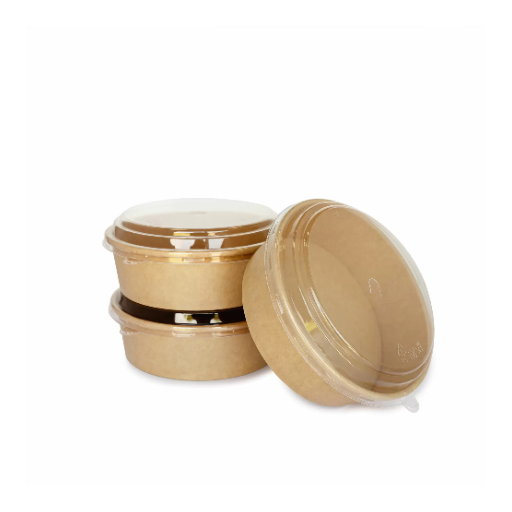
In choosing a round plastic container, remember its intended purpose and consider some points, including:
- Size and Capacity: Containers should be able to hold the quantity of food or items you want to carry without excessive space. Being smaller leaves less room for items.
- Material Quality: For long-term use and safety, BPA-free plastics are preferred.
- Seal and Lid Design: A good container has an airtight lid, which prevents spilling while maintaining the freshness of the contents. The snap-leads, or twisting ones, also work well.
- Temperature Resistance: The container must withstand temperature fluctuations, whether used in a freezer, microwave, or dishwasher, as required.
- Stackability: Cleaning goes even better when containers stack in shape! Select a container that stacks neatly in your pantry, fridge, or storage area.
Matching these details with your needs provides a container that will offer utility and dependability.
Factors to Consider When Selecting Disposable Containers
Disposables should be scrutinized for features that help meet your requirements most effectively. Here are five things to consider:
- Materials: Use environmentally friendly and recyclable materials, such as biodegradable plastic or paper, to minimize the environmental impact.
- Durability: It must be able to contain the contents without breaking or tearing, especially when handling heavier items and liquids.
- Seal/Closure: Must be well sealed with snap-on lids or airtight lids to prevent items from spilling and food from losing freshness.
- Size and Capacity: Container sizes must correspond directly to the portioning needed so that unnecessary material and space are not wasted.
- Heat/Cold Resistance: Can it withstand the required temperature for freezing, heating, or storing food without warping or releasing chemicals?
The right decision must be made by carefully considering these criteria about the practical need and environmental context.
Comparing Different Types of Plastic Food Containers
As with the various kinds of plastic food containers, the big types consist of Polypropylene (PP), Polyethylene Terephthalate (PET), High-Density Polyethylene (HDPE), Low-Density Polyethylene (LDPE), and Polycarbonate (PC).
| Type | Durable | Reusable | Microwave | Freezer | Eco | BPA-Free | Common Use |
|---|---|---|---|---|---|---|---|
| PP | Yes | Yes | Yes | Yes | Moderate | Yes | Storage, meals |
| PET | Moderate | No | No | Yes | High | Yes | Drinks, takeout |
| HDPE | Yes | Yes | No | Yes | High | Yes | Milk jugs |
| LDPE | Moderate | Yes | No | Yes | Moderate | Yes | Bags, covers |
| PC | Yes | Yes | Yes | Yes | Low | No | Bottles, dishes |
Environmental Considerations and Recycling
Plastics for food containers mainly contribute to waste production. Hence, it is essential to practice sustainability in this regard. Surveys indicate that only about 9 percent of all plastic waste is ever recycled, while the rest is disposed of in landfills, incinerated, or released into the natural environment. Choose plastic food containers made from commonly recyclable plastics such as PET or HDPE.
Further alternatives to single-use plastics include purchasing durable, reusable options to reduce waste. The better the cleaning and sorting before recycling, the more eager a recycler is to turn that plastic into a new product. The numbers on plastics also provide information; for example, containers with numbers 1 and 2 are mostly recyclable, while others may require special facilities. Acting out of such environmentally aware considerations, the individual thus decides on application and welfare.
Reference Sources
- Portland State University Solid Waste Assessment Report – This investigation examined the environmental impact of disposable food containers.
- Food Packaging: A Learning Cycle of Activities – This document examines the role of food packaging in modern lifestyles and its year-round availability.
- Envisioning a World with Less Plastic: The Feasibility of the Reusable Takeout Container System – The report examines the environmental benefits of reducing single-use plastics.
- Leading Disposable Food Container Manufacturers In China
Frequently Asked Questions (FAQs)
Round disposable plastic food containers enjoy versatility and are commonly used to pack takeout food, store leftovers, prepare meals, and serve at parties. Liquids or any food requiring a tight seal would be chargeable for these whenever.
Yes, many round disposable plastic containers are microwave safe to make heating the customer-friendly option. Always check for such labeling on the packaging.
Yes! Virtually every kind of plastic food storage container, including round disposable ones, will come with a lid, so that the food stays fresh and secure during storage or transport.
A good range of sizes is manufactured for disposable plastic round containers, including 8 oz., 16 oz., 24 oz., and 32 oz., so it is very easy to select the right container corresponding to the particular food storage needs.
Many of the round plastic deli containers will undoubtedly be freezer-safe, allowing you to store or freeze food for long periods without worrying about depreciation in quality. Always check for freezer safety on the product’s label.
Some round disposable plastic food containers do have the air-tight lids to keep the food fresher by preventing the entry of air and moisture inside.
Typically, round disposable plastic containers are made from BPA-free plastics so that they can be used safely for storing food. Such material is lightweight and equally durable. It can also be recyclable.