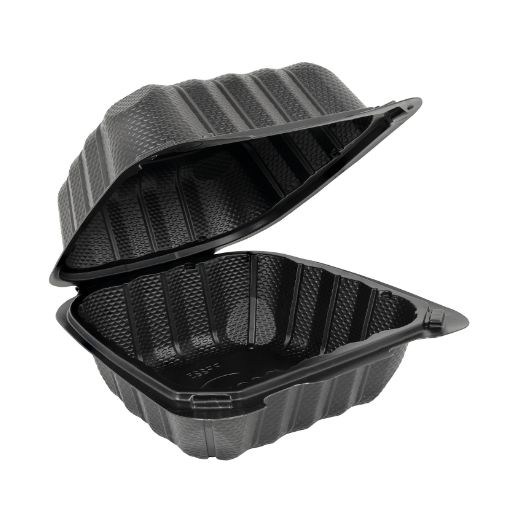
Plastic containers are a staple in almost anyone’s kitchen. The utmost advantage of the containers remains in storing leftovers and prepared foods, in organizing pantry ingredients, for that matter. However, after having served for a long time, these ordinarily looking products start to wear and develop problems, possibly even health hazards, if they are not replaced at the appropriate time.
So before bidding farewell to your old Tupperware and proceeding to buy newer sets, this complete guide will walk you through some signs worthy of consideration. From cracked lids and stains to sets that might put food safety into question—the whole gamut has been covered so that you can tap into kitchen solutions that work well, sustain themselves, and keep your family safe for your family’s next meal.
Understanding Plastic Food Storage Containers
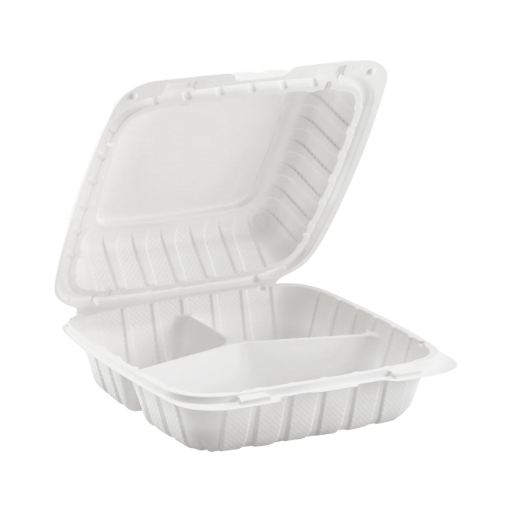
Food containers are plastic boxes meant for storing, preserving, and carrying different kinds of food materials. Commonly, they are made out of some flexible and light materials such as polyethylene and polypropylene, respectively, and exist in many shapes and sizes. In some cases, these containers are equipped with an airtight lid to keep the food fresh and avoid spills.
Types of Plastic Used in Food Containers
Food containers commonly consist of various plastic types, each with unique properties and safety considerations:
| Plastic Type | Features | Common Uses | Safety Rating |
|---|---|---|---|
| Polyethylene | Flexible, lightweight | Bags, wraps | ✅ Food-safe |
| Polypropylene | Heat-resistant, durable | Microwavable containers | ✅ Food-safe |
| Polystyrene | Lightweight, disposable | Disposable containers | ⚠️ Limited use |
| Polycarbonate | Durable, clear | Bottles, jars | ⚠️ Avoid heat |
| PET | Transparent, recyclable | Beverage bottles | ✅ Food-safe |
| HDPE | Strong, chemical-resistant | Milk jugs, containers | ✅ Food-safe |
Common Brands and Their Features
Tupperware
The original brand name is associated with food storage and is recognized for its high-quality plastic containers, which feature special construction elements such as airtight seals and liquid-proof seals. Tupperware strives for environmentally friendly materials and modular storage systems for neat storage.
Rubbermaid
Noted for their reasonable price and ability to get work done. Made of stain-resistant materials, the containers can be reheated in the microwave, making them ideal for preparing meals and reheating leftovers. Many designs have lids that stack to save space.
Pyrex
Synonymous with glass containers that allow longevity of storage solutions that resist staining and odor. Their glass containers can also work just fine in an oven, making them great for cooking, reheating, or any food-related task, all while using just one container.
Glad
A heavyweight name when it comes to lightweight and cheap, short-term solutions for storing food and buying a meal on the go. Interlocking lids and stackable designs provide great compact storage.
Identifying Safe Plastic Food Containers
Safe plastic food containers carry specific markings that indicate their safety for food storage:
- Recycling signs: Numbers 1, 2, 4, and 5 inside the triangle are usually safe for food contact.
- BPA-free labels: Indication that the container doesn’t contain Bisphenol A, which may pose some health hazards.
- FDA compliance: Purchased articles comply with the FDA standards on food safety.
- Microwave- and dishwasher-safe labels: Indicate durability and safety under heat treatment.
Warning: Any plastic container that shows signs of aging, such as cracks or questionable discoloration, should never be used to store chemicals.
Signs That Your Plastic Containers Need Replacement
Regularly inspecting your plastic containers is essential for maintaining food safety. Here are the key warning signs:
Visual Damage Indicators
- Cracks, Splits, and Chips: Any visible crack or breakage suggests that the cracks can sometimes cause bacterial infection in the food stored inside.
- Warping: After a single round of microwave or dishwasher cycle, it will be no longer a safe container to be stored in.
- Deep Scratches: Surface scratches can harbor food particles and bacteria; therefore, even if we thoroughly clean a container after use, it may still contain imperfections.
Hygiene and Safety Concerns
- Lingering Stains and Odors: Despite careful cleaning, stains and odors persist, indicating plastic degradation.
- Missing Labels: Labels that confirm the container is microwave- or food-safe may have worn off; in these cases, the container should be replaced.
- Container Age: Older containers may not comply with safety standards issued at a later date, especially those manufactured before stringent standards were implemented.
Assessing Food Safety in Plastic Containers
Recent research is causing concern in some quarters with regard to plastic food packaging and the potentially harmful chemicals that are set free if containers are too old, damaged, or when exposed to heat and acidic foods.
How to Check for BPA in Your Food Storage Containers
- Check the recycling codes: Those labeled with the number “3” (vinyl) or “7” (for other materials) may contain BPA.
- Look out for a BPA-free catchphrase: Many manufacturers have started to put this explanation on the front.
- Research the manufacturer: They may have safety information on their website, or you could find an answer through a search engine or by contacting them directly.
- Choose brands with a good reputation: Select brands that prioritize transparency, safety, and adherence.
Best Practices for Reusing Plastic Containers
Safety Guidelines
- Inspect for damage: Look for cracks, scratches, or warping before each use.
- Wash thoroughly: Use warm, soapy water, and ensure all containers are completely dried afterward.
- No extreme temperature: Despite being usable for stir heating, do not microwave if not labeled microwave-safe.
- Limiting reuse of single-use plastic: These plastic containers just don’t last very long: water bottles, takeout containers.
- Appropriate usage: If reusing plastic containers, keep them only for food storage purposes alike.
Are Plastic Takeout Containers Safe for Reuse?
Here are some pointers to reuse takeout containers safely if they are correctly handled:
- Recycling codes: #5 (polypropylene) containers are generally sturdier with heat resistance.
- Avoid #1: #1 (PET) containers are usually single-use and deteriorate with repeated use.
- Look for safety labels with phrases such as “Microwave-safe” or “Dishwasher-safe.”
- Inspect for wear: Avoid containers exhibiting cracks, scratches, or clouding.
- And finally, certain foods with high oil or high acid content can speed up plastic breakdown.
Alternatives to Plastic: Glass and Ceramic Options
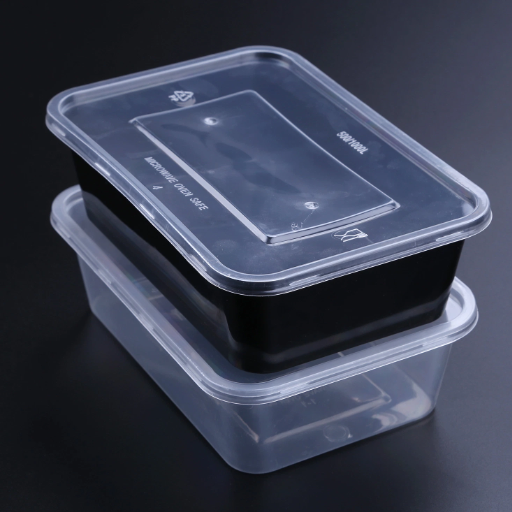
Glass and ceramic containers offer several advantages over plastic:
Benefits of Glass Containers
- Non-porous surface that doesn’t absorb odors or stains
- No harmful chemical leaching like BPA
- High recyclability with lower environmental impact
- Safe for microwave, oven, and dishwasher use
Benefits of Ceramic Containers
- Excellent heat retention for food presentation
- Microwave and oven safe
- Aesthetically pleasing for serving
- Durable with proper care
Cleaning and Maintaining Your Plastic Food Storage Containers
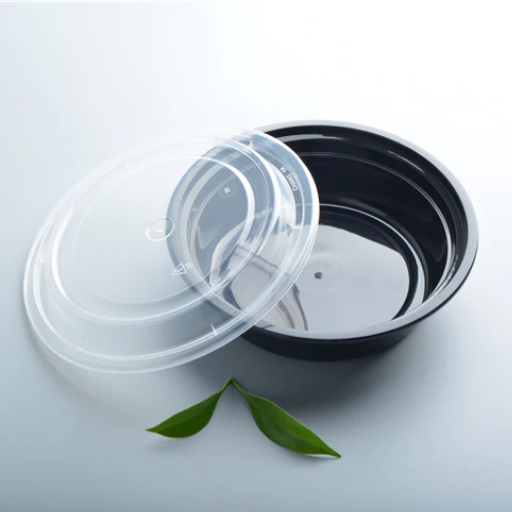
Proper Cleaning Steps
- Handwashing: Use warm, soapy water with a soft sponge or cloth
- Avoid Harsh Chemicals: Skip bleach and strong chemicals that may weaken plastic
- Remove Stains and Odors: Use a baking soda paste for stubborn stains
- Complete Drying: Air dry or wipe with a clean towel to prevent mold
- Regular Inspection: Check for cracks or warping during cleaning
Dishwasher Safety Guidelines
Dishwasher Tips:
- Look for dishwasher-safe markings on containers
- Use “top-rack only” placement when specified
- Choose BPA-free, high-quality, food-grade containers
- When in doubt, hand-wash to avoid damage
Microwave Usage Guidelines
Safe microwave practices for plastic containers:
- Only use containers labeled “microwave-safe”
- Avoid containers with metal parts or aluminum
- Use microwave-safe covers to prevent splattering
- Allow steam to escape during heating
- Let containers cool before handling
Tips for Long-lasting Container Durability
Maintenance Best Practices
- Gentle Cleaning: Use mild soap and avoid abrasive scrubbers
- Temperature Management: Avoid rapid temperature changes that cause cracking
- Proper Storage: Don’t overfill, and use protective padding when stacking
- Regular Replacement: Monitor for wear and replace when necessary
Frequently Asked Questions
How often are plastic food containers to be replaced?
Plastic food containers should normally be replaced every 2 to 5 years, depending on the usage and maintenances. Washing a lot, high temperatures, and more acidic food all care to degrade the plastic with time.
What are signs that containers (should) be replaced?
Does taking care of plastic containers make them last longer?
Yes, having your container cleaned and sanitized on a regular basis will prolong its life. One should, however, look at BPA-plastic containers and prevent very high temperatures from application since breakdown would occur over time.
Are plastic containers microwave-safe?
What types of plastic are considered safe for food storage?
Some food-grade plastics are safe: among them are polyethylene and polypropylene. One should also be sure to buy BPA-free containers to avoid any threats to human health.
When should I recycle old plastic containers?
Reference Sources
- “Heavy metal risk of disposable food containers on human health.” (2023) (Zeng et al., 2023, p. 114797). This study estimated the levels of heavy metals in leachate from disposable food containers. Key findings suggest that chronic exposure to nickel and beryllium might pose a carcinogenic risk, and that using these containers at high temperatures could increase the risk of metal exposure. The methodology involved analyzing leachate samples to determine the levels of various elements and assessing potential health risks.
- “Migration of heavy metals from disposable food containers to food and potential health risks” (2025) (Shourove et al., 2025). This paper investigates the migration of heavy metals from disposable food containers into food and assesses the associated health risks. The methodology is not detailed in the provided abstract, but it likely involves experimental measurements of metal migration and risk assessment calculations.
- “CO2-mediated thermal treatment of disposable plastic food containers” (2023) (Jung et al., 2023). This study explores a CO2-mediated thermal treatment method for disposable plastic food containers. The methodology involves using CO2 during thermal treatment and analyzing the results. Specific findings are not detailed in the provided abstract.
- Leading Disposable Food Container Manufacturers In China