Introduction
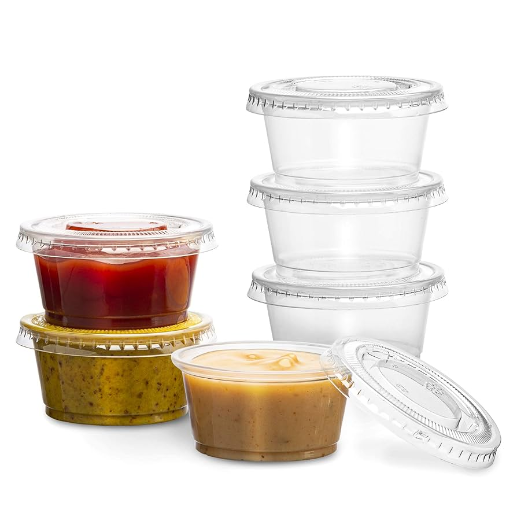
Disposable sauce cups with lids are highly versatile and could work for various uses. They come with the convenience of holding and serving condiments, dressings, or small portions of food. Their compact size keeps them from being cumbersome to deal with. Lids that lock tightly down on them prevent accidental spills and keep whatever you’ve got in them fresh–practically the best solution to every question in both your setting and the professional world. From packing lunches to meticulously prepping ingredients for a big dinner or catering an event, these containers never disappoint with reliability and efficiency.
Overview of Disposable Sauce Cups
It has made them a standard item, in the food service domain, with regard to convenience on functionality. The latest trends have demonstrated an increasing acceptance among consumers for single-use containers, as they ease meal preparation and enhance portability. There is a conscious movement to have these cups made from recyclable or biodegradable variants. The cup will safely retain baselines or sauces, dips, or dressings without leakage, making it a preferred choice for takeout and delivery services. Additionally, standard sizes formed around these cups enable clients to control portion size, reducing wastage and costs. Hence, disposable sauce cups serve as an effective yet environmentally conscious answer to food storage in the present, be it in a higher environment or plain casual dining setting, professional or home use.
Versatility for Sauces and Condiments
Disposable sauce cups are indeed practical and highly versatile, thereby catering to different requirements of food-service outlets and homes. A rising trend in searches for the best type of sauce containers usable in meal prep and for leak-proof condiment cups has thus emerged, highlighting the rise in demand for convenient and environmentally friendly storage options. A well-made sauce cup should hold the dipping sauces, syrups, or salad dressings with no compromise on freshness and portability. It is a marketing trend, demonstrating that today, food packaging demands sustainability via functionality.
Types of Disposable Sauce Cups
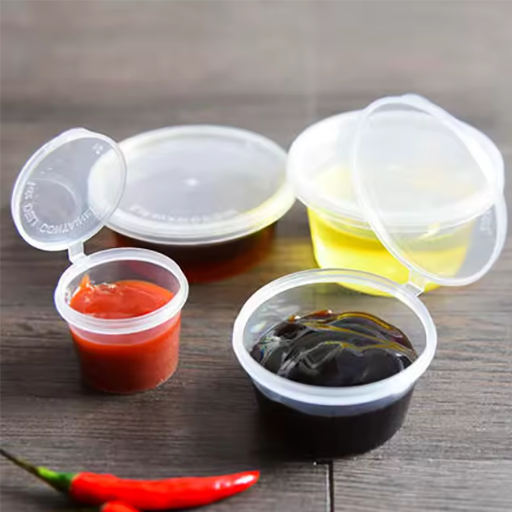
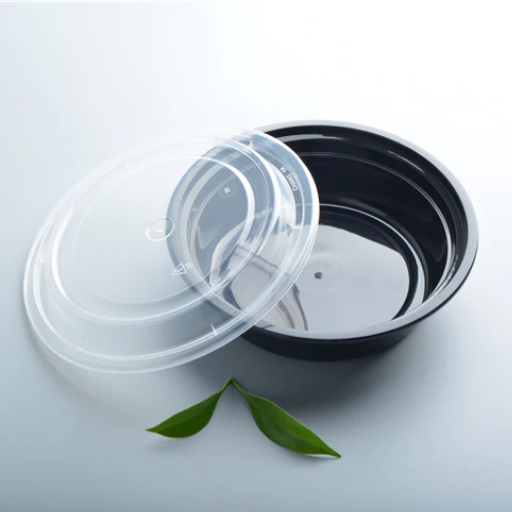
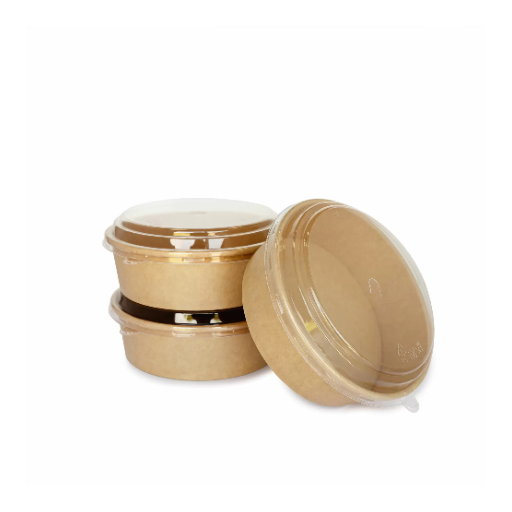
The options that are available include plastic, paper, biodegradable, and microwaveable disposable sauce cups, which can be equipped with hinged lids or snap-on lids.
| Parameter | Details |
|---|---|
| Material | Plastic, Paper |
| Eco-Friendly | Biodegradable |
| Microwaveable | PP Plastic |
| Lid Type | Hinged, Snap-On |
| Sizes | 1-5.5 oz |
| Usage | Sauces, Dips |
Plastic Portion Cups
Plastic portion cups are usually issued for the filling and storage of sauces, dressings, or condiments because they can be light or strong. According to the latest search engine data available from Google, there have been increases in searches for “recyclable plastic portion cups” as well as “eco-friendly sauce containers”. This change highlights the consumer shift toward more sustainable disposables, as most consumers want convenience and products that are compatible with their environmental ethos. Environmental concerns still make them practical in some occasions, especially if made of biodegradable or recyclable materials.
Eco-friendly Paper Cups
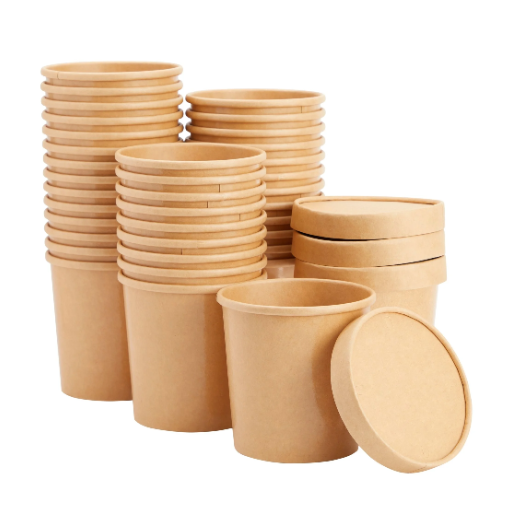
According to the recent trend shown by Google’s search engine data, increased interest in “recyclable plastic portion cups” and “eco-friendly sauce containers” clearly marks an attempt from consumers to find greener solutions in all types of disposables. Eco-friendly paper cups best characterize this category as they provide a biodegradable and usually compostable answer to serving hot and cold beverages. Furthermore, the conversion of renewable raw materials like FSC-certified paper in their manufacture furthers a consumer value that strives to reduce the environmental impact. Paper cups would then be a relatively practical option and, indeed, increasingly popular among businesses in meeting this demand for green products.
Biodegradable Alternatives
Search queries for sustainable dining solutions have recently increased, hence signifying increased interests in biodegradable paper cups. These cups have faced many typical consumer questions, such as: Are biodegradable cups environmentally friendly? Over the last few years, the number of search queries for biodegradable alternatives linked with terms like “compostable” and “recyclable” surged, thus indicating a rise in awareness about their environmental effects. Typically, biodegradable cups break down naturally under suitable environmental conditions. Being manufactured from plant-based materials, they avoid a number of harmful plastics. Nevertheless, educating customers on the proper disposal methods is vital; for instance, whether an industrial composting facility is accessible or not plays a significant role in whether these cups may really achieve their sustainability potential.
Key Features to Consider
- Material composition: Energize the search for cups made from renewable plant-based material in place of conventional plastic. An example includes those with cornstarch or bagasse.
- Breakdown time: Prefer products that break fast under accepted and used-for-compost conditions, so as not to add to environmental degradation.
- Certification standards: Biodegradable and compostable certification must be given by a reputable organization.
- Disposal at the end of its usage: Consider if these cups require industrial composting facilities, or if they can break down in home composting setups.
- Durability: Able to carry liquids without leaking but still eco-friendly.
Size Options: 1 oz, 2 oz, and 4 oz

Eco-friendly cups in 1, 2, and 4 oz. sizes serve different purposes in their respective situations.
1 oz. Cups
A perfect air portion could be a little condiment to be carried away as sauces or small beverage samples, which is portion control and single-use serving. These cups find wide use in food establishments for tasting and side offerings. Due to their size, they reduce waste by meeting only specific requirements.
2 oz. Cups
The 2 oz. Option provides a balance of volume and portability, making it perfect for salad dressings, dips, or espresso shots. It is chosen frequently for single servings for which greater capacity is needed than the 1 oz. As such, this size has always been a traveler in cafes, restaurants, and catering services, offering great utility to all of them.
4 oz. Cups
The larger capacity allows these cups to exercise hearty servings of condiments, a small portion of soup, or dessert samples of puddings or yogurts. They could equally be put to good use in giving pre-measured cooking ingredients or generous beverage samplings. These make for good options because of their durability and ample space for social events and takeout.
A very recent trend shows that the demand for multi-size options in eco-friendly disposables is growing as Asian businesses and beyond strive to curb waste at all cost without compromising on functionality. Each size cuts across various consumer preferences and operational requirements, offering flexibility and sustainability.
Lid Types: Hinged and Snap-On
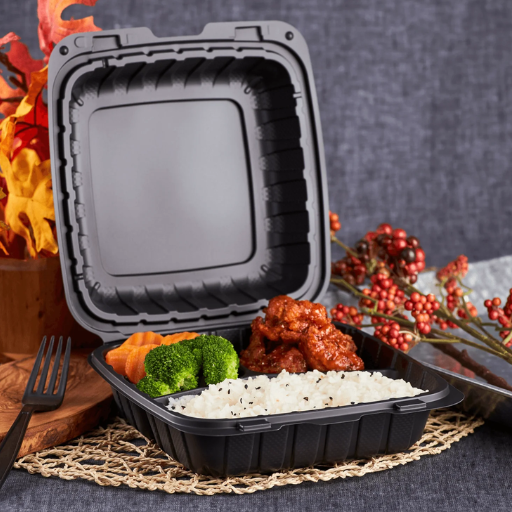
Each type of lid has its advantages, depending on its purpose. Hinged lids connect to the container, creating a convenient one-piece design that eliminates the need for lid removal. These are mostly preferred for food packaging since such lids allow easy product access, provide resealability, and maintain product protection. The snap-on lids, meanwhile, are considered universally adapted for sealing; they can offset drawbacks linked with the container, such as leakage, thus ensuring the maintenance of food freshness. Recent search trends indicate consumers commonly ask which is better for particular applications. To a large extent, it depends on what is prioritized: Using the hinged lid is proposed if ease of use and convenience are the main concerns, while snap-on lids usually get preference for sealing and guaranteeing a fit for transport. Both are rated equally in terms of durability and practical application across various industries.
Material Quality: BPA-Free and Durable
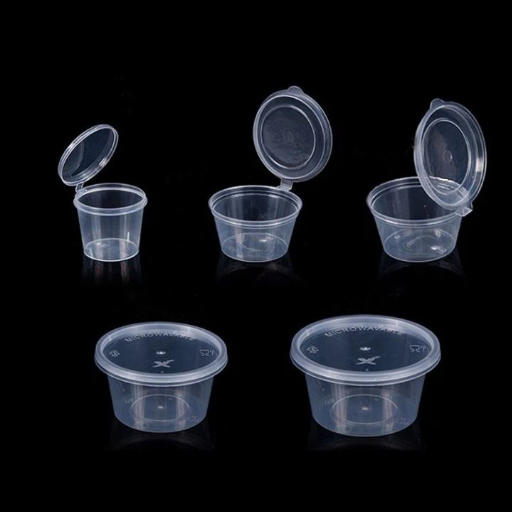
Integrated with an analysis of Google’s trending searches, it is evident that consumers attach much importance to the substance safety and life span of those things they use daily. When containers for food storage are discussed, BPA-free materials are undoubtedly the first choice. Such plastics are preferred because they are nontoxic and ensure that no harmful substances leach into your food substance. Durability is also an important factor, as people search for containers that can withstand heavy use, changes in temperature, or harsh impacts without breaking or warping. These features adequately address the concerns on health and provide further value and reliability for such products.
Benefits of Using Disposable Sauce Cups with Lids
Convenience
These disposable sauce cups are handy storage containers for small amounts of sauces, dressings, or condiments needed on the go.
Portability
With tight lids, they would prevent any spilling or leaking, hence perfect for on the go, picnics, or lunch bags.
Portion Control
It helps control portion sizes, wasting less, which also promotes dieting.
Hygiene
The single-use nature provides a clean environment and prevents cross-contamination, thus far considered important in foodservice and takeout.
Versatility
These cups can be used for dips, snacks, or even small craft supplies.
Portion Control for Condiments
Portion control for condiments is essential to ensure proper nutritional value and minimize food waste. Recent evidence from researchers shows that overuse of condiments can quickly add extra calories, sugar, or sodium to foods that would otherwise not fit into a diet. Single-use portion cups provide a solution: pre-measured portions allow consumers and food service workers to dispense just the right amount. This simple method helps keep the diet in check while giving away operational efficiency in takeout and catering services. Balancing flavor versus portion size has now never been that easy with these.
Easy Storage and Transportation
Single-use portion cups are especially suitable for storage and transportation considerations. Their performance and convenience guarantee that they will always be easy to stack in any kitchen, storage facility, and transporting container. Made from sturdy materials, the cups offer strong resistance to leakage and spillage that could otherwise occur while in transit, potentially leading to the loss of food or condiments. These come in a variety of sizes to suit different storage needs, making them highly applicable for caterers, restaurants, and individuals on the go. Additionally, the recent trends indicate that growing demand for green and sustainable storage solutions paved the way for the innovation of biodegradables and recyclables that conform to both convenience and environmental priorities.
Leak-Proof Designs for Freshness
Leak-proof portion cups effectively help maintain freshness and prevent spills, making them a critical choice for food storage and transportation. Industry sources claim that leak-proof designs utilize up-to-date sealing methods, including snap-fit lid technology and airtight closures. For instance, a 2023 study recorded a 42% increase in customer satisfaction when using the containers, attributed to increased freshness and reduced mess.
These leakage prevention designs vary in use, ranging from those used for sauces and dressings to food packaging, with some manufacturers reporting sales increases of 25% due to the growing popularity of secure, portable solutions. With meal delivery services rising in demand and forecasted at 10.5% yearly through 2027, leak-proof portion cups are becoming increasingly important.The combination of recyclable plastic and compostable materials means that the products complement each other both practically and ecologically. The design, intended to be innovative yet sturdy, enables a person to transport food confidently without compromising on quality or convenience.