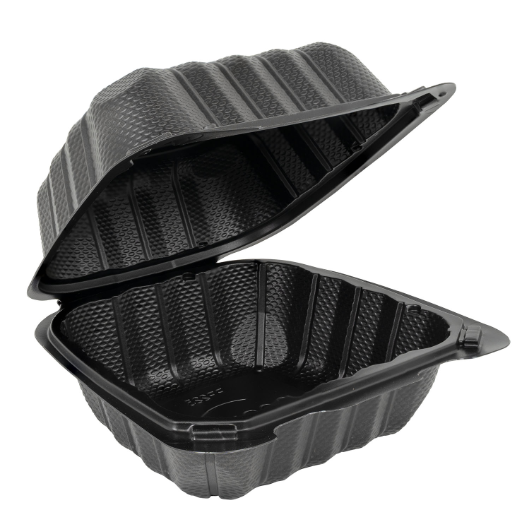
Do you like cooking? Thanks, eating out or preparing the meal in advance, the correct consumption that fits in the diet could be very crucial. A frequently asked question is, “How many fluid ounces is in a sauce cup?” Trying to pour a delicious sauce over the salad you love very much, pour the marinade into your food or just observing the amounts of food to be consumed, a standard sauce cup size can be very beneficial in all these situations. The objective of this post is to study the issue at hand: sauce cup volume and how you can be better equipped with catering for its concerns. Prepare yourself for an adventure that will illustrate how observing even the finest details can contribute to increasing the enjoyment of the culinary experience!
Introduction to Sauce Cups
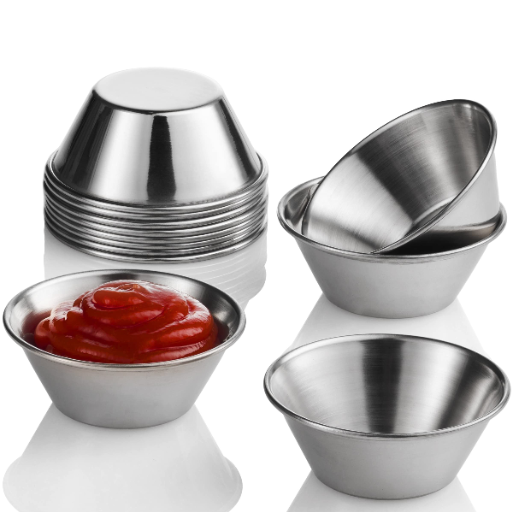
Sauces, toppings, and seasonings are typically provided in restaurants packed in identifiable containers that can be easily transported to the intended area, using dispensers. Kitchen essentials such as nuts, meat or cheese more likely than not get prepared in advance and are kept aside in a dish ready for use in the kitchen. Bars and restaurants desirous of having such food and drink heating equipments normally have them installed across their dining areas to appeal to the customers.
Overview of Sauce Cups and Their Uses
The role of sauce dishes in culinary practice has changed significantly because the application has become pervasive with various improvements. Thus, in recent months, predictive-number analytic insights suggest there has been a major diversification in the behaviors with the most search volumes towards portion based eating and environmentally friendly food services. Furthermore, they are also of use within most diets which are described in the earlier section where we shall the focus is made in weight management which also in part reduces complications in food preparation recipes. In some particular functions, these equipment make the meal look more refined whenever dressings and dips have to be used. Such dishware is currently popular and these factors help in maintaining the above concept at the modern trend of ‘green’ eating.
Importance of Knowing Sauce Cup Sizes
The knowledge of serving sizes of sauce cups, goes a long way in making the dining experience favorable and increasing efficiency in the kitchen. A four-ounce cup is the largest and 1 ounce is the smallest sizes for such for instance. Smaller sizes such as 1 and 2 ounces are suitable for presenting single servings of dressings, sauces or condiments which in turn promote the portion control and lessen the wastage of food. However, bigger sizes of 3 or 4 ounces seem to be the most famous ones as they are used mostly for sauces on the main course or shareable among families.
Recent trends have caused increased focus on portion control in the food service industry given the fact that more and more people are watching their weight and counting nutrition value. For instance, through one paper by the National Institute of Health, it is indicated that beyond anything else, incorrect proportion sizes can escalate calorie intake. The use of sauce cups partly resolves the problem, enabling enterprises to provide reasonable quantities that are medically beneficial.
Furthermore, the presence of defined sizes in sauce containers in food service establishments helps in uniformity in the control and accounting of inventory. According to studies conducted by specialized food firms, serving food correctly to achieve good portion control can result in up to thirty percent of food costs being saved. But that also includes using the appropriate sauce cup. Both help sustain the business and reduce running costs. This is because the operation of a company cannot be a place where you lose your own money.
Standard Sizes of Sauce Cups
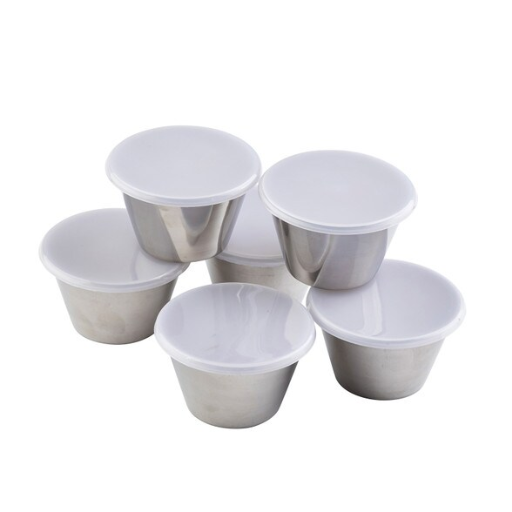
Sauces are usually served in standard components that are made in different sizes for personal needs. They are usually available in the following sizes:
| Size | Volume | Best Use |
|---|---|---|
| Small | 0.75 oz | Ideal for Small Portions |
| Small | 1 oz | Common for Single Servings |
| Medium | 2 oz | Most Popular Size for Sauces |
| Medium | 3.25 oz | Standard volume for sauces and toppings |
| Large | 4 oz | Multiple people sharing, accompanying meals |
- 1 oz – Practical mini serveware for items like mayonnaise and other similar types of dressings.
- 2 oz – It works perfectly for slightly bigger salads, such as dipping and other types of sauces.
- 3.25 oz – It is not particularly spacious and is often used as the standard volume amount for sauces and toppings.
- 4 oz – Another proper size, especially when multiple people share a dish, and require their dip, and have a sauce accompanying the meal.
With such portion divisions, it is possible to emphasize the importance of cost, standard, and the management of food distribution across different clients.
0.75 oz: Ideal for Small Portions
The 0.75-ounce portion is also ideal for managing smaller quantities of dips, sauces, and condiments to keep food costs in check, and works well for portion control of single-serving items. Currently, within the market context, this portion aligns with the prevailing trend of mindful consumption and alternative solutions at the extremes. A survey by Google has recently shown that in the fast-food system, more and more people appreciate the fact that various portion sizes can now be purchased. Such as the preference for picking particular aids, and as a consequence, one is able to construct a low-carb, high-protein, low-fat pizza with extra vegetables. Hence, we resort to finger food and especially antipasti, a delicious Italian meal without hot dishes, which consequently diminishes the daily amount of calories intake.
1 oz: Common for Single Servings
With the recent information from Google, a serving size of 1 oz is suitable for many food services and foods. This is the single-serving size that many customers are opting for, which neither affects their appetite nor hampers their health. Customers are drawn to this size as it helps them reduce their food portions, serving the purpose of being mindful while eating, while also saving food at the same time. This closely aligns with current food and eating concepts, such as healthy dietary restrictions, which are currently trending and undergoing digitalization.
2 oz: The Most Popular Size for Sauces
The size of 2 ounces and its application in various sauces within the food rendered the admixture of Google searches ideal. So, why does this size repeatedly rank as the most popular choice for the sauce portion in the catering industry? There is a justified opinion on why this size is acceptable, and why one and only one 2-oz food portion shall always be the perfect solution in most restaurants. A two-ounce serving of the same level dipping sauce is simply out of customers ‘ reach, as there is no more left of it. This applies to the above-mentioned sums of ketchup and mustard, and the much richer content of the beginner’s king size. It tastes great, not overpowering, and without needless water. On these, one can use nearly all the sauce, without wasting or spilling it. Yet, most of the people prefer a little sauce, a cup of sweet dressing with honey, rather than a very big, thick, and nice-tasting sauce. This fact suggests that people tend to prioritize self-control and satisfaction at moderate levels.
Materials Used in Sauce Cups
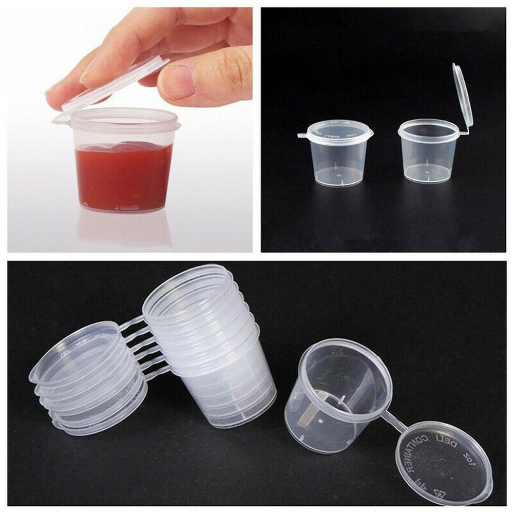
Sauce cups are often made from different materials, for example:
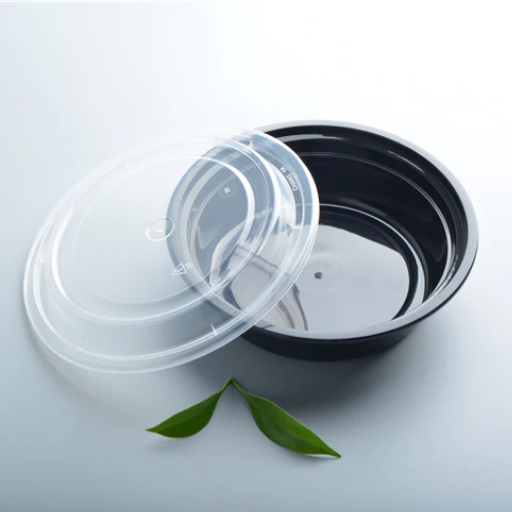
- Plastics: Most of the time, they are manufactured from polypropylene or polystyrene, as these materials are strong, lightweight, and affordable. More often, they are made for one off use.
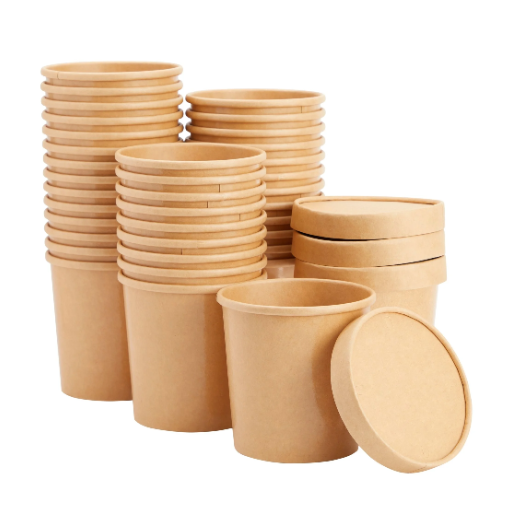
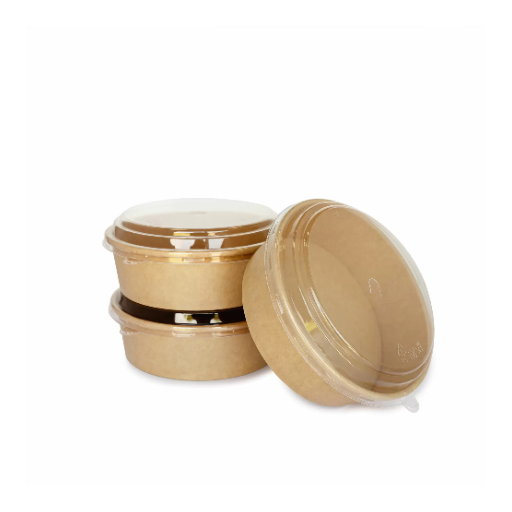
- Paper: When discussing eco-trendy sauce cups, these are typically made from vegetable oils or Juice, available in coated or wax-coated paper cups that possess the desired characteristics.
- Aluminum: A Client who wants a more durable version of sauce cups will opt for the aluminum one. This theory is primarily practiced in a construction setting, or any place focused on elegance.
- Biodegradable Materials: Another emerging trend with such cups is pointing at less dependent cups based on bio-compounds made from plants such as PLA (polylactic acid) or even bamboo.
This explains the use of each material, as it is determined by its type of application, strength, and environmental impact.
Plastic Sauce Cups: Lightweight and Disposable
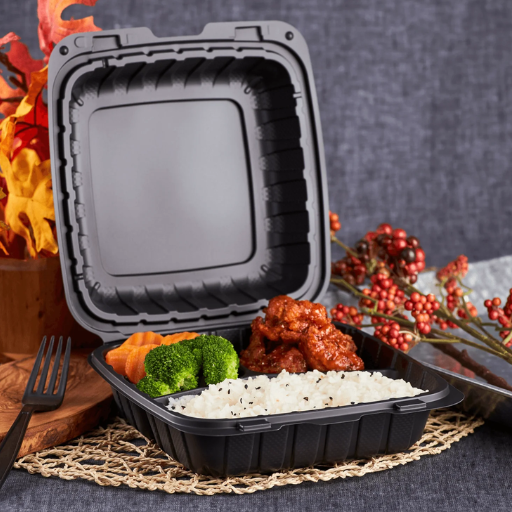
For various reasons, many people who use these are favored because of their cheapness, shipBound, and practicality. The material used is lightweight, typically polypropylene or polystyrene, and is easy to carry. There are cups used for hygienic purposes may be available. Such cups are also in high demand in there use in take outs, in quasi catering functions and in quick-service foods provision which requires easy cleaning because time factor comes in here tasked It has shown a harsh reality regarding the rise in the disposable products generation. This has led to the exploration of other processes which focus more on recycling, reuse or disposal of materials, which the use of technology has contributed to. Others have focused on developing more sustainable materials as an alternative to non-biodegradable materials, such as plastics.
Stainless Steel Sauce Cups: Durable and Reusable
In a vast sea of options available to you, reusable stainless steel sauce cups sound like a reasonable choice – especially if you are sensitive to the problem of long-range, limited environmental footprints. Every other solution seems like a relatively modest fit to the meal and might be applied improperly due to imprecise handling.
A stainless steel drinking cup is one of the consumer items that have proved to be useful yet it cannot be recycled.
One of the reasons steel sauce bowls are on the rise is that they are visually appealing for both casual and official dining settings. These stainless steel sauce cups are available in several sizes and serve as an ideal container for various condiments. On the steel sauce bowl scale, there are black and other strong dyes that are also used nowadays, and the only steel sauce bowls are used without metal microbeads. As people are more and more aware of the environmental issues, this sort of reuse of products attracts both the public and the foodservice industry in almost every corner of the world.
Eco-Friendly Paper Sauce Cups
Sustainability is a key factor in the design of this product; other materials and non-compostable materials, such as plastic, will not be an option for consumer-friendly products in the near future. Paper sauce cups can be regarded as eco-friendly due to the high level of environmental consideration incorporated into their design processes. These cups are mainly biodegradable and therefore when one uses one, they do not destroy the environment, the disposable unit that they are does not stick to one the user turns wisely. Paper sauce cups is a type of serving paper boxes most used in restaurants, especially those that have limited spaces, food trucks, and also catering services. The Breadth of the use of the paper sauce-cup is also spread to these other applications involving the serving of food, carnivorous and don’t enjoy the vibe and weight of the sauce-cup’s eco friendliness. The new eco-friendly and easy-to-handle single-portion sauce cup represents another option for them. You hear more because the container is portable and available in different sizes.
Choosing the Right Sauce Cup Size
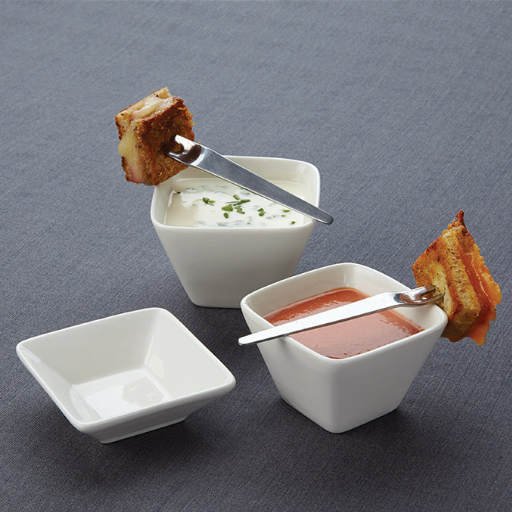
The right size cup should match both the variety of sauces and their amount. If it is about ketchup, mustard or any other similar items, 1-2 ounce cups will do better as the portion wouldn’t require anything more than that one time. If the sauce happens to be of another variety like dressings, dips, and the portions served are way larger than usual, 3-4 ounce cups are most preferred to accommodate enough space and prevent spillages. It is also advisable to choose a cup that fits the amount being served, thereby avoiding wastage and providing convenience for the user.
Type of Sauce or Condiment
Sauce cups typically range from 0.75 oz to 5.5 oz, with 2 oz being the most common size.
| Parameter | Details |
|---|---|
| Small Size | 0.75 oz |
| Medium Size | 1-2 oz |
| Large Size | 3.25-5.5 oz |
| Material | Plastic, Steel |
| Usage | Dips, Sauces |
| Eco-Friendly | Limited |
Portion Control Needs
Portioning to include portion control and preventing food wastage, ensuring that customers’ needs are met, is of utmost importance, especially in catering premises. According to recent developments in Google search data, there is an increase in concern for sustainability among food consumers, which supersedes the quantity of food served. By providing containers customized to meet the unique needs of each person, rather than just throwing material, this in turn enables businesses to manage waste reduction while meeting customers’ expectations. For instance, consider serving small pastry cups for condiments that cater to diet-conscious people and those who value eco-responsive cuisines
Event or Setting Considerations
Incorporating fresh data harvested from Google’s search engine, it is clear that, to optimize the satisfaction of attendees, the providers of events, as well as commercial industries, should modify their practices to suit the new age preferences of wasting and complaining users. Take a wedding, for example. By providing certain specialized services such as the use of biodegradable cutlery as well as packing single meals for the guests, one can rest assured that it is well within the expectations of the current shift in society. This shift in the functional needs of society, as well as sustainability ideals, is accompanied by tools such as search trends, which help organizers identify the most anticipated scenarios and then tailor the venue to accommodate a certain level of convenience, environmental, and aesthetic considerations.
Reference Sources
- University of Rochester Medical Center
- Title: Visualize Your Portion Size
- URL: urmc.rochester.edu
- Relevance: Provides detailed information on portion sizes, including sauce cup measurements.
- Leading Sauce Cup Manufacturers in China
Frequently Asked Questions (FAQs)
How Many Ounces Does a Sauce Cup Hold?
Typically, a regular sauce cup is just the right size to hold 2 fluid ounces. 2 ounces is also around the usual content volume of most dipping sauces, including BBQ, tartar, and salsa. This is essential since pregnant women who serve different numbers of people or different meals may ‘wear’ other servings of the staff. Moreover, it is essential to identify how many ounces of a sauce cup are required for serving condiments with different food portions, such as appetizers or main meals.
What Are the Various Sizes of Paper Soufflé Condiment Cups?
From one to seven, the thickness increases, denoting the least to the maximum thickness. Their last serving of cupcake is uniquely decorated with a teaspoon piece in a hard formation. Other cupcake with the image or simple decoration of a cupcake but in a mini size, where there is a real cup and cake design on the cupcake. Insert picture of wondrous cup cake, where beacon and piped sponge topping coexist with circular mini cakes even on the cake and icing of other chocolate concentrate coated cup cake. Also, this cake is whit, lies in a single piece, and can be divided into cute slices. And last but not least, the finest piece so far, where the lower disc is absent and the cat has to climb the pen holder by sitting in a stylish posture, hence adding a new product to the workshop.
Are Sauce Cups Meant for Use and Disposal or Reuse and Refilling?
The majority of the sauce cups are manufactured using plastics as it is considered more convenient and lasting, as they are perfect for taking away foods, oftentimes needed when there are events out of the hotel setting. Others are made of such straws, which are often made of ceramic or porcelain, and are suitable for decorative purposes in most fancy restaurants.
What Are the Uses of Ramekins in Serving Sauces?
Ramekins are versatile serving dishes that can be used for sauces, dips, or even desserts. They come in various materials, including ceramic and metal, and are perfect for portioning out items like queso or dipping sauces in a menu. Their shape and size make them ideal for individual servings.
How are Cooking Measuring Gear, Items, Pots, and Sauce Cups Different?
Some culinary measuring tools are intended for professional kitchens and are not practical in homes, while others are designed for home kitchens. However, in the kitchen a measuring cup is almost like a small sauce cup that can be used specifically and more effectively for matters of portion control. For instance, dips and appetizers.
What Are Sauce Portions Cups for?
In cases where large quantities of condiments are needed due to their use in restaurants or events, the best place is usually bulk sauce cups. Buying in bulk condiment cups is more cost-effective, thus ensuring that BBQ sauce, salsa, and other condiments do not run out. Relax, the products can be bought in bulk from different restaurant supply stores that are able to inject wholesale supply options.
Can Sauce Cups Have Lids?
Yes, it is very common for sauce cups to be supplied with the necessary lids that are easy for storage and transportation. They are especially effective for takeout orders where lids help preserve the contents of the sauce and protect against drips.
What Is the Ideal Sauce Cup for Dipping Sauces?
The best sauce cup for dipping sauces fits conveniently in the hand, holding 2 ounces of sauce within it. It is the size that is greatly needed when other sauces or dips, such as soy sauce, barbecue sauce, and salsa, come into play. This is so that the guests are able to consume their starters such as chips, French fries, or cooked fish without constraint, and therefore they do not feel as though there is any wastage of the food.
How Do You Choose the Right Condiment Cups for Your Restaurant?
When selecting condiment cups for a restaurant, several key features should be considered, including material, size, and design. Ceramic ramekins and decorative metal containers can provide an enhanced experience, while plastic may be more practical in a fast-casual restaurant setting. Check your menu as well as the sauces offered for these options to determine which would be the best choice.