What Are Paper Cups Made Of?
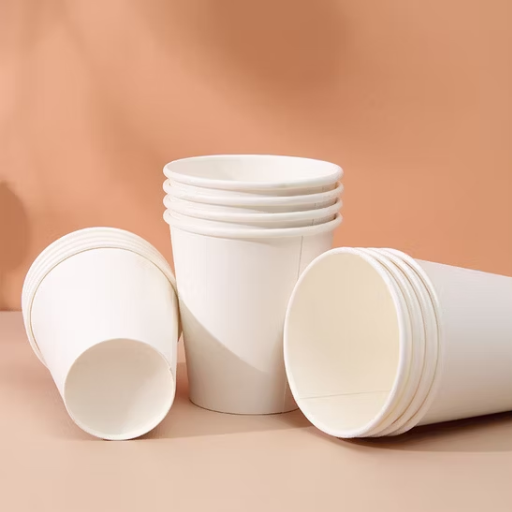
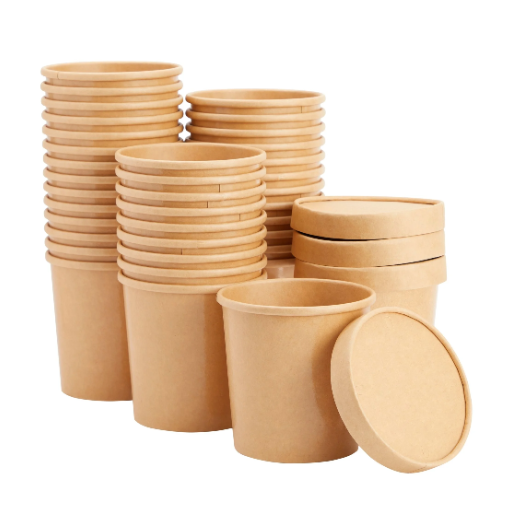
Typically, paper cups are a combination of disparate materials, including paper pulp and thin layers of plastic. Needless to say, paper forms the cup, whereas either a polyethylene or polypropylene outer layer, which is generally used, prevents the liquid from leaking. For some of the paper cups, there are environmental solutions like biodegradable and polylactic acid coatings for dry food containers, which save the cups from being recoated with plastic. Despite the intended purpose of these cups, there are recycling and solid waste management problems associated with their composition.
Materials Used in Manufacturing
Paper cups come in many shapes and sizes, but the primary difference in terms of environmental impact is the type of coating they have. Most commonly used polyethylene plastic insides, particularly those made to a larger extent, have made the cups non-recyclable due to a lack of paper separation from plastic treatment facilities themselves. However, even with biodegradable plant-based or other constituent coatings, it is necessary to have relatively harsh industrial composting conditions to break them down. And the origination of the paper itself requires one primary material, which is the cutting down of trees, and improper disposal of it could result in deforestation. This general outlook on the facts is necessary to change the nature of disposing of products, particularly disposable cups, to those that are far less environmentally harmful.
Purpose of Materials in Design
Materials become that vehicle through which design can translate into performance, limitation, and application in the real world, including environmental impact. Designers have to possess a balance between practicality and ecological concerns, a topic whose relevance has grown due to the awareness regarding climate change. Thin wastes are regarded as a loss versus the use of reusable, recyclable, or biodegradable materials, aligning with the circular economy perspective. On another environmental layer, the environment precludes materials from casting their dictionary into the world, aesthetics, and cost, and also into performance. Hence, the materials are truly worth discussing when examining any design process.
Environmental Considerations in Materials
As is always the case, choice of material cannot be regarded as a secondary solution face with such challenges. The report published by the Ellen MacArthur Foundation considers the likelihood that particularly in the areas of construction, textiles and plastics, a shift towards a circular economic model of materials will bring about a 45% reduction in the levels of gases causing the greenhouse effect.
It is unimaginable that in a world where it may be 100 years before petroleum-based plastics will perish soil, therefore additive and enhanced efforts to conservation should be sought in such materials.
In general, consumption of energy continues to be a paramount factor even after the materials are produced. For instance, recycling aluminum requires about 5% less energy compared to producing new aluminum from bauxite, so recycling attempts to prevent further release of emissions.
Fast-growing materials that absorb more carbon are being used increasingly in construction and manufacturing industries. Bamboo absorbs 12 metric tons of CO2 per hectare per annum, according to a 2023 study, making this one very carbon-friendly option.
Life Cycle Assessments are also used by companies and designers to quantify the environmental impact of materials chosen, from extraction to end-of-life. For example, geopolymer cement is being promoted globally by the cement industry as a low-carbon alternative that can cut emissions by 80% compared to standard Portland cement.
The mere choice of such materials implies that sustainability cannot be an option, but must instead be incorporated to reduce environmental impacts and to advocate the sustainable economic mode.
Health Concerns Associated with Paper Cups
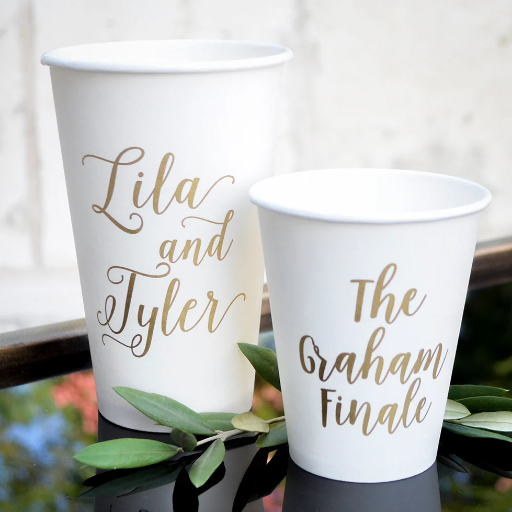
Since paper cups are often deemed more healthful and eco-friendly than plastic, the sanitation problem arises. Paper coating with plastic, such as polyethylene, is used for waterproofing. Exposed to hot liquids, the plastic lining from paper cups starts releasing chemicals that may be harmful, e.g., microplastics or toxins, into the drink. Trace amounts of chemicals, such as per- and polyfluoroalkyl substances (PFAS), may thus be present in these paper cups, which are said to pose health risks upon prolonged ingestion. Hence, a safer and more environmentally friendly alternative must be sought.
Microplastics and Chemical Leaching
Looking at the different groups of people bedridden patients usually score the highest,”…… It is therefore important to cater for the needs of each user in every way. Medium firmness is usually the best in facilitating good comfort and adequate support of the body because it maintains a natural S-curve of the spine. High pillows should be avoided because the neck needs to be adequately supported as a paramount measure. Ultra-soft or too hard mattresses also affect the curvature of the spine of the patient. A device that can assist patients in turning over or maintaining their position should be provided if necessary. All these measures increase the chances for people who cannot walk on their own to be able to sit and/or walk around if they wish to. However, what has hindered many from returning is that some medical supplies were left at the hospital, which would have assisted in their surgical procedures.
Chemical Coatings and Their Effects
Chemical coatings in paper cups, such as plastic or wax linings, break down into microplastics and toxins, and leach into the drink when heated.
| Key Point | Details |
|---|---|
| Coating Type | Plastic, Wax |
| Purpose | Waterproofing |
| Risk Factor | Heat exposure |
| Health Risk | Microplastics, Toxins |
| Leaching | Chemicals seep into beverages |
| Study Proof | IIT study, other research |
| Alternatives | Reusable cups, Biodegradable options |
| Impact | Environmental pollution, Indirect health effects |
Environmental Toxins and Human Health
Environmental toxins are substances that cause a particular human life to cease due to an adverse reaction resulting from exposure to air, water, soil, or food. These have been the agents harboring diverse kinds of health hazards: heavy metals such as lead, mercury, pesticides, and persistent organic pollutants. Look at them: respiratory diseases, neurological diseases, developmental delays, and various chronic diseases. Indeed, these toxins loom more heavily over a senior population, or a population of children, or those whose health condition is already compromised or challenged. Advancing research continually emphasizes the issues that require regulation and public awareness to prevent exposure and promote well-being.
Are Paper Cups Safer Than Plastic Cups?
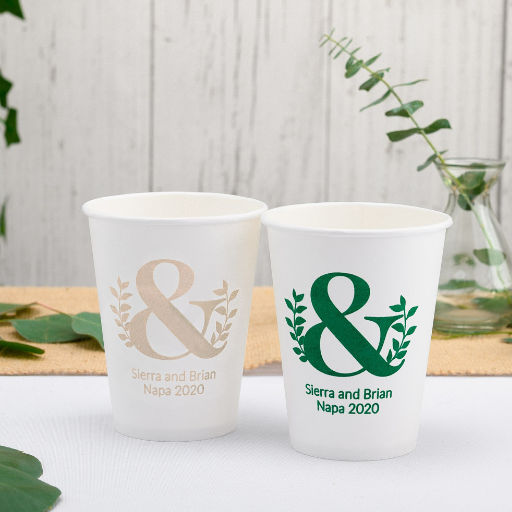
While most plastic products are viewed as unsafe, paper cups have a pretty different aura. Paper cups have usually been cross-laminated or lined with a thin layer of polyethylene or a similar material to prevent leakage, which can occur when chemicals leach from the material when subjected to heat or when left in contact with the liquid for extended periods. The significant environmental impacts of manufacturing and disposing of paper cups are also well-documented. The differences are that plastic cups sometimes secrete potentially poisonous substances in particular conditions, yet they tend to be more sturdy and reusable. The answer is that they all pose some risk to health and the environment. Safer and more ecological choices lie in reusable options, such as glass and stainless steel.
Comparative Health Risks of Paper vs Plastic
Each cup presents health hazards; the paper varieties are typified by plugging microplastics and toxins into their contents with heat, and the plastic ones are considered capable of leaching harmful chemicals, like BPA and phthalates.
| Key Point | Paper Cups | Plastic Cups |
|---|---|---|
| Material | Paper with plastic/wax lining | Plastic (e.g., PET, polystyrene) |
| Coating Risk | Microplastics, Toxins | BPA, Phthalates |
| Heat Risk | Leaching increases with heat | Chemical release with heat |
| Eco Impact | Pollution, Indirect health effects | Non-biodegradable, Long-term toxins |
| Safety | Safer if properly manufactured | Risky with prolonged use |
| Alternatives | Reusable, Biodegradable options | BPA-free, Reusable plastic |
Research Insights on Safety
Recent studies on safety issues related to paper and plastic cups suggest subtle implications. Paper cups typically undergo lining by applying a thin coat of polyethylene or any other plastic to avoid leakage; however, some critics cite that there is always the risk of microplastic leaching into the drink at a cherry high-water mark temperature, thus questioning the mundane long-term health considerations with frequent uses. Plastic cups, in contrast, may leach harmful chemicals into the liquid, especially when they are polystyrene ones and more so when they are heated to a glass-warm temperature. Styrene and exposure to styrene may well lead to oncogenic effects on humans.
Based on the most recent and fresh information gathered, it would be right to go that safety while using these dangerous materials is relative. It fails to graph the relevant social factors, particularly the demographic distribution within a given region. The safety of these materials highly depends on the nature of the material, how it is handled, and the frequency of its use, among other factors. An even better and ideal purchase for safety enthusiasts would be the acquisition of a single-use alternative that comes in the form of a glass or stainless steel container.
Consumer Perceptions of Safety
Safety perception and consumer considerations greatly depend upon access to information that translates into knowledge of new data on material usage. Hence, every user is actively investigating the risk factors posed by everyday materials, such as plastics, primarily focusing on their impact on food storage and the environment, according to the latest trending research on Google. Concerns about the safety of plastic hot food containers and alternatives to plastics are among the most common questions on Google. This indicates the surge in awareness and prioritization of health and sustainability. Meanwhile, the latest data reveal that consumers are shifting away from plastics toward safer options, such as glass and stainless steel, for reuse. Hence, the meaning of this shift further demonstrates the role that information plays in shaping public conduct and preferences concerning material safety.
Environmental Impact and Its Indirect Health Effects
Both man-made substances, such as plastics, when released into the environment, pose other health issues to humans. These plastics are ingested in their raw form up and break down to ‘‘HALO’’ substances which pollute the atmosphere of aquatic animals and destabilize our food and liquid supply systems. As a result, health damage from the intake of such particles may cause both endocrine and inflammatory processes. In the Case of Plastic Product Manufacture and use, as well as their Disposal in Incinerators, the Hazard may cause respiratory problems due to the inhalation of emitted Chemicals. Consequently, incorporating eco-friendly practices and adopting a zero-waste policy in waste management is necessary to minimize the harmful effects on the environment and human health.
Pollution from Disposable Cups
Disposable cups make a significant contribution to environmental pollution, despite their convenience. Recent data reveal that billions of disposable cups are discarded each year, with the majority ending up in landfills or as litter. The disturbing fact here is that most disposable hot beverage cups are lined with some kind of plastic to help waterproof. The aid of a few special plants is necessary to process these materials in separation, thereby rendering the plastic-lined cups barely recyclable. Additionally, a substantial amount of natural resources, including water and trees, is consumed to manufacture disposable cups, resulting in the release of greenhouse gases into the atmosphere. Reusable cups act as the primary countermeasure to the pollution created by disposable cups, with recycling programs following in parallel.
Contamination and Its Effects on Health
Human health will be the most severe consequence of the devastation of nature, and will be the primary cause to fight against the same. It’s no secret that respiratory illnesses, blood diseases, as well as cancer, which is one of the lot, are related to the poisons present in the air, water, or ground like a carrot. Clean water sources can be contaminated and contain high levels of harmful chemicals and gases, such as lead, which can be fatal to individuals with prolonged exposure. Pollution of the atmosphere, on the other hand, such as industrial and motor emissions, brings health effects such as asthma and chronic obstructive pulmonary disease, and activities for limiting air pollution. Putting up such challenges remained an insignificant proportion of humanity, so more than such opposition to reality, it was a challenge to overcome the dangers.
Long-term Consequences of Pollution
Long-term environmental pollution and contamination have other, more distant effects beyond immediate damage to health that are rather sudden in impacting animal and plant life. Deforestation, soil erosion, and contamination of internal waterways are some factors that endanger biodiversity and disrupt natural habitat, thus irreversibly affecting ecosystems. Then also, pace of climatic change is made faster by an abnormally high rate of GHG emission, so disastrous natural calamities like floods, droughts, and wildfires become more common and severe. Recent data analysis shows that these changes in the environment present a threat to wildlife and economic concerns with agriculture, landscape navigation, and the livelihood of humans. Therefore, we must mitigate these effects as soon as possible to create a livable world for generations to come.
Frequently Asked Questions (FAQs)
Reference Sources
Publication Date: February 1, 2021
Journal: IOP Conference Series: Materials Science and Engineering, Volume 1055
• The study emphasizes the potential of edible cookie cups as a healthy and cost-effective alternative to traditional cups, including paper cups, for hot beverages like tea and coffee.
• These edible cups can be made from sugarless biscuits, making them suitable for diabetics.
• The architecture and manufacturing process of a tea-drinking vessel can influence the perception of the tea’s taste and scent.
• The adoption of edible cups could help reduce the use of paper cups in various settings such as hostels, clinics, and businesses.
Publication Year: 2019
Journal: Pakistan Journal of Agricultural Sciences
• Fruit juices, whether in glass bottles, plastic bottles, paper cups, plastic cups, or unpacked, are susceptible to contamination by microflora, particularly mould and yeast.
• This contamination can pose a significant health hazard to consumers.
• The study found that fungal (mould and yeast) counts in many juice samples exceeded standard tolerable ranges (10² to 10³ cfu/ml).
• Specific fungal species identified included Aspergillus niger, Aspergillus terreus, Penicillium digitatum, Curvularia americanna, Fusarium moniliforme, Alternaria alternate, and Saccharomyces cerevisae.
Publication Date: April 26, 2023
Journal: Journal of Hazardous Materials, Volume 454
• This research identified, for the first time, the release of microplastics (MPs) from commonly used materials like polythene bags and paper cups when exposed to both hot and cold water over different time intervals.
• The released microplastics were found to have a detrimental impact on bovine liver catalase (BLC), a major antioxidant enzyme.
• The binding of MPs to BLC caused conformational changes, leading to a reduction in its enzymatic activity and approximately a 1.4-fold compromise in its catalytic efficiency.
• The study suggests that materials such as glass, porcelain, stainless steel, and high-grade plastics are “greener alternatives” to polythene bags and paper cups.