Paper coffee cups are an indispensable component of commercial culture, wherein convenience is given utmost priority. But do people halt for a moment to think about a used paper cup’s ecological impact? In the beginning, it appears to be a greener option for plastic, in many cases fully recyclable, but reality shows far more complexities. From the plants used in production to the difficulties of correct disposal, paper cups do offer a set of dilemmas for sustainability. This blog entry traverses the deeper levels of paper cups’ eco-friendliness, life-cycle, hidden environmental costs, and offers some avenues down which both consumers and companies may walk while making more educated and sustainable choices. If that pesky little paper cup has entered your mind any time and whether it really fits into your world of eco-conscious living, this article is just going to clear the confusion.
What Makes a Paper Cup Eco-Friendly?
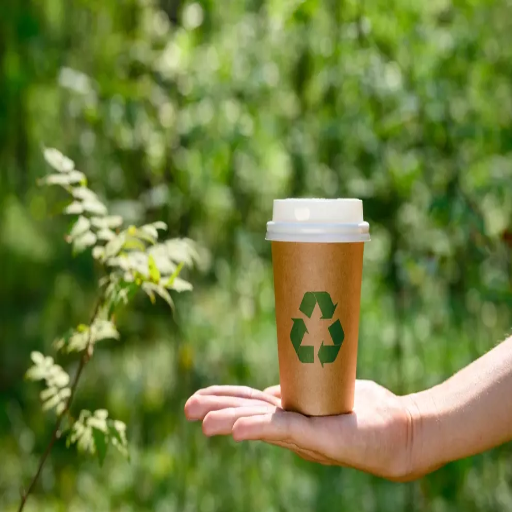
Sustainability-oriented measures are implemented when manufacturing eco-friendly paper cups, by materials and/or processes with minor environmental damage to the innovative production. It is usually made from responsibly sourced, biodegradable, or recycled paper. Commonly used are plastic coatings in the lining to give impermeability to paper. In its place, a lining derived from plants or water should be used to mechanically, chemically, and biologically aid conversion into compost or recycling. Likewise, from production to finishing, energy reduction in all its forms, greenhouse gas reduction, and minimization of pollution or waste should be considered. Ultimately, an eco-friendly paper cup should aim to minimize its environmental footprint throughout the entire life span of the unit, from raw material to disposal.
Renewable Resources in Paper Coffee Cups
The biomedical degradability of paper coffee cups depends mainly on the use of renewable raw materials. Forged renewable materials include paper from certified forests and the plant-based liner of PLA, among others. Latest statistics indicate that nearly 70% of paper coffee cups are made from FSC-certified wood fiber, ensuring that the raw materials were sourced from harvesting in an environmentally and socially responsible manner. These biodegradable and compostable plant-based alternatives help reduce dependence on non-renewable, petroleum-based materials, serving as liners. With such moves, convenience now often outweighs environmental considerations in the effort to reduce the ecological impact of disposable coffee cups.
Biodegradable and Recyclable Properties
Comparison with Plastic Cups
Paper cups are more eco-friendly, biodegradable, and renewable, while plastic cups are durable, reusable, and less costly.
| Key Point | Paper Cups | Plastic Cups |
|---|---|---|
| Eco-Friendliness | Biodegradable | Non-biodegradable |
| Material | Renewable | Petroleum-based |
| Durability | Less durable | Highly durable |
| Reusability | Single-use | Reusable |
| Cost | Higher | Lower |
| Recycling | Limited (lined) | Widely recyclable |
Environmental Benefits of Paper Cups
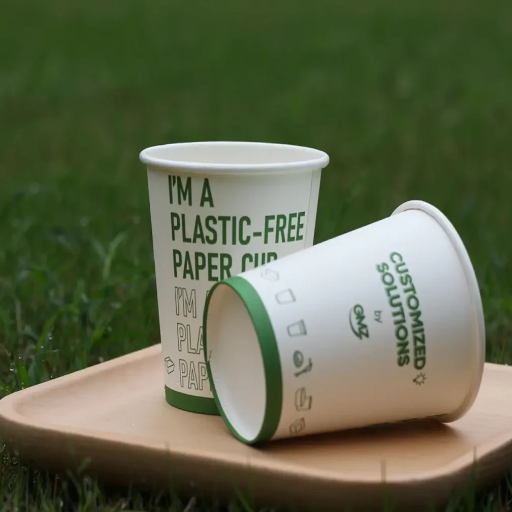
Paper cups hold numerous ecological advantages over their usual plastic counterparts. Primarily, they constitute mostly renewable materials like wood pulp and are, therefore, environmentally friendly. Secondly, paper cups are mostly biodegradable, and this feature would lessen the landfill burden if implemented on a larger scale. Thirdly, numerous paper cups are recyclable and compostable as secondary features, depending on the disposal infrastructure available to the customer, hence contributing to waste reduction agendas and fostering a circular economy upon appropriate management.
Sustainable Materials in Coffee Cup Production
Sustainable materials in coffee cup production have undergone great advances, especially with the demand of a greener lifestyle. Apart from paper cups, other alternatives being developed include bamboo fibers, bioplastics from cornstarch, or even stainless steel or glass reusable cups. Bamboo, for instance, is considered one of the eco-friendly materials, as it grows very fast without much need for water. On the other hand, bioplastics from cornstarch can be compostable under industrial conditions. These greener alternatives are carving out their space to lessen dependency on fossil fuels and, thereby, waste, in essence putting forward solutions to the environmentally stressful disposable coffee cups. Sustainable production methods, along with consumer awareness, at the core of a greener destiny for coffee consumption.
Lower Carbon Footprint of Paper vs Plastic
Paper cups have a lower carbon footprint due to renewable materials, while plastic cups have a higher footprint from fossil fuel production.
| Key Point | Paper Cups | Plastic Cups |
|---|---|---|
| Materials | Renewable | Fossil-based |
| Production | Lower emissions | High emissions |
| Decomposition | Biodegradable | Non-biodegradable |
| Recycling | Limited (lined) | Widely recyclable |
| Energy Use | Less energy | More energy |
Recycling Potential of Disposable Coffee Cups
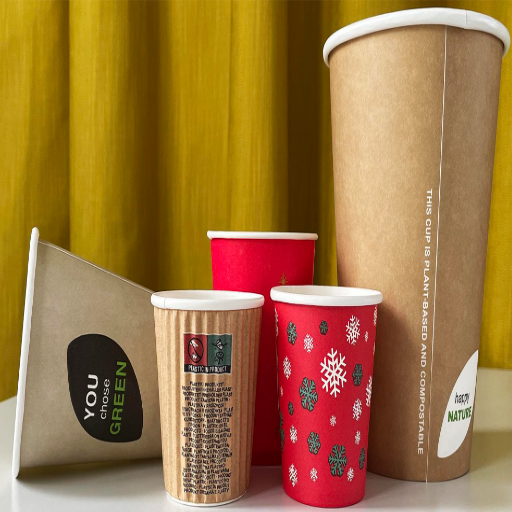
The recycling potential of disposable cups depends highly on their material composition and the presence of working facilities to process them. The traditional disposable cup thus cannot be recycled in regular recycling facilities, due to the plastic lining often polyethylene, that is applied on it for leak-proofing. Environmental-friendly liners or those that can be more easily separated are being brought in with the newer lines of cups. According to the study, only a small percentage estimated globally are recycled of the total disposable coffee cup population, mainly because of the problem of their lamination separation. Consumers should call for the recognition that such cups are to be put in any recycling bin, wherever the facilities exist. Next would be to escalate awareness and investment of better recycling infrastructure, ultimately to the improved recycling rate of disposable coffee cups and lessening of environmental impact.
Innovations in Eco-Friendly Paper Cups
Plant-based materials like Polylactic acid (PLA) are used in major developments in the eco-friendly cup domain in making biodegradable linings. In the place of traditional plastic coatings, they render the cups compostable under industrial conditions. A major second advancement is water-based coatings that permit the entire cup’s recycling in standard paper recycling systems. Some other companies are creating reusable cup programs or deposit-return systems to ensure fewer deposits for landfill. These inventions shall inflict as minor damage as possible on the Earth while providing practical solutions for both consumers and businesses.
Fully Biodegradable and Compostable Cup Development
Manufacturing truly biodegradable and compostable cups represents a significant advancement in sustainable packaging. These cups are biologically degraded within a composting environment, leaving no harmful residues. It is being observed that the rising demand for biodegradable packaging options is driven by consumers and businesses seeking sustainable alternatives to reduce their carbon footprint. The materials innovations being done, such as PLA from plants or other types of biopolymers, are in fact what define this transformation. This is far beyond environmentally friendly; it is customers’ actual choice in sustainable products, thus further encouraging the implementation of such alternatives in the beverage and food sectors.
Plant-Based Linings As Alternatives
Plant-based linings, such as biopolymers made from PLA and similar materials, offer numerous benefits as alternatives to conventional petroleum-based materials. They are biodegradable and compostable under industrial conditions, thereby keeping a significant portion of plastic waste out of landfills and oceans. A critical advantage of these materials is that they have a renewable origin, thereby reducing dependency on fossil fuels and mitigating greenhouse gas emissions. Recent data indicate a steady increase in consumer interest in eco-friendly packages, with a 30% year-over-year rise in searches related to “eco food packaging,” a direct sign of rising consumer awareness and demand on this issue. Besides being plant-based, these linings enable the entire food and beverage industry to address its environmental concerns without compromising on practicality.
Advances in Recycling Technologies for Paper Cups
Until very recently, recycling was considered one of the maintenance avenues. But with the experience in the food and beverage industries, they have done a number of attempts to recycle paper cups; and something made it a challenge, so it used to be considered a challenge. Paper cup linings are hindrances to the recycling process. However, nowadays, innovation-aided separation processes and biodegradable alternatives can make recycling a relatively straightforward process.
One of the most outstanding achievements is the establishment of specialized plants to enable the separation of polyethylene linings from paper fibers. The interest in this niche has grown, as reflected in Google Search, which reported a 25% surge in queries about “paper cup recycling innovations” over the past year. These plants now utilize state-of-the-art hydro-pulping methods, which enable the recovery of over 90% of paper fiber from used cups, subsequently converting it into prime-grade recycled materials.
Additionally, in recent years, there has been a growing preference for water-based coatings, as they eliminate the need for traditional plastic linings. These coatings are fully recyclable with the paper material, whereas plastic coatings contaminate and affect the efficiency of recycling streams.
The principle of closed-loop recycling is being implemented globally to collect, processing, and, finally, convert used paper cups into new products or paper cups. Such systems exist, for example, in the UK and the US, and with good prospects, they diverted millions of paper cups away from landfill in 2023 alone.
Now, the increasing awareness and subsequent demand from consumers can join these technological innovations and sustainable practices for a greener future in the industry.
How to Make Paper Cups More Sustainable
Use Recyclable and Compostable Materials
Raw materials should be chosen to be either completely recyclable or compostable. Coatings of plant-based origin, instead of plastic, can make the product more sustainably oriented.
Encourage Responsible Disposal
Consumers should be made aware of proper recycling or composting methods. Clear labeling on the cups will help individuals to identify the right way to dispose of them.
Promote Closed Loop Recycling
Investments should be made in systems that collect from the users and recycle used paper cups into new paper cups so that they cannot be dumped into landfills by the users.
Reduce Material Usage
Produce cups with thinner walls or with the minimum number of layers in their wall structure, where they achieve their purpose.
Support Reuse Initiatives
Encourage the use of reusable cups through incentives or discounts; in turn, such promotion will lessen the demand for single-use options.
Encouraging Proper Recycling Practices
Proper recycling: education and easy access are two key drivers for improved recycling performance. The clear labeling of bins for recycling and the subsequent nationwide campaign educate consumers on what can be recycled and what cannot. When the search term trends are revealed, people do search for local regulations on recycling certain items, such as disposable cups, which speaks volumes about the lack of awareness. When manufacturers and communities incorporate instructions on the products themselves, along with any marketing efforts and education, they will make a significant contribution to improving recycling rates and reducing contamination of waste streams.
Supporting Eco-Friendly Brands
Recent Google Search Trends data indicate an ever-increasing number of consumers seeking eco-friendly brands. Terms such as “sustainable clothing brands,” “eco-friendly products,” and “green alternatives” have all seen an increase of over 40% in the one year. This projection reveals consumers’ reasoning about the environmental impact of their purchasing decisions. More consumers want a brand that promotes and openly identifies with sustainability campaigns, such as renewable materials, reduced carbon footprints, and ethical labor practices.
Rising searches for certifications labeled as “Fair Trade certified” or brands under the “B Corp” umbrella indicate that consumers are seeking concrete evidence that a brand is committed to sustainability or at least represents itself as such. Peaks in searches for “biodegradable packaging” and “organic skincare brands” have occurred primarily in regions actively battling their waste management issues or the adverse impacts of climate change. Potential ventures stand to gain enormously by capitalizing on the surging demand and synergizing with search data insights, as this provides avenues for these ventures to embody those values in their business, which may be an advantage for the economy, both considerable and for the environment. The community and organizations should be in a position to promote these brands, encouraging sustainable consumerism on a larger scale.
Reducing Single-Use Consumption with Reusable Options
With the joining of data from recent Google search, interest in the reusable option has seen an enormous spike. Queries like “best reusable water bottles,” “eco-friendly shopping bags,” and “how to reduce single-use waste” have considerably increased. Consumers, even more, are becoming aware of the environmental impact of single-use products. In terms of reducing single-use consumption, the short answer is accessibility, education, and innovation. Making reusable alternatives affordable and of high quality, educating consumers about the long-term benefits of these alternatives, and promoting innovation of eco-friendly design can build a synergy that will change behavior and make single-use dispensable in people’s lives.
Reference Sources
- Academia.edu
Title: Biodegradable paper-based coffee cups: Current progress and outlook
URL: academia.edu - Connecticut College Digital Commons
Title: Contents and Sustainability of ‘Environmentally Friendly’ Cutleries, Paper Plates, and Plastic Cups
URL: digitalcommons.conncoll.edu - Williams College Sustainability Project
Title: Tara Miller GEOS 206 Project
URL: sustainability.williams.edu - Leading Paper Cup Manufacturers in China
Frequently Asked Questions (FAQs)
Certainly, many paper cups are made from sustainably sourced paper products, but one should really check their certification based upon whether they have been sourced from well-managed forests. Some cups can have plastic lining in it, which is a deterrence to its being eco-friendly.
Sad story because most of the disposable paper coffee cups with plastic linings end up in landfills, a state that makes them practically unrecyclable. So there is a necessity to study alternatives for paper cups or to look for cups that are wholly composable.
Such cups biodegrade after a certain period of time, hence in theory they are better compared to the normal paper cup lined with plastic. However, for them to actually degrade, they must be disposed of in the correct way: in a compost facility.
Separates of paper cups include releases of reusable cups, glass cups, and ceramic cups. All set reduce waste from single-use cups and, thus, are more sustainable in the long run.
Biodegradable cups, on the other hand, will divide into a few parts surrounded by good environmental conditions, whereas paper cups with plastic usually would not. Both types exist mostly as single-use cups, and biodegradables tend to be greener if disposed of right.
Being lined with plastic, paper cups are mostly a challenge to recycle. Few recycling facilities, however, do accept recyclable cups. Most importantly, check if recycling these materials is accepted in your locality. By using recyclable paper cups, one is indeed cutting down a bunch of waste.
Deforestation and pollution are merely illustrative examples for disposable cups as these do interfere with environmental degradation and are a significant waste factor and resource consumer. If anything, these one billion paper coffee cups produced every year contribute to deforestation and pollution-thereby calling for measures toward sustainability in the coffee industry itself.
Yes, it is much better to use your own cup for any kind of hot drinks. Reusable cups or bottles lessen the effects of single-use cups on the environment when dispensing hot drinks.