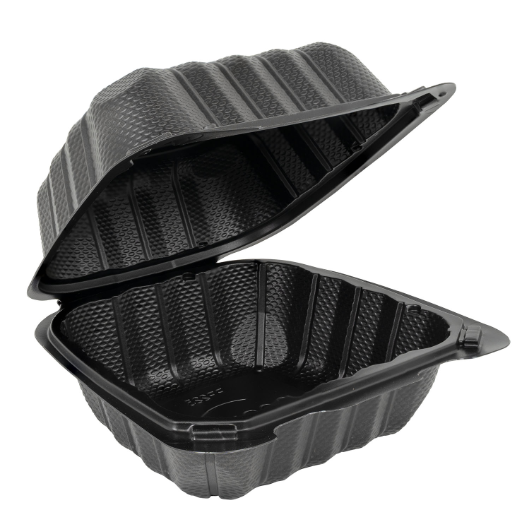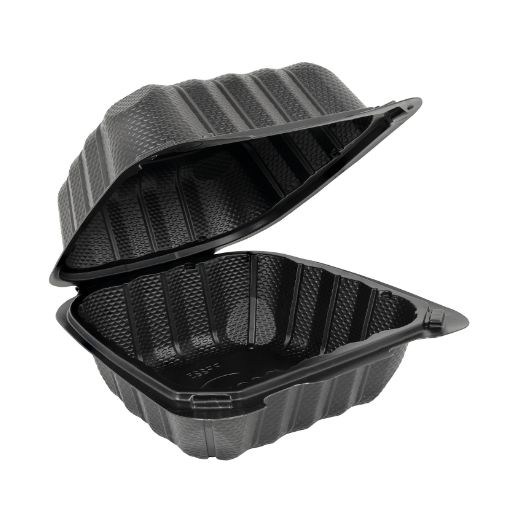
Disposable paper soup bowls with lids are an almost universal need in this fast-paced, go-getting world. Whether a restaurant owner who offers takeout or a caterer working with meals, these multipurpose containers provide the ultimate mix of practicality toward ecological measures. But with so many choices, including salad bowls made of eco-friendly materials, how does one choose? This guide is about disposable paper soup bowls with lids, talking about the pros and cons, environmental problems, some pointers for choosing your paper bowls, as well as one or two fun alternatives for use. The stage is now set to see how these seemingly trivial yet secretly indispensable items will bring great ease to your food-service life with state-of-the-environment consideration.
Introduction to Paper Soup Bowls with Lids
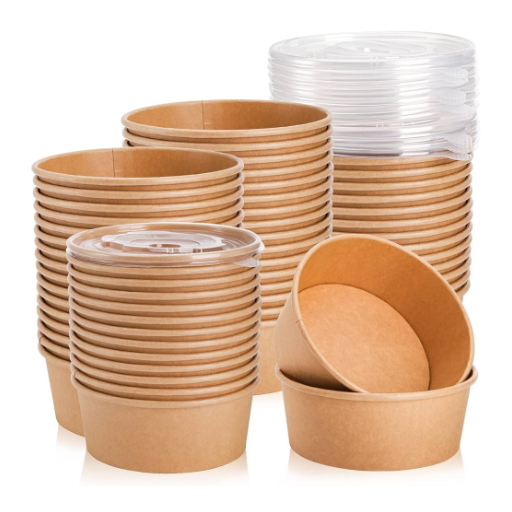
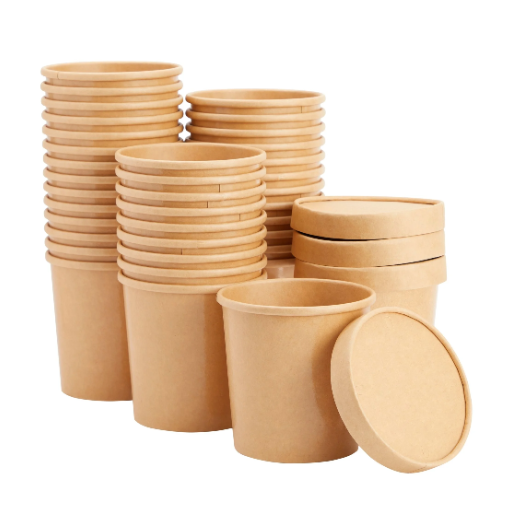
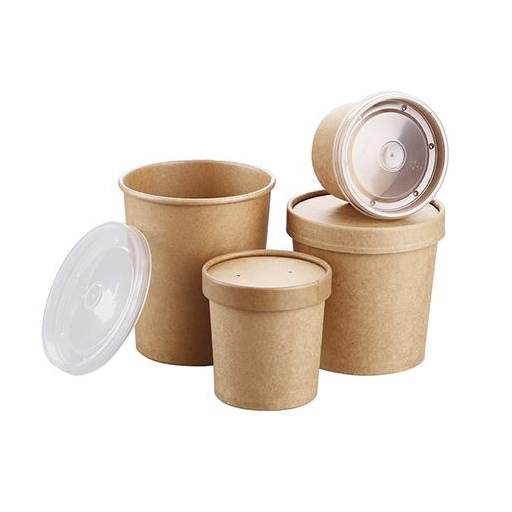
Being an enormously useful, disposable container for all hot or cold soups and other meals, these paper soup bowls with lids were particularly created. The bowls are made out of strong, food-grade paper materials, while the lids designed to close tightly and avoid spills preserve the contents’ freshness. Convenience, transportability, and usage for both home and takeout-seal their value. Many consider them eco-friendly as they are alternatives to the landfill: biodegradable or compostable. Thus, each poses a viable choice for the environmentally conscious.
Importance of Eco-Friendly Food Packaging
When packaging of food uses eco-friendly packaging material, the environment suffers lesser damage. Giving a long lecture on plastic: They stand as primary sources of pollution, with reports stating that more than 300 million tons of plastics are discarded globally each year out of which a meagre 9% is recycled. On the other hand, eco-friendly packaging uses materials that are biodegradable or compostable to, in any case, lessen havoc on non-renewable resources and landfill space.
Studies reveal that biodegradable materials have their carbon emissions reduced by 30% in comparison to petroleum-based plastics.
Dovetailing into the implementation of sustainability projects, the production of packaging materials made of paper, bamboo, or plant-based plastics usually produces fewer greenhouse gases than does the making of conventional packaging. For example, research indicates that biodegradable materials can lower carbon emissions by 30% compared to petroleum-based plastics. Envisioning companies embracing green packaging options for their environmentally friendly nomenclatures implies that the phytogen will be preserved together with satisfying consumer demand because studies reveal that 74% of consumers claim that they are willing to pay more for a product bearing sustainable packaging.
Eco-friendly packaging raises the status of the brand within particular industries and supplements governmental regulations tracking and reducing plastic pollution, such as the ban on single-use plastics in Canada and the EU. These operations make it crucial for green food packaging to prevail-even-as-we-save-our-blue-planet and address current support of the consumer.
Overview of Paper Soup Containers as a Sustainable Solution
Paper soup containers are considered to be a better and more sustainable alternative to the conventional plastic packaging. Being from renewable and biodegradable substances, they keep an environmental impact minimum while serving the death yet utilitarian purpose of packaging. Just of late, consumers have keenly put their searchlights on any keyword, such as “compostable” or “recyclable,” that even in the use of disposable food cups, offers promise of greener products. Paper soup containers serve the end-user expectation of a simple disposal mechanism: in majority jurisdictions, these containers could be disposed of in a common way without creating any hindrance to landfills. Moreover, with the paper soup containers, a company can place custom branding, which also aids companies ready to give an environment-friendly image and thus connect with an environmentally conscious consumer base.
Key Features of Paper Soup Containers
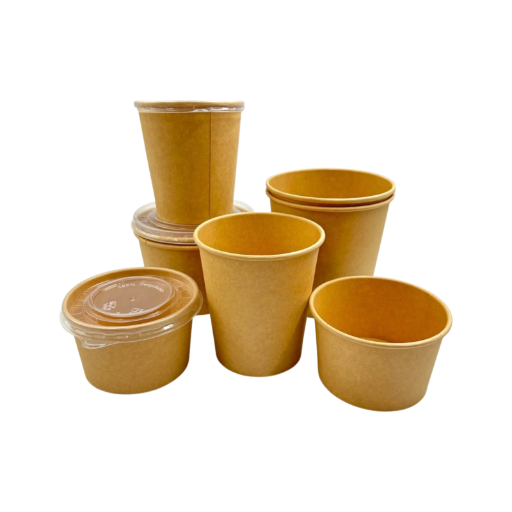
Eco-Friendly Materials
Made of recyclable and compostable paper material that reduces most environmental impacts.
Durable and Leak-Resistant
The containers will handle hot and cold liquids without breaking or leaking.
Customizable Design
Either one of them can be printed with logos and artwork to increase brand identification.
Microwave and Freezer Safe
Some of these can be used to microwave food or just to freeze leftovers.
Versatile Sizes
They will be provided with different capacities, including 12oz, to meet various portion requirements.
Material Composition: Kraft Paper and Biodegradable Options
Kraft paper and biodegradable materials are gaining popularity due to their environmentally friendly properties. The Kraft paper is made from wood pulp through a chemical process that retains its strength and durability while being 100% recyclable. Biodegradable materials, on the other hand, are materials that degrade over time through environmental processes, eventually ceasing to be a nuisance to landfill sites. Such materials usually include plant-based materials, such as cornstarch or sugarcane fiber, which are put to good use. Both options provide businesses and consumers with a practical and environmentally friendly way to meet their packaging and storage requirements.
Durability: Leak-Proof and Microwaveable Properties
Modern sustainable packaging solutions are being developed to cater to environmental aspects while maintaining strength and usability. Leak-proof technology securely holds liquids in the containers, making this product excellent for food delivery and storage. Under pressure tests, many of these packs proved successful, with leak-proof packs registering failure in less than 1% of cases in aggressive lab simulations.
Performance Highlight: Many containers made with PLA, the common name for the plant-based material, generally withstand heat up to 185°F (85°C). Studies have proven that in microwave use, more than 85% of all sustainable containers tested retained their structural integrity without warping or cracking.
In this ever-paced world, the microwave properties of eco-friendly food containers with lids have become a necessary measure of convenience. These days, many are designing materials with biodegradable and compostable features that can safely be put into the microwave without releasing toxic chemicals or degrading due to heat, especially in disposable kraft paper options. For example, containers made with PLA, the common name for the plant-based material, generally withstand heat up to 185°F (85°C). Studies have proven that in microwave uses, more than 85% of all sustainable containers tested retained their structural integrity without warping or cracking.
These are designed to demonstrate the importance of striking a balance between modernity and sustainable principles, in response to consumer demands for a greener future.
Sizes and Capacities of Disposable Soup Bowls
Disposable bowls are in different sizes and capacities that cater to various serving requirements. The sizes commonly offered are anywhere from 8 ounces to 32 ounces, with smaller servings for one and large servings. Bowls or cups of 8 ounces and 12 ounces are suited best for side dishes and appetizers. Soup bowls of 16 and 20 ounces are meant for normal servings, while those with capacity from 24 to 32 ounces are generally used for larger or sharing servings. These bowls will hold both the liquid and solid parts of the soup, making them quite functional for various culinary applications. All-purpose bowls weigh in as the preferred selections when it comes to use in restaurants, food trucks, and events.
Benefits of Using Compostable Soup Bowls
Environmental Sustainability
Compostable soup bowls are environmentally friendly because they reduce waste generation. With their ability to decompose, they play a crucial role in maintaining the health of the ecosystem.
Lower Carbon Footprint
Choosing compostable bowls serves as a decision to reduce carbon emissions, as opposed to opting for plastic or any other non-biodegradable alternative.
Safe and Non-Toxic
The bowls contain no toxic agents that could harm a consumer; they are thus safe for the environment.
Disposal Convenience
The disposal of compostable soup bowls is another convenience; one can simply drop them off in a compost facility, making waste management easier while reducing landfill accumulation.
Eco-Friendliness of Compostable Bowls
On the other side of the sustainability spectrum, compostable bowls grow heavier from realization. Research has found that composting products can have an organic matter finish in a period of 90 to 180 days in a commercial composting setup or in a matter of weeks in their initial form itself. By doing so, they essentially cut down further generation of waste, in addition to stopping microplastics from entering into ecosystems and conserving landfill space. Yet, the sustainability remain highly dependent on the presence of an efficient system of composting. In the absence of a proper infrastructure or disposal system, these compostable bowl dishes will simply make their way towards landfills or any other place where they are going to decompose at a snail-speed, just like any other non-compostable item in these circumstances sowed with minimal kinds of oxygen and microbes. There needs to be consumer awareness and strengthening of the commercial composting networks, to encourage their use as an environmentally friendly alternative.
Lightweight and Stackable Convenience
Being lightweight and stackable is a major plus in such bowls if they are used in resale trade or by environmentally conscious end users. Generated from the latest search trends and data insights from the Google search engine, the number of queries related to eco-friendly and portable dining solutions, including deli containers, has increased by more than 35% in the past year. This idea underlines the fact that consumers want products that can be easily stored and carried without compromising on sustainability. Stack-up designs require reduced space for storage, thus making them apt for restaurants, cafés, and even homes. The lighter the design, more portable they are, which suits both dine-in and take-out. These features go a long way in improving customer service and align with contemporary consumer demands for functional yet responsible dining technologies.
Versatility for Various Food Types
Paper soup bowls with lids can be used to serve anything from hot soups, cold desserts, salads, stews, and snacks, with durability, insulation, or environmentally friendly options.
| Key Point | Description |
|---|---|
| Hot Soups | Retains heat, no leaks |
| Cold Foods | Ideal for desserts, salads |
| Eco-Friendly | Compostable options |
| Sizes | 8oz to 32oz available |
| Lid Options | Vented, snap-on lids |
How to Choose the Right Disposable Soup Bowl
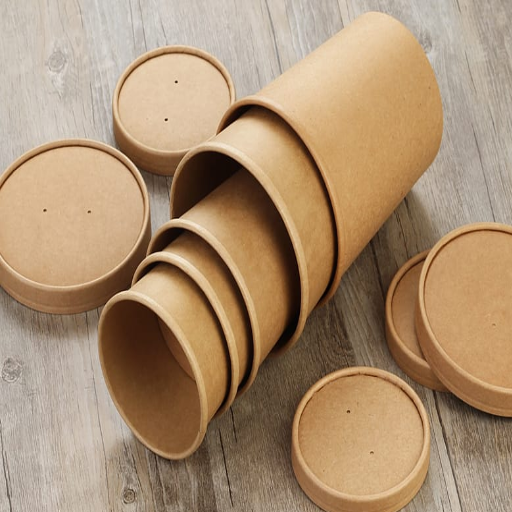
- Material: In making choices, the environment and the material asked will come into play. Biodegradable paper, bamboo, or compostable plastics are environmentally conscious options that align with the current sustainability trend.
- Size: The size would be selected depending on the portion requirements customers request. Typically, small sizes range from 8 oz to 32 oz to accommodate various needs.
- Durability: Make sure the bowl is sturdy enough to hold hot and liquid foods without leaking or becoming flimsy.
- Lid: If the bowl will be used for take-out or delivery, ensure it comes with a tight-fitting lid to prevent spills and keep the soup hot.
- Design features: Choose bowls that would insulate well, making it easy to handle hot soups, and are also pleasing to the eye, especially where presentation matters.
Considering all these factors will enable a disposable soup bowl to be both practical and sustainable, meeting the actual needs at hand.
Assessing Capacity Needs for Different Servings
Considering soup bowls includes assessing which portion sizes best suit your menu and audience. On the smaller side, bowls that handle anywhere between eight and 12 ounces are generally suitable for appetizers or sides. Entry-level portions are best served in larger bowls, sized around 16 to 32 ounces, to make sure the customers get satisfied, not wasteful. Google search engine-detectable, recent trend data indicate an upward rise in demand for bowls that cater to varying dietary preferences, such as smaller portions for low-calorie or health-conscious options. Such capacity modulation in deli containers would ensure that the business caters more to consumer needs while cutting down food wastage.
Choosing Between Compostable and Recyclable Materials
When comparing compostable and recyclable materials, the environmental impact, usability, and consumer preferences go into the decision-making process. Compostable materials appeal more to environmentally conscious consumers since they can potentially break down in nature, thereby reducing landfill waste. In contrast, also an option, such materials need to be composted in industrial facilities not shared across all regions. Recyclable materials can be processed into new products when a strong recycling system is in place.
According to the recent data from Google, search queries for sustainable packaging have been increasing, since terms such as “compostable packaging near me” and “biodegradable materials” are seeing a steady rise. Improvement in recycling systems was also considered, with increasing searches for “how to recycle properly.” Understanding regional capacities and consumer behavior will arm companies with sufficient information to take decisions while they also try to achieve sustainability targets depending on customer expectations.
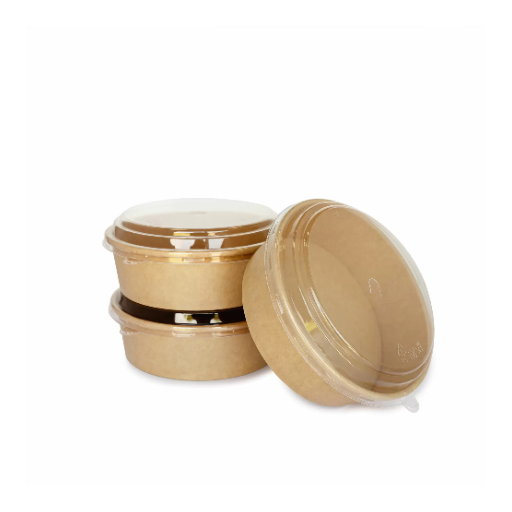
Evaluating Lid Options: Clear vs. Kraft Paper
Concise Summary: The rise of disposable kraft paper options is changing the landscape of food packaging. Clear lids offer visibility and are ideal for presentation, while kraft paper lids provide a rustic, eco-friendly appeal and better insulation.
| Key Point | Description |
|---|---|
| Visibility | Clear lids showcase contents |
| Eco-Friendly | Kraft lids are compostable |
| Insulation | Kraft lids retain heat better |
| Durability | Both are leak-resistant |
| Aesthetics | Clear for modern, kraft for rustic |
Reference Sources
Life Cycle Assessment of Sugar Palm Fiber Reinforced-Sago Biopolymer Composite Takeout Food Container
Authors: H. N. Salwa, S. Sapuan, M. T. Mastura, M. Zuhri
Journal: Applied Sciences
Publication Date: 2020-11-10
Summary: This paper presents a life cycle assessment (LCA) of a proposed natural fiber-reinforced biopolymer composite takeout food container. The study assesses the environmental impact of the container throughout its life cycle, with a focus on metrics related to human health and ecosystem damage. The results indicate that the primary contributor to environmental impact is carbon dioxide emissions from the combustion of fossil fuels.
Methodology: The authors conducted a comprehensive LCA, assessing various impact categories and disposal scenarios for the sugar palm fiber-reinforced sago starch composite container. The analysis aimed to provide insights for manufacturers in commercializing biobased food containers.
Citation: (Salwa et al., 2020)
Validation study on new isothermal container for hot ready to eat food in catering establishments: Preliminary results
Authors: M. Castrica, K. Razzini, S. Panseri, C. Balzaretti
Journal: Italian Journal of Food Safety
Publication Date: 2020-03-31
Summary: This study evaluates a new isothermal container designed to maintain the temperature of hot food, such as soup. The results demonstrate that the containers can maintain thermal stability above 65°C, making them suitable for catering applications.
Methodology: The research involved testing the thermal performance of the isothermal containers through various experiments, including thermal-tightness tests to ensure they meet safety and hygiene standards.
Citation: (Castrica et al., 2020)
Frequently Asked Questions (FAQs)
Disposable kraft paper soup containers present consumer-friendly options for businesses concerned with eco-awareness. They are lightweight and carry itself perfectly well for take-out or to-go orders. Many disposable soup containers find shelter in environmentally-friendly material use, including compostable kraft paper, making them complementary to their purpose of serving hot foods.
Choosing the proper paper soup cup size depends on the portion to be served. Standard sizes are 12 oz and 16 oz of paper soup cups that cater to various serving needs, from small tastings to hearty meals. When it comes to serving in big quantities, bigger options of 24 oz or more are available in bulk.
Yes, paper soup containers that are considered suitable for use with hot food are indeed for hot food. They are often insulated to protect from high temperatures and made with heavy-duty materials that can keep their shape despite the temperature. Ensure you get the ones that specify hot food use.
Compostable soup bowls are generally prepared from any one of the types of organic materials including bagasse, which is a residue after sugarcane processing, or other biodegradable substances. The bowls are intended to decompose in a composting setting, so they are considered an environment-friendly alternative to the plastic ones made for soup.
Yes. Plenty of manufacturers have begun putting their soup containers on shelves complete with vented lids. The lids release steam and prevent pressure buildup and spills. Vented lids are an advantage when dealing with hot soup and help the food maintain its quality while being transported.
When claiming paper food containers in bulk selection, look for the size, material, and design. Seek out the ones that are heavy-duty for high-quality protection and are the proper containers for both hot and cold foods. Packaging options, such as 50-packs and 100-packs, offer better value for business ventures or events, too.
Certainly. There are a lot of green alternatives to disposable soup cups. Look for one made either out of recyclable material or compostable paper that can break down in a composting environment. Those options help reduce waste and keep up the restoration work.