Market Overview
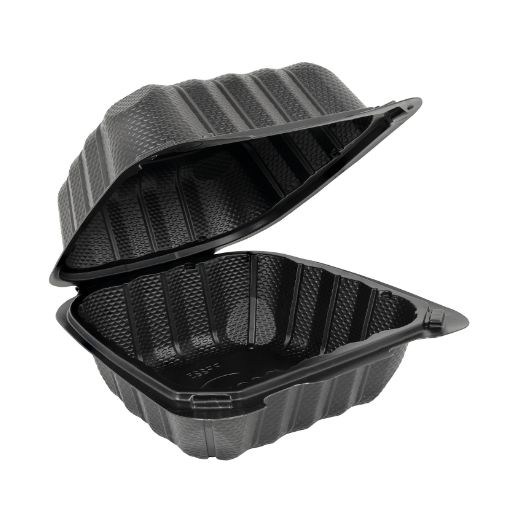
The hinged food container market observes a gradual growth, with the convenience being applicable for the consumer base. Safe, secure, and convenient packaging is hence further emphasized by the demands of ready-to-eat and take-out food for the client. Besides rising awareness about being eco-friendly, manufacturers are expanding their market by converting their containers to be recyclable, biodegradable, and compostable. North America, Europe, and the Asia Pacific are some of the prime markets where urbanization and lifestyle changes are helping foster innovation and adoption, along with the growth of the hinged container market.
Global Market Size and Growth
Market Statistics
$346B
5.5%
The global food packaging market has experienced significant growth in recent years, primarily driven by increasing demand for packaged foods, urbanization, and heightened environmental awareness. The recent statistics indicate that the market will be nearly $346 billion in 2022, with a forecasted CAGR of approximately 5.5% during 2023-2030. A rapid growth trajectory is anticipated with the introduction of new and innovative sustainable packaging solutions, the deep infiltration of e-commerce, and growing global trends toward “grab and consumption.” behaviors. On the other hand, increased government regulations promoting eco-friendly norms are shaping this ever-evolving and rapidly changing landscape of the trade.
Key Applications of Hinged Food Containers
QSRs and Fast Food Chains
QSRs and fast-food chains are adapting to the demands of the container market size by incorporating sustainable packaging solutions. Hinged containers manufactured for the packaging of food items such as burgers, sandwiches, fries, and others are employed by fast food outlets and QSRs. From a much stronger point of view, they must keep the food fresh and prevent spillage.
Takeaway and Delivery Options
Takeaway and Delivery options are expanding in response to the growth of the hinged food container market, driven by its CAGR. With the rapid growth of food delivery services, hinged containers must provide leak-proof and tamper-evident solutions for food transport directly to the customer’s doorstep.
Bakeries and Confectionery
Bakeries use them to pack cakes, pastries, and other desserts. They keep delicate items intact in transit and maintain their aesthetic presentation.
Groceries and Meal Prep Kits
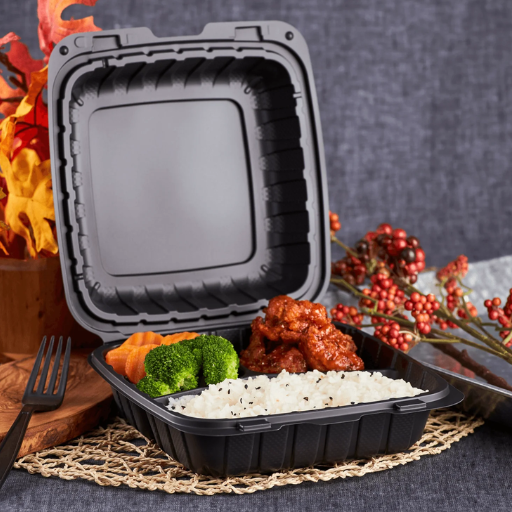
Hinged containers are used to package pre-portioned meal kits and fresh grocery items. Their compartmentalized designs allow for storing various foods so that ingredients remain intact and fresh.
Catering and Events
Hot and cold foods need to be packed conveniently in hinged food containers by caterers and event organizers to meet market demands. Such containers are easy to use and ensure that food remains warm or cold for longer.
Market Trends and Dynamics
The growing demand for sustainable and environmentally friendly packaging solutions is one of the dominant trends shaping the hinged food container market. As consumers become aware of the environmental concerns surrounding the industry, an increasing number of companies are shifting toward biodegradable and recyclable materials for food containers. In recent times, consumers have been on an upward trend of searching for more environmentally friendly alternatives, with terms such as “compostable food containers” and “recyclable meal packaging” gaining popularity. The growth in online food delivery alongside the hausse in ready-to-eat meal kit sales has catalyzed a container design movement focusing on portability, insulation, and durability. This movement, in turn, serves as a testament to the dynamic interplay among consumer demands, regulatory enactments, and market innovations in packaging.
Material Innovations in Hinged Food Containers
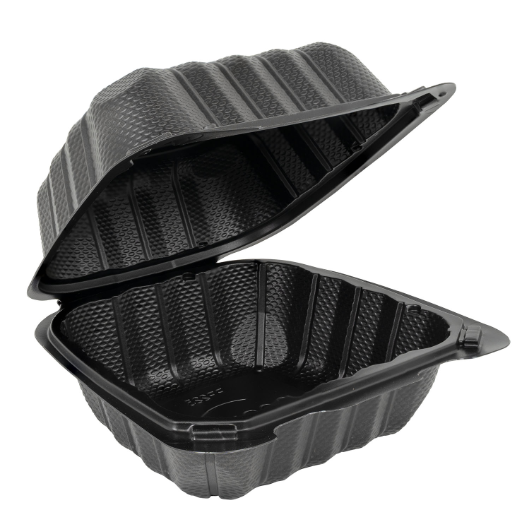
Recent advancements in material sciences have enabled food containers to be more sustainable, functional, and performance-oriented. In summary, they constitute innovations in:
Compostable Materials
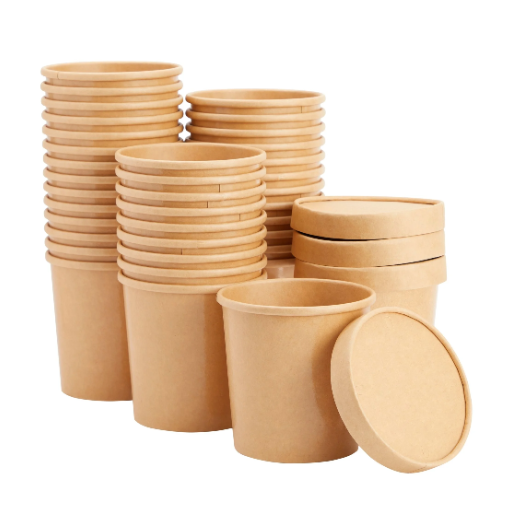
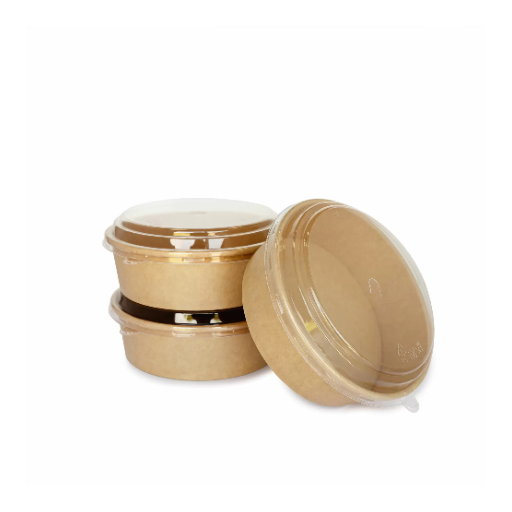
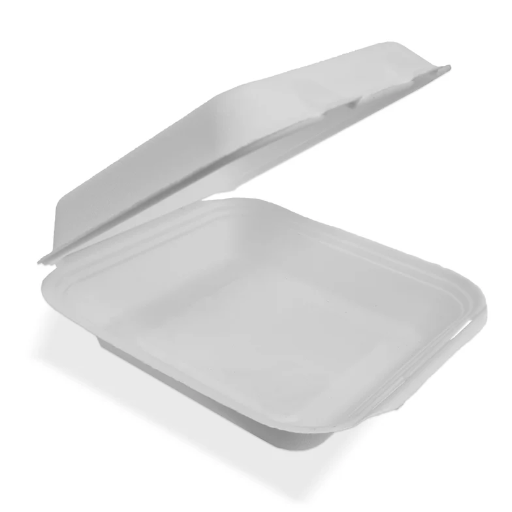
Containers constructed from plant-based materials such as sugarcane fiber or molded pulp provide alternatives to plastics that are biodegradable.
Recycle Plastics
Using PCR plastics is a principal way to reduce environmental waste while enhancing product durability and resisting heat.
Bio-Based Plastics
In lightweight applications, materials such as polylactic acid (PLA) provide an environmentally friendly alternative.
Multi-layer Designs
Through the fusion of different materials, preservation and insulation can be enhanced, making it efficient for both hot and cold items.
In this way, developments strike a balance between the demand for truly green solutions and performance, ease of use, and cater to the preferences of consumers, while also considering environmental factors.
Dominant Materials Used
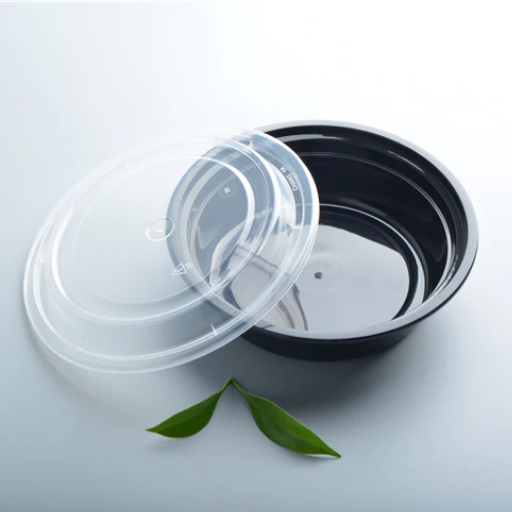
Depending on what is being packed, dominant packaging materials may range from plastics to paper, glass, and metals-CMI. Plastics like PE or PP are, in fact, very commonly used due to their lightweight yet flexible and durable nature. Paper and cardboard, on the other hand, are seen as alternatives when sustainability is emphasized, such as recyclable and biodegradable options. Glass is seen as the material for good packaging, especially when it needs to be reusabl,e since it does not react adversely with the products it contains, making it suitable for the food containers market size. Metals such as aluminum are widely used for cans and foils due to their excellent barrier properties. Thereon come intermediations to combine these materials through multi-layer composites that maximize functionality, while the more environmentally conscious try to make products stay fresh, safe, and appealing.
Sustainability Trends Influencing Material Choices
One significant sustainability trend that offers trade-offs in materials for the same product is the impending ban on single-use plastic in packaging. Customers are willing to pay extra for green stores while governments all over the world are tightening their control of plastic-type materials, and this directly affects the food containers market size. This way, a new crop of biodegradable alternatives, from plant-based plastics to fiber-based molds, comes into play, well on its way to decomposition by nature without causing harm. The circularity concept, in turn, influences material selection in favor of recyclable options and designs with reuse or recycling in mind. These companies, in essence, operate a closed-loop system wherein aluminum, glass, and high-grade plastics can be recycled. If these industries incorporate sustainability trends into their businesses, they will be catering to markets that require a range of food packaging options. Consequently, they are contributing towards the global serving of environmental goals, which, in turn, is vital for the food containers market size.
Regulatory Influences on Material Selection
Material choices are influenced by several legal issues, including rapid bans on single-use plastics, stringent requirements for recyclable or compostable materials, and food safety enforcement with incentives for sustainable packaging.
| Key Point | Details |
|---|---|
| Plastic Ban | Restrictions on single-use plastics. |
| Recyclable | Mandates for recyclable materials. |
| Compostable | Push for compostable alternatives. |
| Food Safety | Compliance with food safety standards. |
| Sustainability | Incentives for eco-friendly packaging. |
| Material Shift | Transition to bio-based materials. |
Design and Functionality of Hinged Containers
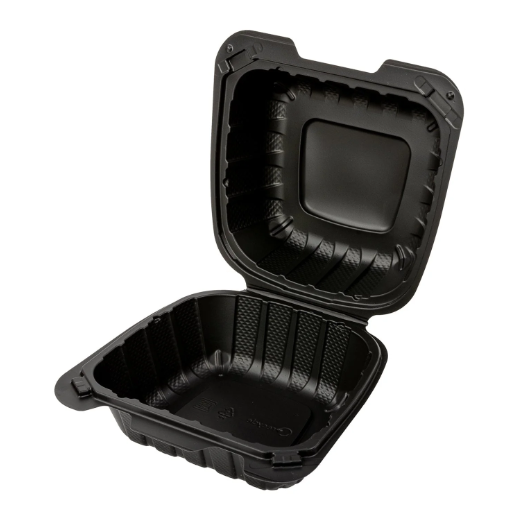
In light of these requirements, the hinged container is designed for the convenience, durability, and safety of its various uses. The lid stays attached to the base by the hinge so that it will never be lost and is very much appreciated by the user for this convenience. Depending on the best combination of strength, suitability, and end use, these containers were made from plastic, metal, or composite materials. They are described as waterproof, keeping bodies with various types of lids, including lids with snap closures, airtight seals, or tamper-evident designs. Taking into account the issue of their application, they are mainly designed for the packaging of food, medical supplies, and certain industrial parts with the size of the container in mind.
Popular Features of Hinged Food Containers
- Hinged food containers almost always come with this type of sealing, and hence, airtight sealing is virtually a given to ensure the fullest possible freshness of the contents. The retention of food flavor, texture, and nutritional value is, however, punishable, depending upon the type of contamination.
- Durable Construction: Containers made of sturdy material, such as BPA-free plastic or biodegradable material, should not develop flaws such as cracking or snapping and, therefore, should provide service to users through a considerable period.
- Leak-Proof Construction: The lids of many containers are designed to be leak-proof to ensure that liquid or oily sauce spills do not create a mess.
- Microwave and Dishwasher Safe: Some hinging lid containers go into the microwave to reheat food and come out of the dishwasher to clean them, thus lending to the ease of everyday usage without compromising the flags of food quality.
- Stackable Design: Food transport preparation and organizational aids may easily save space inside.
Emerging Design Trends
- Sustainable Materials: As consumers have become increasingly inclined to purchase environmentally friendly products, manufacturers are exploring materials that are renewable, biodegradable, and recyclable for hinged food containers. This shift aims to minimize the environmental impact while adhering to current sustainability laws.
- Customizable Aesthetics: Another significant trend in the food containers market is the consumer’s desire for a container that complements their style. From fad color options to one-of-a-kind prints and patterns, design flexibility is attracting attention within an increasingly large market.
- Innovative Features: Technology is now making its way into food container design. Smart tags, temperature indicators, and freshness trackers are currently evolving to enable users to monitor the state of their stored meals more effectively.
- Compact Innovations: Design improvements aim to maximize the functionality of small spaces. Collapsible or more space-efficient containers are gaining popularity, particularly among city dwellers who have limited storage space.
These are the indicative trends of changing demands and technical innovations that are reshaping the design and functions of everyday food storage solutions.
Customization and Branding Opportunities
Customization and branding for food storage solutions are effective ways for companies to establish a unique presence in a competitive market. Below are five opportunities:
- Unique Designs: People are increasingly valuing products that are tailored to their individual preferences and needs. A container custom-colored or designed with a pattern or a monogram creates appeal and ownership.
- Sustainability in Branding: These consumers appreciate brands that talk of sustainability. Using recyclable materials and promoting these features through green labeling are excellent ways to reach this audience.
- Unique Smart Features to Build Brand Identity: From a smart technology perspective, brands identify themselves with their target tech customer base and differentiate by implementing QR codes on the container for freshness and engagement tracking, linking the containers to mobile apps.
- Seasonal and Limited Packaging: Created around seasonal themes or limited editions, these products provoke demand and generate temporary spikes in sales during holidays and events, or those aligned with emerging trends.
- Berners and Licensing: Involving Berners would provide a new perspective and attract certain niche market groups by leveraging their existing fan base to promote brand awareness.
Regional Insights in the Hinged Food Container Market
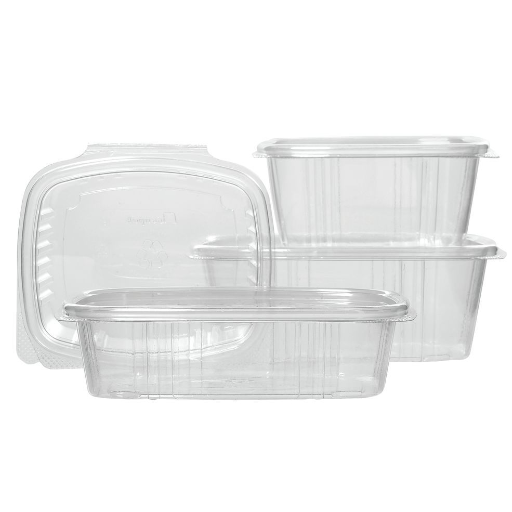
Due to their varying consumer behaviors, rules, and sustainability parameters, the hinged food container markets exhibited regional variations.
- North America: Being the land of convenience and eco-packaging, the market respects end-user demands for these qualities. Strict regulations regarding single-use plastics have shifted the focus to more environmentally friendly materials that are either biodegradable or highly recyclable.
- Europe: Sustainability continues to dominate the lands of reparations on renewable and compostable material containers. The established recycling mechanism supports this trend in the global hinged lid market.
- Asia Pacific: The rapid pace of urbanization and the growth of food delivery services have given rise to demand for affordable and sturdy hinged containers, where plastic still dominates, yet some environmental issues persist.
- Latin America: Economic factors tend to influence consumer behavior, with affordability being the primary consideration. In the upper-income demographic, however, there has been an increased interest in environmentally friendly alternatives.
- Middle East and Africa: The mix characterizes a market where traditional packaging is juxtaposed with contemporary consumer demands, with the food service industry driving the acceptance of hinged containers.
These regional insights suggest adapting market strategies to meet evolving consumer needs and local environmental policies.
North America: Market Leaders
North America continues to dominate the Hinged Container market owing to high demand from consumers and excellent manufacturing capabilities. Some of the key players in the region are focusing on innovation, sustainability, and efficiency. Recent data indicate that consumers today prefer companies that promote eco-friendly materials and designs that can be customized, while guaranteeing recyclable and biodegradable hinged containers. This aligns well with North America’s strict environmental policies, ensuring steady market growth.
Asia-Pacific: Fastest-Growing Region
The rapid growth of cities and rising disposable incomes are driving the hinged container market in the Asia-Pacific. Countries like China, India, and those in Southeast Asia are promoting demand, supported by increased e-commerce activities and a growing inclination toward convenient and eco-friendly packaging solutions. According to a recent Google search trend recording, a shift has occurred during this period, and consumers are now seeking environmentally friendly packaging options, indicating an increased awareness of environmental conservation. Besides, incentives provided for green manufacturing and various measures to decrease the use of plastics further fast-track the adoption of the latest and biodegradable hinged containers. Thus, the Asia-Pacific is undergoing rapid developments in this market.
Reference Sources
- “A Cost-Effective Smart E-Bin System for Garbage Management Using Convolutional Neural Network” (A et al., 2021, pp. 1–6): This 2021 study, while focused on smart waste bins, indirectly relates to the market for containers. The development of innovative lid mechanisms suggests technological advancements that could influence the design and market appeal of hinged food containers. The methodology involved developing and testing an innovative bin system using a convolutional neural network for waste classification. The key finding was a high accuracy rate in waste classification.
- “Evaluation of safety criteria for the total amount of volatiles in foam food containers in Ho Chi Minh City” (Thị et al., 2022): This 2022 study analyzes volatile compounds in foam food containers, which could be relevant to the safety and regulatory aspects of hinged food containers made from similar materials. The methodology involved collecting samples from various markets and analyzing them using GC-MS. The key finding was that all samples were within safety limits for volatile compounds.
- “Multifunctional Smart Conducting Polymers–Silver Nanocomposites-Modified Biocellulose Fibers for Innovative Food Packaging Applications” (Guerraf et al., 2022, pp. 4540–4553): This 2022 study explores innovative food packaging materials with antimicrobial and other properties. While not specifically about hinged containers, it highlights the ongoing research into new materials and functionalities that could impact the hinged food container market. The methodology involved synthesizing and testing nanocomposites for their properties as sensors for volatile organic compounds, antibacterial agents, and antioxidants. The key finding was that the nanocomposites showed promise for enhancing food packaging protection.
- Leading Hinged Container Manufacturer in China